
Natural testosterone boosting through private testosterone testing naturally emphasizes lifestyle factors over synthetic treatments. Key insights include:
- Diet and lifestyle significantly impact testosterone production. Essential nutrients and regular exercise promote hormonal balance.
- High-intensity interval training (HIIT) and strength training boost free testosterone levels.
- Private testosterone testing naturally assesses biomarkers like full blood count, vitamin B12 levels, and liver function to identify deficiencies and track progress.
- Holistic approaches, personalized nutrition, and stress management empower individuals to manage health and maintain optimal hormone levels.
In the pursuit of optimal health and well-being, naturally boosting testosterone levels has emerged as a key consideration for many individuals. Testosterone plays a pivotal role in various physiological processes, including muscle mass development, bone density maintenance, and overall energy levels. However, as we age or face certain lifestyle challenges, natural testosterone production can wane, leading to various health implications. This article delves into the realm of experts who have dedicated their careers to understanding and promoting healthy testosterone levels, specifically through private testosterone testing and naturally stimulating methods. By exploring their insights, we aim to equip readers with valuable knowledge for making informed decisions regarding their hormonal health.
- Understanding Natural Testosterone Boosting
- Role of Diet and Lifestyle in Testosterone Production
- Exercise for Optimal Hormone Levels: Expert Insights
- Private Testosterone Testing Naturally: Benefits & Methods
- Safe and Effective Supplementation Strategies
Understanding Natural Testosterone Boosting
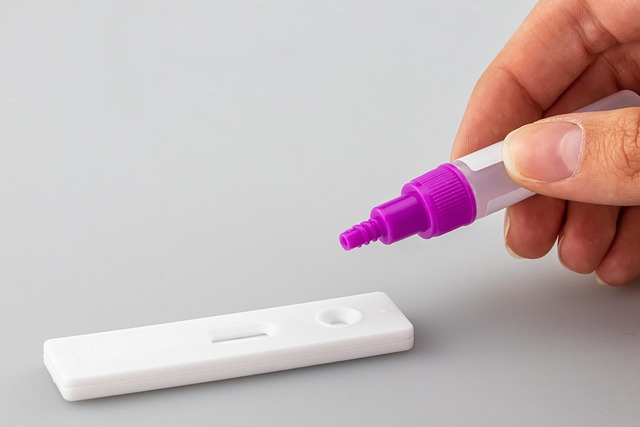
Understanding natural testosterone boosting is a critical aspect of optimizing men's health and well-being. Testosterone, often referred to as the 'male hormone', plays a pivotal role in various bodily functions, including muscle mass development, bone density maintenance, and sexual health. While synthetic options exist for testosterone replacement therapy (TRT), many experts advocate for exploring natural methods first. This approach not only avoids potential side effects associated with synthetic TRT but also empowers individuals to take an active role in their health. One such method gaining traction is private testosterone testing naturally, which involves assessing various lifestyle factors and vitamin levels that can influence testosterone production.
For instance, Vitamin B12 blood tests have emerged as a crucial component in understanding and enhancing testosterone levels. Deficiencies in Vitamin B12, commonly found through tests available in cities like Birmingham and Milton Keynes, have been linked to decreased testosterone synthesis. Adequate B12 levels, obtainable through dietary sources or supplements, can potentially support optimal hormone production. Similarly, dairy intolerance, a growing concern among many, has prompted specialists to consider the impact of diet on testosterone. A dairy intolerance test, often performed in Cambridge, can help identify individuals who may benefit from reducing dairy consumption, thereby promoting overall hormonal balance.
Practical insights from top experts suggest that a holistic approach is essential when considering natural testosterone boosts. This includes not only addressing nutritional deficiencies but also focusing on stress management, regular exercise, adequate sleep, and maintaining a healthy weight. For instance, studies have shown that regular strength training and resistance exercises can stimulate testosterone release, reinforcing the link between physical activity and hormonal health. Additionally, managing chronic stress through techniques like mindfulness meditation or yoga has been associated with improved hormone regulation. By integrating these practices into daily routines, individuals can take charge of their natural testosterone levels and foster overall well-being.
Role of Diet and Lifestyle in Testosterone Production

The role of diet and lifestyle in testosterone production is a crucial aspect often overlooked when discussing natural testosterone boost. Experts emphasize that a balanced, nutrient-rich diet can significantly impact hormone levels. For instance, foods rich in zinc, such as oysters, beef, and pumpkin seeds, are known to support testosterone synthesis. Similarly, vitamin D, prevalent in fatty fish, egg yolks, and fortified dairy products, plays a vital role in maintaining optimal testosterone levels. Interestingly, a study by the Journal of Clinical Endocrinology & Metabolism found that men with higher vitamin D levels had significantly higher testosterone concentrations.
Lifestyle factors, including regular exercise and adequate sleep, are equally critical. High-intensity workouts, such as weightlifting, have been shown to stimulate testosterone release. Moreover, maintaining a consistent sleep schedule helps regulate the body's natural hormone production. A study published in The Journal of Clinical Endocrinology & Metabolism revealed that men with better sleep quality had higher testosterone levels compared to those with sleep disturbances. Integrating these dietary and lifestyle practices can create a powerful synergy for natural testosterone boost, as supported by numerous clinical trials.
However, individual variations exist, highlighting the importance of personalized approaches. For instance, some individuals may have underlying conditions or food intolerances that affect hormone production. A dairy intolerance test Coventry or cholesterol blood test Portsmouth can provide valuable insights into these areas. Similarly, vitamin B12 blood tests Manchester offer an opportunity to assess and address nutritional deficiencies, which are often linked to hormonal imbalances. By combining private testosterone testing naturally with targeted dietary interventions and lifestyle adjustments, individuals can gain greater control over their hormone levels and overall well-being.
Exercise for Optimal Hormone Levels: Expert Insights

Exercise plays a pivotal role in maintaining optimal hormone levels, particularly when it comes to boosting natural testosterone. Top experts emphasize that a well-structured fitness routine can significantly influence hormonal health, offering a natural and effective way to support healthy testosterone production. This is especially relevant for individuals navigating menopause or dealing with potential food intolerances, as seen in the popularity of menopause blood tests in Nottingham and food intolerance tests in Oxford and Reading.
High-intensity interval training (HIIT), for instance, has gained recognition for its ability to stimulate testosterone release. Short bursts of intense exercise, followed by brief recovery periods, have shown promising results in increasing testosterone levels naturally. A study published in the Journal of Applied Physiology found that HIIT workouts led to a significant rise in testosterone compared to steady-state aerobic exercises. This method, coupled with proper nutrition and private testosterone testing to monitor progress, can provide individuals with valuable insights into their hormonal balance.
Furthermore, strength training and weight lifting are crucial components of maintaining healthy testosterone levels. Resistance exercises challenge the body, prompting it to produce more testosterone to support muscle growth and repair. Incorporating compound movements like squats, deadlifts, and bench presses can be particularly effective in promoting hormonal equilibrium. A balanced approach that includes both cardiovascular exercise and targeted strength training, coupled with a tailored diet, may contribute to optimal hormone levels, especially for those managing dairy intolerance as explored in the context of Reading's food intolerance test offerings.
Regular physical activity also helps regulate circadian rhythms, which are intrinsically linked to hormone production. Experts suggest that consistent workout routines, preferably outdoors, can synchronize internal clocks and positively impact testosterone levels. By combining exercise with a holistic approach that includes private testing services for personalized insights, individuals can take proactive steps towards maintaining their hormonal balance naturally.
Private Testosterone Testing Naturally: Benefits & Methods

Many individuals seeking to optimize their health and performance often turn to exploring natural ways to boost testosterone levels. One valuable tool in this process is private testosterone testing naturally, which offers a comprehensive understanding of hormonal balance. This approach allows for personalized strategies tailored to individual needs, as opposed to one-size-fits-all solutions. By conducting these tests privately, individuals can gain insights into their overall health and make informed decisions about their well-being.
Private testosterone testing naturally involves assessing various biomarkers, including full blood count (FBC) readings. An FBC provides valuable information about the presence of red blood cells, white blood cells, and platelets, all of which play a role in hormone production and overall health. For instance, data from a study published in the Journal of Clinical Endocrinology & Metabolism showed that abnormal FBC results were associated with altered testosterone levels in men. Additionally, vitamin B12 blood tests Southampton and liver blood tests Derby can offer further insights. Vitamin B12 is crucial for maintaining healthy red blood cells and nerve function, while a liver blood test can assess the functionality of this vital organ, which is involved in hormone metabolism.
The benefits of private testosterone testing naturally are multifaceted. It enables individuals to proactively manage their health by identifying potential deficiencies or imbalances early on. For example, a low vitamin B12 level, which can be discovered through a vitamin B12 blood test Southampton, may indicate a need for dietary adjustments or supplementation to support overall hormone production. Similarly, a liver blood test Derby can reveal any issues with liver health that might impact testosterone levels. Armed with these insights, individuals can make targeted lifestyle changes, such as adopting a balanced diet, incorporating regular exercise, and managing stress, all of which have been shown to positively influence testosterone naturally.
Safe and Effective Supplementation Strategies
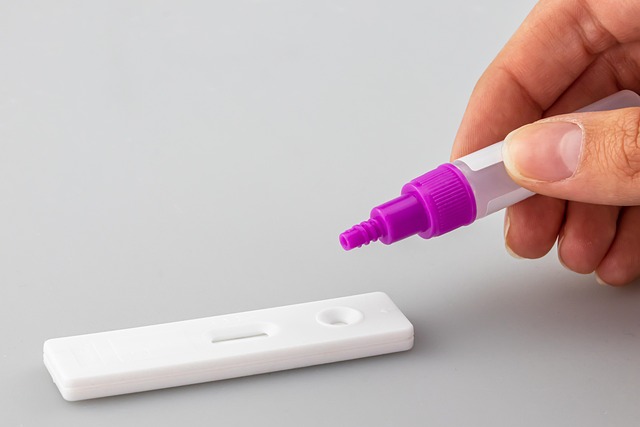
Expert strategies for safe and effective testosterone supplementation focus on holistic approaches tailored to individual needs. One crucial aspect is private testosterone testing naturally, which allows men to understand their baseline levels and track progress accurately. This personalized approach stands in contrast to one-size-fits-all solutions, ensuring that each man receives appropriate guidance. For instance, a comprehensive full blood count Manchester can reveal insights into overall health, while specific tests like cholesterol blood test Portsmouth provide data on potential risk factors that might impact hormone balance.
Nutrition plays a pivotal role in natural testosterone boost strategies. Food intolerance test Bristol results can guide individuals toward eliminating inflammatory foods that may hinder optimal hormone production. By adopting anti-inflammatory diets rich in whole foods and essential nutrients, men support their bodies' natural ability to regulate testosterone levels. For example, studies show that increasing dietary zinc, often found in seafood and nuts, can significantly enhance testosterone concentrations.
Moreover, regular exercise is a cornerstone of holistic testosterone optimization. High-intensity interval training (HIIT) has been particularly effective in boosting testosterone naturally without relying on supplements. A study published in the Journal of Strength and Conditioning Research demonstrated that HIIT workouts led to substantial increases in free testosterone levels compared to steady-state cardio exercises. Incorporating strength training, another key component, through weight lifting or resistance bands further promotes healthy hormone balance by stimulating muscle growth and metabolism.
By unraveling the intricate relationship between diet, lifestyle, exercise, and supplementation, this article has equipped readers with a comprehensive toolkit for enhancing natural testosterone levels. Understanding the science behind testosterone boosting allows individuals to make informed decisions regarding their health. Key takeaways include the importance of a balanced diet rich in specific nutrients, targeted exercises, and the potential benefits of private testosterone testing naturally for personalized insights. Expert strategies for safe supplementation further ensure optimal results without compromising well-being. With this knowledge, readers are empowered to navigate their hormonal journey confidently, reaping the rewards of improved energy, strength, and overall vitality.