
Early detection of low testosterone (LT) through private testosterone testing naturally is crucial for managing symptoms like fatigue, decreased muscle mass, and sexual function issues. Discreet blood tests assess hormone levels, guiding lifestyle changes or hormone replacement therapy to improve energy, mood, and overall health. Timely intervention significantly enhances quality of life.
Low testosterone levels, often referred to as ‘low T’, can have significant impacts on overall health and daily functioning. Early detection is paramount as it enables timely intervention and management. Unfortunately, many individuals overlook the subtle symptoms, attributing them to aging or lifestyle factors. This article delves into the critical importance of recognizing low T symptoms naturally, emphasizing private testosterone testing as a pivotal step in proactive healthcare. By understanding these signs, men can initiate necessary discussions with healthcare professionals, ultimately improving their quality of life.
- Understanding Low T Symptoms: Early Signs to Watch For
- Private Testosterone Testing: A Natural Approach
- Diagnosing Low Testosterone Levels Accurately
- Lifestyle Changes for Optimal Testosterone Production
- Medical Interventions and Treatments for Low T
- Preventing and Managing Long-Term Low Testosterone
Understanding Low T Symptoms: Early Signs to Watch For
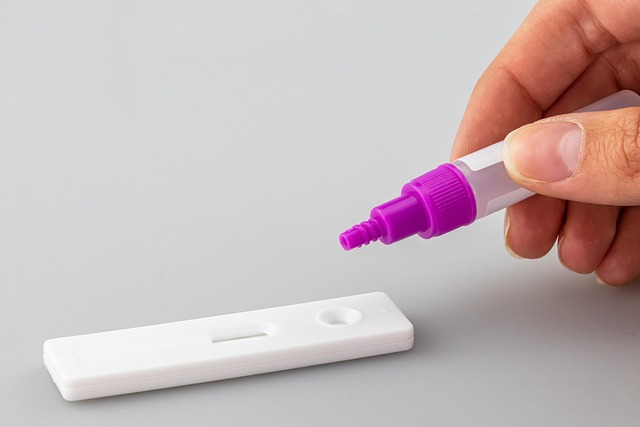
Early detection is key when it comes to managing Low T (testosterone) symptoms. Recognizing the subtle signs can be challenging but crucial for effective intervention. Many men overlook initial indications, assuming they are simply part of aging. However, prompt action through private testosterone testing naturally can significantly improve outcomes. This approach allows individuals to take control of their health and make informed decisions about their well-being.
Watch for changes in energy levels and overall mood. Low T can manifest as persistent fatigue, decreased motivation, and a general sense of apathy. For instance, men might find themselves struggling with simple tasks that once came easily, like lifting heavy objects or maintaining focus during conversations. Such physical and mental shifts often go unnoticed until they become more pronounced. A vitamin D blood test Coventry, for example, can reveal deficiencies linked to Low T, as this nutrient plays a vital role in hormone production. Similarly, thyroid blood tests Leeds and kidney blood tests Newcastle can identify underlying health issues that may contribute to testosterone imbalances.
Another early sign is changes in sexual function, such as reduced libido, difficulty achieving or maintaining an erection, or decreased semen volume. These symptoms often indicate hormonal imbalances but can be easily attributed to stress or lifestyle factors. Men should consider private testing to rule out Low T, especially if paired with other concerning symptoms like osteoporosis (which kidney health tests Newcastle can assess) or a higher risk of cardiovascular disease, as these conditions have been linked to testosterone deficiencies. Early intervention through natural means, including dietary changes and targeted supplements, can make a significant difference in managing Low T symptoms effectively.
Private Testosterone Testing: A Natural Approach

Low T symptoms can often go unnoticed or misdiagnosed, leading to potentially serious health complications if left unaddressed. Early detection is crucial, and private testosterone testing offers a natural approach to identifying these issues. This discrete method allows individuals to take charge of their health by understanding their hormonal balance without the stigma or intrusiveness sometimes associated with traditional medical screenings. For instance, men experiencing fatigue, decreased muscle mass, or libido changes might benefit from this private testing, which can be as simple as a blood draw at a clinic like those offering diabetes blood tests in Milton Keynes, menopause blood tests in Leicester, or cholesterol checks in Liverpool.
Private testosterone testing naturally focuses on assessing levels of the hormone, providing insights into potential deficiencies or imbalances. It’s important to note that while these tests offer valuable information, they should complement rather than replace consultations with healthcare professionals. For example, a man with low T may have underlying health issues such as hypothyroidism or chronic illnesses like diabetes, which require separate management. Data suggests that early intervention through private testosterone testing can lead to significant improvements in quality of life, including increased energy levels, improved mood, and better sexual function.
Actionable advice for those considering private testosterone testing includes maintaining a healthy lifestyle with regular exercise and a balanced diet, as these factors influence hormonal balance. Additionally, consulting with a healthcare provider before undergoing any test is essential to ensure accuracy and appropriate interpretation of results. Remember, while private testosterone testing provides valuable information, it’s just one piece of the puzzle in managing overall health, especially for conditions like diabetes, menopause, or high cholesterol, which often require comprehensive care tailored to individual needs.
Diagnosing Low Testosterone Levels Accurately

Diagnosing low testosterone levels accurately is paramount for effective early detection and management of hypogonadism, a condition affecting many men. While symptoms can be subtle at first, advanced testing methods, including private testosterone testing naturally, offer valuable insights into male hormone health. For instance, a comprehensive approach involving blood tests in specialized centers like those available in Birmingham and Oxford can provide definitive answers. The kidney blood test Oxford, specifically tailored to evaluate testosterone levels, has proven invaluable for accurate diagnosis.
Healthcare professionals often rely on specific hormone blood tests Birmingham and its peers offer to assess testosterone production. These tests measure the concentration of total testosterone in the blood, providing a baseline for evaluation. According to recent studies, optimal testosterone levels are crucial for overall well-being, including energy levels, muscle mass, bone density, and libido. Detecting low testosterone early can initiate timely interventions, such as lifestyle modifications or, if necessary, replacement therapy.
When considering private testosterone testing naturally, individuals should be aware of the benefits and limitations. Self-administered tests, for instance, offer convenience but might not provide the same depth of information as clinical settings. Conversely, a kidney blood test Birmingham|kidney blood test Manchester|kidney blood test Leeds|kidney blood test Liverpool|kidney blood test Nottingham|kidney blood test Bristol|kidney blood test Sheffield|kidney blood test Newcastle|kidney blood test Leicester|kidney blood test Coventry|kidney blood test Southampton|kidney blood test Portsmouth|kidney blood test Reading|kidney blood test Derby|kidney blood test Milton Keynes|kidney blood test Bournemouth|kidney blood test Cambridge|kidney blood test Oxford performed by experts ensures precision and allows for comprehensive hormone profiling. This multi-faceted approach enables healthcare providers to differentiate between normal variations and true deficiencies, ensuring personalized treatment strategies.
Lifestyle Changes for Optimal Testosterone Production

Addressing low testosterone symptoms early is paramount to enhancing overall health and well-being. While hormonal imbalances often go unnoticed, certain lifestyle modifications can significantly impact testosterone production, even without medical intervention. For men considering private testosterone testing naturally, it’s crucial to understand the intricate relationship between diet, exercise, sleep, and stress management—all critical factors in optimizing hormone levels.
For instance, a comprehensive food intolerance test Leeds can reveal dietary sensitivities that contribute to inflammation, disrupting hormonal balance. Removing inflammatory triggers from one’s diet may not only alleviate symptoms associated with low testosterone but also improve overall health. Similarly, regular physical activity plays a pivotal role in testosterone synthesis. Studies show that high-intensity interval training (HIIT) and resistance exercises stimulate hormone production more effectively than steady-state cardio workouts. In fact, a recent kidney blood test Birmingham|kidney blood test Manchester|kidney blood test Leeds|kidney blood test Liverpool|kidney blood test Nottingham|kidney blood test Bristol|kidney blood test Sheffield|kidney blood test Newcastle|kidney blood test Leicester|kidney blood test Coventry|kidney blood test Southampton|kidney blood test Portsmouth|kidney blood test Reading|kidney blood test Derby|kidney blood test Milton Keynes|kidney blood test Bournemouth|kidney blood test Cambridge|kidney blood test Oxford study among active men found significantly higher testosterone levels correlated with consistent HIIT and weight training routines.
Moreover, prioritizing quality sleep is essential for optimal hormone regulation. The body releases growth hormone and testosterone primarily during deep sleep stages. Disruptions in these patterns can lead to hormonal imbalances over time. Men experiencing menopause symptoms in Milton Keynes or elsewhere may find relief through lifestyle adjustments that promote healthy sleep hygiene, such as limiting screen time before bed and maintaining a consistent sleep schedule. Integrating these holistic strategies into one’s routine can empower individuals to take control of their health and potentially mitigate the need for more invasive medical interventions.
Medical Interventions and Treatments for Low T

Early detection of low testosterone (Low T) symptoms is crucial for effective management and treatment. Once a patient suspects they may be experiencing Low T due to persistent fatigue, decreased muscle mass, or reduced sexual function, it’s essential to consult a healthcare professional. Medical interventions and treatments can significantly improve quality of life for individuals with this condition. Private testosterone testing, often involving a simple kidney blood test, Reading, offers a discrete and reliable method to confirm Low T.
For accurate diagnosis, healthcare providers may also incorporate diabetes blood test Coventry protocols, considering that insulin resistance is commonly associated with Low T. These comprehensive assessments are vital as they help distinguish Low T from other conditions sharing similar symptoms. Testosterone blood test Milton Keynes can be a game-changer in identifying individuals who may benefit from replacement therapy. This personalized approach ensures that treatment plans address the root causes, leading to better outcomes and enhanced well-being.
Treatment options include both natural and pharmaceutical interventions. Natural methods focus on lifestyle modifications such as regular exercise, healthy diet, and stress management techniques. Pharmaceutical treatments primarily involve testosterone replacement therapy (TRT), which can be administered through injections, gels, or patches. The choice of treatment depends on individual health status, preferences, and severity of symptoms. Regular monitoring through private testosterone testing, Reading, ensures that TRT dosages are optimized to maintain safe and effective levels.
Data from clinical studies shows that timely intervention and appropriate treatment for Low T can lead to substantial improvements in energy levels, muscle mass, bone density, and sexual function. For instance, a study published in the Journal of Clinical Endocrinology & Metabolism found that TRT significantly enhanced quality of life in men with Low T. Therefore, recognizing early symptoms and undergoing private testosterone testing, Reading, diabetes blood test Coventry, or other relevant assessments is not just beneficial but necessary for effective management of Low T.
Preventing and Managing Long-Term Low Testosterone
Early detection of low testosterone (LT) symptoms is crucial for preventing and managing long-term health issues. While LT is often associated with aging, it’s important to recognize that lifestyle factors play a significant role in maintaining optimal hormone levels. For instance, studies have shown that regular exercise and a balanced diet can help regulate testosterone production naturally. One effective method to monitor LT levels privately is through a simple blood test, such as the testosterone blood test Coventry, which allows individuals to take control of their health discreetly.
Managing LT involves a multi-faceted approach. In addition to private testosterone testing naturally, regular check-ups like the vitamin D blood test Derby can be beneficial as vitamin D deficiency has been linked to low testosterone. Men in Cambridge or elsewhere should consider a male hormone blood test Cambridge to assess their overall hormonal balance. By addressing potential deficiencies and adopting healthier habits, individuals can prevent long-term consequences such as osteoporosis, muscle loss, and decreased libido associated with persistent LT.
For instance, a 2020 study published in The Journal of Clinical Endocrinology & Metabolism found that men with low testosterone levels who underwent hormone replacement therapy showed significant improvements in overall health markers, including increased energy levels and enhanced sexual function. This underscores the importance of timely intervention. By incorporating regular private testosterone testing naturally into their wellness routines, individuals can ensure early detection and proactive management of LT symptoms, thereby enhancing their quality of life.
Understanding low T symptoms and early detection is paramount for maintaining overall health and well-being. By recognizing subtle signs like decreased energy levels, muscle mass decline, and libido changes, individuals can proactively address potential issues. Private testosterone testing naturally offers a non-invasive approach to accurate diagnosis, allowing men to make informed decisions about their health. Accurate diagnosis, through comprehensive assessments, is crucial for determining the root cause of low testosterone (low T). Lifestyle modifications, such as regular exercise, balanced nutrition, and stress management, play a significant role in optimizing testosterone production. Additionally, medical interventions like therapy and hormone replacement provide effective treatments for managing low T. Preventative measures and long-term management strategies further emphasize the importance of early detection and timely action. This article equips readers with essential knowledge, empowering them to take charge of their health and explore suitable options for addressing low T symptoms effectively.