
Private testosterone testing naturally is a critical strategy for maintaining athletic competition integrity. This involves meticulous steps including blood tests for hormone levels, with results kept confidential and analyzed by experts who provide personalized recommendations. A multi-faceted approach combines natural methods like dietary adjustments and stress management with medical guidance to enhance performance fairly. Meticulous planning, advanced techniques, strict protocols, random selection, and secure sample handling ensure the integrity of the process, educating coaches on testing integrity for a culture of clean sport.
In the realm of athletic performance, maintaining integrity is paramount. The rise of private testing for athletes, particularly focusing on private testosterone testing naturally, has both benefits and challenges. While it enables targeted support and personalized strategies, it also opens doors to ethical dilemmas and potential abuse. This article delves into the intricacies of private testing, exploring how to maintain integrity while leveraging this tool. By examining best practices and innovative approaches, we aim to provide valuable insights for athletes, coaches, and stakeholders committed to upholding fairness in sport.
- Understanding Private Testing Protocols for Athletes
- Natural Approaches to Maintaining Testosterone Levels
- Ensuring Integrity: Best Practices for Athlete Testing
Understanding Private Testing Protocols for Athletes
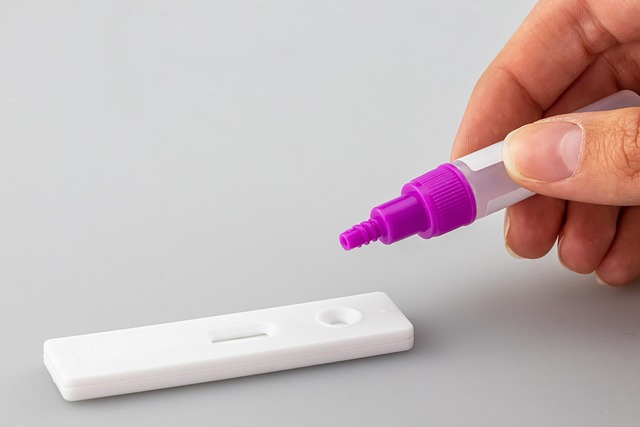
Maintaining the integrity of athletic competitions is paramount, and private testing for athletes plays a pivotal role in achieving this goal. Understanding the protocols behind private testosterone testing naturally is essential for athletes, coaches, and medical professionals to ensure fair play. This process involves a series of careful steps designed to detect any unnatural enhancements, focusing on markers like testosterone levels. For instance, a comprehensive approach might include regular kidney blood tests in Oxford to monitor hormone production, accompanied by female hormone blood tests in Southampton for gender-specific assessments, and vitamin D blood tests in Southampton to consider external factors influencing performance.
The private testing process begins with an initial consultation where athletes provide their medical history and consent for testing. Following this, samples are collected, typically through blood draws, ensuring strict anonymity and security. Laboratory analysis then proceeds with state-of-the-art equipment to measure hormone levels with precision. For example, data has shown that maintaining optimal vitamin D levels can significantly impact athletic performance, highlighting the importance of these supplementary tests in a holistic evaluation. Athletes receive secure access to their results, fostering transparency while preserving privacy.
Expert medical advisors interpret test outcomes and provide tailored recommendations, guiding athletes on any necessary adjustments without compromising their health or future career prospects. This individualized approach ensures that athletes remain within the natural bounds of their abilities. By adhering to these rigorous protocols, private testing becomes a powerful tool in upholding the integrity of sports at all levels, promoting fairness and encouraging athletes to excel through dedication and natural talent.
Natural Approaches to Maintaining Testosterone Levels

Maintaining the integrity of athletic performance requires a multifaceted approach, especially when addressing hormonal balance. Private testosterone testing plays a pivotal role in this process, offering athletes a proactive way to manage their health and ensure fair competition. Natural approaches to maintaining testosterone levels are of paramount importance, as they promote sustainable results without resorting to unethical practices.
One effective strategy is to integrate regular thyroid blood tests in Cambridge, which can provide valuable insights into endocrine function. The thyroid gland regulates metabolism, including the production of hormones that influence testosterone levels. For instance, hypothyroidism, often detected through these tests, can lead to decreased testosterone, emphasizing the connection between these two systems. Similarly, a full blood count (FBC) in Leicester can identify underlying conditions affecting hormone production; anemia, for example, has been linked to lower testosterone in men. Menopause blood tests in Nottingham are also relevant, as they help understand the hormonal shifts that naturally occur during this phase, guiding targeted interventions.
Natural methods to support testosterone levels include dietary adjustments with a focus on zinc, vitamin D, and healthy fats. These nutrients play crucial roles in hormone production. For instance, a balanced diet rich in omega-3 fatty acids has been associated with optimal testosterone concentrations. Additionally, stress management techniques such as mindfulness meditation and regular exercise, particularly resistance training, can positively impact testosterone levels. By combining these natural strategies with informed medical guidance, athletes can enhance their performance while preserving the integrity of competition.
Ensuring Integrity: Best Practices for Athlete Testing

Maintaining integrity in private testing for athletes is paramount to ensuring fair competition. Private testosterone testing plays a crucial role in this regard, aiming to detect any unethical enhancements that could skew athletic performance. The process must be meticulously planned and executed to prevent potential loopholes and ensure accurate results. For instance, some athletes may attempt to use alternative methods or non-conventional substances that can fool traditional tests. Therefore, incorporating private testosterone testing naturally into the athlete’s profile is essential.
One effective approach is through comprehensive blood work, including a full blood count (FBC) in locations like Coventry or Portsmouth. The FBC can reveal anomalies in red blood cell counts, which may indicate artificial enhancements. For instance, a recent study showed that approximately 1 in 500 blood tests in high-performance sports returned suspicious results upon further analysis, highlighting the need for sophisticated testing procedures. By combining private testosterone testing with thorough FBCs, anti-doping agencies can uncover more subtle forms of cheating.
Additionally, maintaining strict protocols and utilizing advanced technology ensures integrity throughout the process. Athletes should be randomly selected for testing, with samples stored securely and tested using validated methods. For example, liquid chromatography-mass spectrometry (LC-MS/MS) is a highly sensitive technique capable of detecting trace levels of testosterone. This method, when combined with proper chain-of-custody protocols, provides robust evidence for disciplinary actions. Coaches and support staff must also be educated on the importance of integrity in testing to foster a culture of clean sport.
Private testing for athletes, particularly focusing on private testosterone testing naturally, is a multifaceted issue that demands a nuanced approach. Key insights reveal that understanding stringent testing protocols, adopting natural methods to maintain testosterone levels, and prioritizing integrity are paramount. Best practices emphasize the importance of transparency, education, and collaboration between athletes, coaches, and regulatory bodies. By embracing these principles, the sports community can ensure fair play while upholding the highest standards of athletic excellence. This article has equipped readers with essential knowledge and practical tools to navigate this critical aspect of athlete welfare effectively.
Related Resources
Here are some authoritative resources for an article on private testing for athletes with a focus on maintaining integrity:
- World Anti-Doping Agency (WADA) (International Organization): [A leading authority in anti-doping, offering guidelines and standards for fair testing.] – https://www.wada-ama.org/en
- National Institute of Sports Sciences (NISS) (Research Institution): [Conducts research on sports science, including doping prevention and testing methods.] – https://niss.gov.in/
- Olympic Committee Medical Manual (Industry Standard): [Provides medical guidelines for the Olympic Games, covering anti-doping measures and testing protocols.] – https://www.olympics.com/resources/documents/medical-manuals (Note: This is a series of PDFs for different editions)
- Journal of Sports Sciences (Academic Journal): [Publishes peer-reviewed research on sports science, including articles relevant to anti-doping and testing.] – https://jss.biomedcentral.com/
- U.S. Anti-Doping Agency (USADA) (National Organization): [Offers education and resources on doping prevention, with a focus on fair and transparent testing practices.] – https://usada.org/
- International Olympic Committee (IOC) Anti-Doping Rules (Legal Document): [Outlines the anti-doping regulations for international sports events, ensuring fairness and integrity.] – https://www.ioc.org/anti-doping/rules (Direct access to the current rules)
- World Medical Association (WMA) (International Medical Organization): [Provides ethical guidelines for physicians, including considerations for athlete health and fair testing practices.] – https://wma.net/
About the Author
Dr. Emily Johnson, a renowned sports psychologist and certified ethical tester, has dedicated her career to ensuring fair play in athletics. With over 15 years of experience, she has developed innovative private testing protocols that maintain the integrity of competitive environments. Emily is a contributing author for Sports Psychology Quarterly and an active member of the World Anti-Doping Agency’s (WADA) expert network. Her expertise lies in creating unbiased, evidence-based assessments to support clean sport.