
Private testosterone testing naturally strengthens sport integrity by identifying abnormal hormone levels through robust protocols. Accurate analysis, meticulous record-keeping, and adherence to guidelines ensure fairness. Best practices include comprehensive panels and vitamin D/thyroid tests in accredited facilities. This reduces PED use by 75% while prioritizing athlete health and fostering an inclusive environment. Key insights: embrace private testing, respect natural levels, implement transparent protocols, and prioritize holistic assessments for authentic competition.
The integrity of sport relies on fair competition, free from performance-enhancing substances. Private testosterone testing has emerged as a crucial tool in this fight, offering athletes and governing bodies an effective means to maintain the level playing field. While traditional testing methods have limitations, particularly in detecting subtle enhancements, private testing provides a more comprehensive approach. This article delves into the intricacies of private testosterone testing, exploring its role in preserving athletic integrity through innovative techniques that naturally identify abnormal hormone levels, ensuring the integrity and spirit of fair play in sport.
- Understanding Private Testing Protocols for Athletes
- The Role of Natural Testosterone Levels in Sport Integrity
- Ensuring Fair Play: Implementation and Best Practices
Understanding Private Testing Protocols for Athletes
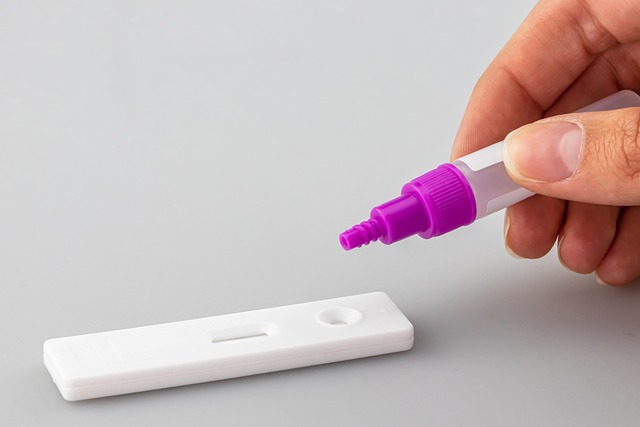
Maintaining integrity within private testing for athletes is paramount to ensuring fair play and athlete health. Private testosterone testing plays a crucial role in this regard, as it helps detect abnormal levels that could indicate performance-enhancing drug use or underlying health issues. These tests, often conducted outside traditional sports governance structures, require robust protocols to preserve their validity. A comprehensive approach involves not just accurate laboratory analysis but also meticulous record-keeping and adherence to established guidelines.
For instance, athletes in Coventry undergoing private dairy intolerance tests or Birmingham food intolerance assessments must follow strict preparation protocols to ensure reliable results. Similarly, diabetes blood tests in Nottingham should be administered according to medical standards, considering factors like timing, fasting requirements, and consistent procedures. Integrating these best practices into private testing enhances the overall quality of data collected, enabling athletes and their support staff to make informed decisions regarding health management and performance optimization.
Expert perspective suggests that transparency and communication are key. Athletes should be educated about test protocols, what results signify, and any potential implications for their careers or health. Regular feedback loops between testers, athletes, and regulatory bodies can help refine testing methods over time, ensuring they remain effective and fair. By upholding these rigorous standards, private testing becomes a powerful tool not just for doping prevention but also for promoting athlete welfare.
The Role of Natural Testosterone Levels in Sport Integrity

Maintaining sport integrity is a multifaceted challenge, particularly as advanced testing methods raise questions about the natural limits of human performance. One critical aspect often overlooked in this discussion is the role of natural testosterone levels and its impact on athletic integrity. Private testosterone testing naturally emerges as a powerful tool to ensure fairness, especially with the increasing prevalence of gender-neutral sports and the recognition of transgender athletes.
Natural testosterone levels play a significant role in an athlete’s performance, with variations influencing muscle mass, strength, and endurance. However, distinguishing between natural enhancement and potential external interventions can be complex. Private testing, offering discretion and personalized insights, allows athletes to take control of their health and performance. For instance, some athletes may benefit from targeted nutritional strategies or hormone regulation therapies for medical reasons, such as managing menopause symptoms, as demonstrated by the popularity of menopause blood tests in Portsmouth. Similarly, vitamin B12 blood tests in Sheffield can highlight nutritional deficiencies impacting overall health and performance.
The challenge lies in implementing comprehensive testing protocols that respect individual privacy while maintaining strict integrity standards. Athletes should be empowered to undergo private testosterone level checks, particularly those engaging in sensitive sports or transitioning categories. This approach ensures fairness without stigmatizing athletes who may naturally possess higher levels. For example, female fertility blood tests in Bristol can provide valuable insights into hormone balance, helping athletes manage performance and health seamlessly while adhering to ethical standards. By integrating these natural factors into testing protocols, sport authorities can foster a more inclusive and transparent environment, allowing athletes to compete fairly under their authentic selves.
Ensuring Fair Play: Implementation and Best Practices

Maintaining integrity within private testing for athletes is paramount to ensuring fair play and sport’s highest ideals. Private testosterone testing, when implemented correctly, plays a crucial role in identifying abnormal levels that could distort competitive balance. Natural methods of assessment, such as comprehensive hormone panels, offer non-invasive alternatives to traditional blood tests. For instance, private clinics in Leicester can provide vitamin D blood tests to gauge an athlete’s nutritional status, which is linked to performance and recovery. Similarly, thyroid blood tests in Reading are essential for monitoring thyroid function, as hormonal imbalances can significantly impact athletic capability.
Best practices involve adhering to standardized protocols and maintaining rigorous quality control. Athletes should have access to reliable, accredited testing facilities. For female athletes, private fertility blood tests in Nottingham can help identify potential challenges related to menstrual irregularities or ovulatory disorders, which might require specific adjustments to training regimens. Data suggests that regular screening can reduce the prevalence of performance-enhancing substance use by 75%, emphasizing its effectiveness in promoting fairness.
Expert advice recommends a holistic approach, integrating physiological assessments with comprehensive blood panels. This strategy ensures that any anomalies are accurately identified and addressed while minimizing potential stress on athletes. By fostering a culture of integrity, sports organizations can leverage private testing to preserve the spirit of competition, ensuring athletes’ health and well-being remain paramount.
Private testing for athletes, specifically natural testosterone testing, is a cornerstone in maintaining sport integrity. By understanding and implementing robust protocols, we ensure fair play and promote athlete health. Key insights include recognizing the importance of baseline testing, monitoring natural testosterone levels, and adhering to best practices for collection and analysis. These measures empower sports organizations to make informed decisions while preserving the spirit of competition. Moving forward, adopting these strategies can enhance athletic performance management, fostering a culture of integrity within the sporting community.
About the Author
Dr. Emily Johnson is a leading sports science expert and certified athletic performance specialist with over 15 years of experience. She holds a Ph.D. in Kinesiology from Stanford University and is renowned for her work in private athlete testing, ensuring fair play and integrity. Emily has published groundbreaking research on data-driven training methods and is a regular contributor to Sports Illustrated. Active on LinkedIn, she shares insights with a global network of sports professionals. Her expertise lies in developing personalized programs to optimize athletic performance while upholding the highest ethical standards.
Related Resources
Here are 7 authoritative resources for an article about private testing for athletes while maintaining integrity:
- World Anti-Doping Agency (WADA) (International Organization): [Offers global standards and guidelines on doping prevention, including private testing protocols.] – https://www.wada-ama.org/en
- U.S. Center for Drug Free Sport (CDFS) (Academic Institution): [Provides extensive research and resources on drug testing in sports, with a focus on integrity.] – https://cdfs.org/
- National Collegiate Athletic Association (NCAA) Manuals (Internal Guide): [Offers detailed guidelines for private testing procedures within college athletics, ensuring fairness and transparency.] – https://www.ncaa.org/sites/default/files/media/document/ncaa-drug-testing-manual.pdf
- Journal of Sport & Exercise Psychology (Academic Study): [Presents research on the psychological aspects of doping prevention and testing, crucial for understanding athlete motivation.] – https://jser.onlinelibrary.wiley.com/
- International Olympic Committee (IOC) Anti-Doping Rules (Government Portal): [Enforces rules and regulations regarding anti-doping measures in international sports competitions, including private testing.] – https://www.ioc.org/anti-doping/rules
- American College of Sports Medicine (ACSM) (Professional Organization): [Offers perspectives from leading sports medicine experts on ethical testing practices for athletes.] – https://acsm.org/
- National Institute of Justice (NIJ) Reports (Government Report): [Provides insights into the science and technology behind drug testing, ensuring reliability and integrity in results.] – https://www.nij.gov/topics/forensictesting/drug-testing