
Private testosterone testing naturally empowers individuals to assess and manage their hormonal health discreetly. This method, focusing on men but applicable to both sexes, reveals insights into testosterone levels (total, free, bioavailable) through simple blood tests. Key benefits include personalized lifestyle recommendations for diet, exercise, and stress management based on test results, enhancing overall well-being. Regular monitoring, especially during life transitions like menopause, helps prevent or address imbalances linked to mood, energy, fertility, and bone density issues.
Testosterone is a cornerstone hormone for men, playing a pivotal role in physical health, mental well-being, and overall quality of life. As we age, testosterone levels naturally decline, leading to various symptoms that can significantly impact daily functioning. This guide aims to demystify the process of private testosterone testing, offering a comprehensive, authoritative overview for men seeking to understand their hormone levels and make informed decisions about their health. By providing clear, evidence-based information, we empower individuals to take control of their well-being through what is increasingly recognized as a valuable tool: private testosterone testing naturally.
- Understanding Testosterone: The Key Hormone
- Private Testosterone Testing: Natural Approaches
- Interpreting Results: What Does It Mean?
- Enhancing Health: Lifestyle for Optimal Levels
Understanding Testosterone: The Key Hormone
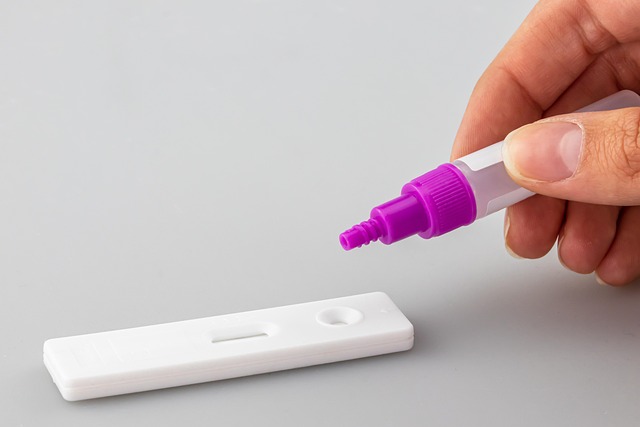
Testosterone is a hormone that plays a pivotal role in both male and female bodies, though it’s often associated predominantly with males due to its significant impact on masculine traits. It’s crucial for various bodily functions, including muscle mass development, bone density maintenance, and red blood cell production. For women, optimal testosterone levels are essential for preserving fertility, libido, and overall well-being, especially during the menopause transition. Understanding this key hormone is a fundamental step in interpreting private testosterone testing naturally, which has gained popularity as a way to assess and optimize hormonal health discreetly.
While there’s growing awareness about testosterone in women, its significance can be easily overlooked, leading to undiagnosed imbalances. Conditions like menopause, for instance, bring about natural fluctuations in hormone levels, with female fertility blood tests becoming increasingly relevant in Manchester and across the UK. A comprehensive assessment may involve not just this test but also other key markers, such as estrogen and progesterone, to gain a holistic view of hormonal health. In Bristol or Coventry, seeking specialized care for menopause blood tests ensures expert interpretation of these results, guiding personalized strategies to manage symptoms effectively.
Private testosterone testing provides an avenue for individuals to take charge of their hormonal health proactively. It empowers women to understand their bodies better, especially as they navigate life stages that can impact hormone levels. By combining private testing with professional guidance, one can develop targeted interventions, such as lifestyle modifications or bioidentical hormone replacement therapy (BHRT), if necessary. This proactive approach ensures that testosterone, while often overshadowed in female health discourse, is recognized and addressed appropriately.
Private Testosterone Testing: Natural Approaches

Private Testosterone Testing Naturally offers a discreet and empowering approach for men seeking to understand their hormone levels. This method allows individuals to take an active role in their health without the often invasive procedures associated with traditional testing. A simple blood draw, like those offered at specialist clinics in Derby, Bournemouth, or Oxford, can provide valuable insights into testosterone levels. These cities, with their advanced medical facilities, offer men a private and professional environment for such tests.
The process begins with consulting healthcare professionals who specialize in hormone health. Experts will consider factors like age, lifestyle, and overall health to tailor a natural testing strategy. This might involve assessing diet, exercise routines, and stress management—all crucial elements influencing testosterone production. For instance, regular strength training and a balanced diet rich in zinc can naturally boost T-levels. Some men may even opt for at-home kits, though professional guidance is essential for accurate interpretation of results from liver blood tests in Oxford or Bournemouth.
Private testing provides a range of benefits. It allows for personalized recommendations without the potential stigma of traditional hormone clinics. Men can gain insights into their body’s natural rhythm and make informed decisions to optimize their health. Data suggests that maintaining optimal testosterone levels is linked to improved mood, energy, and overall well-being—benefits that extend beyond physical health. By embracing private testosterone testing naturally, men can take charge of their hormone balance and enjoy the transformative effects on their daily lives.
Interpreting Results: What Does It Mean?

When interpreting results of private testosterone testing naturally, understanding what each value signifies is crucial for both men and women seeking to optimize their hormone levels. For males, a typical blood test panel will include total testosterone (T-total), free testosterone (T-free), and bioavailable testosterone (T-bio). T-total measures the total amount of testosterone in your blood, while T-free represents the active form not bound to proteins. T-bio indicates how much testosterone is available for immediate use by your cells. Ideally, these levels should fall within a healthy range: for men, this typically means T-total between 300-1000 ng/dL, T-free around 50-200 pg/mL, and T-bio approximately 40-180 pg/mL.
For women, hormone balance is slightly different. A female fertility blood test Bournemouth or Southampton might include estradiol (E2), progesterone (P4), and testosterone (T). While estradiol and progesterone are essential for reproductive health, testosterone plays a surprising yet significant role in women’s well-being. Normal ranges for these hormones vary greatly depending on age and menopausal status. For postmenopausal women, for instance, a private female fertility blood test may show lower but still healthy testosterone levels, typically around 10-70 pg/mL, reflecting the natural decline in this hormone after menopause.
Actionable advice is to consult with a healthcare provider upon receiving your test results. They can help interpret your numbers in light of your symptoms and overall health. For instance, low T-total or T-bio in men could indicate hypogonadism, leading to recommendations for lifestyle changes or medical interventions like testosterone replacement therapy (TRT). Similarly, women with elevated T levels might benefit from discussions about reducing excessive androgen production due to conditions like polycystic ovary syndrome (PCOS). Regular monitoring of these hormones through private blood tests, especially in areas like Newcastle or cities with specialized clinics, can be empowering, enabling individuals to take control of their hormone health.
Enhancing Health: Lifestyle for Optimal Levels

Maintaining optimal testosterone levels is a crucial aspect of overall health and well-being, especially as we age. Private testosterone testing naturally allows individuals to gain valuable insights into their hormonal balance, empowering them to make informed decisions about their lifestyle and overall health management. While often associated with male fertility and muscle mass, testosterone plays a vital role in both genders, influencing mood, energy levels, bone density, and sexual function.
For those seeking to enhance their health through natural means, lifestyle modifications can significantly impact testosterone levels. A balanced diet rich in lean proteins, healthy fats, and fruits and vegetables provides the body with essential nutrients for hormone production. Regular exercise, particularly resistance training, stimulates testosterone release. However, it’s not just about intense workouts; moderate-intensity activities like walking and cycling also play a role. Additionally, managing stress through techniques such as meditation or yoga can positively influence hormonal balance, as chronic stress negatively impacts testosterone levels.
In some cases, specialized blood tests like a full blood count (FBC) in Bournemouth or female fertility/hormone profiles in Manchester can offer further insight. These tests measure various hormone levels, including testosterone, and help identify potential imbalances. For instance, data suggests that women with lower testosterone levels may experience symptoms similar to those of perimenopause, underscoring the importance of comprehensive evaluation. Consulting with a healthcare professional is crucial for interpreting test results and designing a personalized strategy incorporating dietary adjustments, exercise plans, and stress management techniques tailored to individual needs.
By understanding testosterone’s fundamental role as the key hormone, readers can appreciate the significance of maintaining optimal levels for overall health and well-being. Private testosterone testing naturally offers a valuable tool for individuals seeking insights into their hormonal balance. Through interpreting test results, individuals can gain actionable knowledge about their health status. Furthermore, adopting a holistic lifestyle approach, focusing on diet, exercise, and stress management, plays a crucial role in enhancing testosterone levels naturally. This comprehensive guide empowers readers to take control of their health by implementing practical strategies for optimal testosterone regulation.