Private Testosterone Testing: Unlocking Insights into Men's Health
Introduction
In the realm of men's health and wellness, private testosterone testing has emerged as a transformative approach, offering individuals a powerful tool for understanding their hormonal balance. This comprehensive article delves into the intricacies of private testosterone testing, exploring its definition, global impact, technological advancements, regulatory landscape, and its role in shaping future healthcare strategies. By examining these aspects, we aim to provide readers with an insightful guide, enabling them to comprehend the significance and potential of this innovative testing method.
Understanding Private Testosterone Testing
Definition and Core Components
Private testosterone testing is a non-invasive medical procedure designed to measure the level of testosterone in an individual's blood. This testing is typically conducted outside the traditional clinical setting, allowing for greater accessibility and privacy. The process involves taking a small blood sample, which is then analyzed in a certified laboratory using advanced hormone assays. The core components include:
- Blood Sampling: A qualified healthcare professional or trained specialist obtains a blood sample from the patient through a simple finger prick or venous draw.
- Hormone Assays: Highly sensitive laboratory techniques are employed to measure testosterone levels with precision, ensuring accurate and reliable results.
- Reporting: The test results are interpreted by medical experts and presented in an easy-to-understand format, often accompanied by personalized recommendations.
Historical Context and Evolution
The concept of private testosterone testing has evolved over several decades, driven by advancements in hormonal research and a growing awareness of men's health issues. Historically:
- Early 1900s: The exploration of testosterone as a key male sex hormone began, paving the way for future research.
- 1970s-1980s: Clinical testing became more widespread, primarily within medical research and specialized clinics.
- Late 20th Century: The rise of direct-to-consumer (DTC) healthcare models sparked a shift towards more accessible and private testing options.
- 21st Century: Technological advancements revolutionized testing accuracy, and the integration of telemedicine further expanded accessibility, leading to the current era of private testosterone testing as a mainstream approach.
Significance and Broader Impact
Private testosterone testing plays a pivotal role in several key areas:
- Men's Health Awareness: It empowers individuals to take an active role in managing their health by providing insights into hormone levels, which can influence overall well-being and sexual function.
- Androgen Deficiency: Testing is crucial for diagnosing low testosterone (hypogonadism), enabling timely treatment and improvement in quality of life for affected men.
- Sports and Performance: Athletes often use this testing to optimize performance, ensuring they stay within legal boundaries regarding hormone levels.
- Research and Development: The data generated from private testing contributes to medical research, leading to better understanding and treatments for hormonal disorders.
Global Impact and Trends
International Influence
Private testosterone testing has gained global traction, with varying degrees of adoption and regulation across different countries:
| Region |
Adoption and Regulation |
Notable Trends |
| North America |
Highly regulated, with strict guidelines for at-home testing kits. |
Growing demand for personalized healthcare, leading to increased accessibility of private testing. |
| Europe |
Diverse regulations; some countries allow private testing, while others require clinical settings. |
Increasing focus on men's health awareness campaigns, resulting in higher testing rates. |
| Asia-Pacific |
Rising popularity, especially in urban areas, with a trend towards personalized wellness solutions. |
Integration of technology for remote testing and consultation, made possible by advanced digital infrastructure. |
| Middle East & Africa |
Limited availability, but growing interest due to increasing awareness of men's health issues. |
Traditional medicine practices coexisting with modern testing methods, creating a unique healthcare landscape. |
Shaping Regional Trajectories
The global trends in private testosterone testing are influenced by several factors:
- Healthcare Systems: Countries with robust healthcare infrastructure often facilitate easier access to private testing services.
- Cultural Attitudes: Varying cultural perspectives on men's health and privacy impact testing adoption rates.
- Economic Factors: Affordability plays a significant role, as private testing is typically more accessible in regions with higher disposable incomes.
- Regulatory Frameworks: Stringent regulations can both limit and encourage testing, depending on their implementation.
Economic Considerations
Market Dynamics
The private testosterone testing market has experienced steady growth, driven by several economic factors:
- Demographic Shifts: Increasing life expectancy and rising awareness of men's health issues have fueled demand.
- Personalized Healthcare Trend: Consumers are increasingly seeking tailored healthcare solutions, driving the need for private, convenient testing.
- Online Distribution Channels: E-commerce platforms enable direct-to-consumer sales, expanding market reach and accessibility.
Investment Patterns
Investors have shown a keen interest in this sector, recognizing its potential:
- Startups and Innovations: Many new companies are leveraging technology to offer innovative testing kits and online consultation services.
- Mergers and Acquisitions: Established healthcare providers are acquiring private testing startups to integrate these services into their offerings.
- Funding Opportunities: Series A and B funding rounds have supported the development of advanced testing technologies and digital platforms.
Economic System Implications
Private testosterone testing has several implications for economic systems:
- Revenue Generation: It provides revenue streams for healthcare providers, laboratories, and direct-to-consumer businesses.
- Cost Savings: Early diagnosis and treatment of hormonal disorders can lead to reduced long-term healthcare costs.
- Employment Impact: The industry creates jobs in research, manufacturing, sales, and customer support.
Technological Advancements
Innovations in Testing Techniques
Technological breakthroughs have significantly enhanced private testosterone testing:
- Liquid Chromatography-Mass Spectrometry (LC-MS): This advanced technique offers unparalleled sensitivity and accuracy, enabling the detection of even trace amounts of testosterone.
- Immunoturbidimetry: A cost-effective method used in many clinical settings, providing quick results for routine testing.
- Point-of-Care Testing (POCT): Portable devices allow for rapid, on-site testing, making it convenient for various settings, including sports events and healthcare fairs.
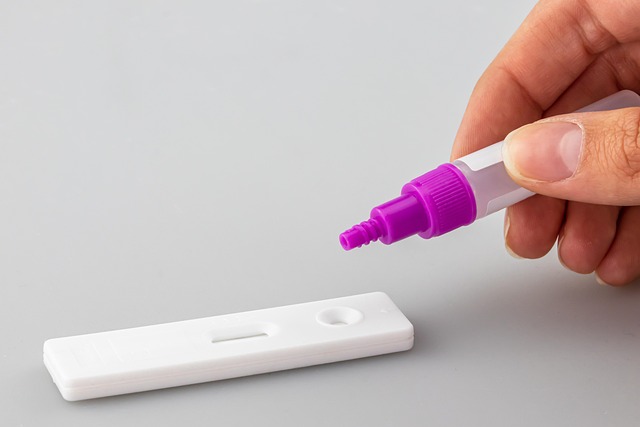
- Home Testing Kits: Over-the-counter kits are now available, giving individuals the convenience of testing at home, but with potential trade-offs in accuracy.
Digital Integration and Future Potential
The integration of technology is a defining feature of modern private testosterone testing:
- Telemedicine: Online consultations enable remote monitoring and personalized guidance for test results, expanding access to healthcare professionals.
- Mobile Health (mHealth) Apps: Mobile apps offer educational resources, reminder systems, and data visualization tools, empowering users to track their hormone levels over time.
- Artificial Intelligence (AI): AI algorithms can analyze testing data to predict hormonal trends and suggest personalized interventions, enhancing the precision of testing and treatment plans.
Policy and Regulation
Governance and Legislative Frameworks
The regulatory landscape surrounding private testosterone testing varies globally, impacting its availability and accessibility:
- North America: Strict regulations require clinical supervision for testing, with prescription requirements for most over-the-counter kits.
- Europe (EU): The EU's Medical Devices Regulation (MDR) sets high standards for product safety and performance, influencing the design and marketing of testing devices.
- Australia: Similar to North America, Australia mandates clinical oversight but allows for more flexibility in at-home testing under certain conditions.
- Japan: Rigorous regulations focus on ensuring accurate and reliable test results, with strict quality control measures.
Impact on Testing Development
Policies and regulations have both positive and negative effects on the industry:
Positive Influences:
- Safety Standards: Regulations promote the development of safe and effective testing devices, protecting consumers from potentially harmful products.
- Data Privacy: Legal frameworks safeguard personal health information, ensuring confidentiality in data handling.
- Quality Assurance: Strict standards for laboratory practices ensure accurate test results, maintaining the integrity of data collection.
Challenges:
- Access Restrictions: Rigorous regulations can limit access to testing, especially in regions with limited healthcare infrastructure.
- High Compliance Costs: Compliance for manufacturers and service providers can be expensive, potentially reducing the availability of affordable testing options.
- Regulatory Uncertainty: Frequent changes or ambiguities in policies create challenges for businesses and may hinder innovation.
Challenges and Criticisms
Addressing Common Concerns
Private testosterone testing, despite its benefits, faces several challenges and criticisms:
- Accuracy and Reliability: Critics question the accuracy of home testing kits, highlighting potential variations in results due to user error or kit quality.
- Lack of Clinical Oversight: The absence of medical professionals during testing raises concerns about proper interpretation and follow-up care.
- Over-diagnosis and Over-treatment: There is a risk of misinterpreting test results, leading to unnecessary treatments or anxiety for individuals with normal hormone levels.
- Regulation and Quality Control: Ensuring consistent quality across diverse testing services remains challenging due to varying regulatory standards globally.
Strategies for Improvement
To address these issues, several strategies can be employed:
- Standardization of Kits: Developing and adopting standardized home testing kits with validated accuracy and reliability ensures consistent performance worldwide.
- Education and Training: Providing comprehensive education to consumers on proper test administration and interpretation empowers them to make informed decisions.
- Medical Professional Collaboration: Integrating telemedicine and remote consultation services allows healthcare professionals to guide patients, ensuring accurate results and appropriate follow-up care.
- International Regulatory Cooperation: Collaborating globally can help establish harmonized standards, facilitating access to quality testing while maintaining safety and privacy.
Case Studies: Real-World Applications
Success Stories
Private testosterone testing has found successful applications in various settings, leading to positive outcomes:
Case Study 1: Athletic Performance Enhancement
A professional sports team implemented a private testing program for its athletes, aiming to optimize performance while adhering to anti-doping regulations. Through regular testing and personalized feedback, they achieved improved on-field results and enhanced overall health awareness among the athletes.
Case Study 2: Androgen Deficiency Treatment
A specialist clinic introduced at-home testosterone testing as part of its treatment protocol for hypogonadism. The convenience of home testing increased patient adherence to therapy, resulting in significant improvements in quality of life and sexual function.
Case Study 3: Men's Health Awareness Campaign
A non-profit organization launched a nationwide campaign promoting private testosterone testing as a preventive measure for men over 40. The initiative led to a surge in testing requests, raising awareness about the importance of regular hormonal checks.
Future Prospects
Emerging Trends and Growth Areas
The future of private testosterone testing is poised for significant growth and evolution:
- Personalized Medicine: With advancements in genomics and artificial intelligence, testing will become even more personalized, offering tailored hormone replacement therapies based on individual needs.
- Digital Health Integration: Continued integration of telemedicine, mobile health apps, and digital platforms will enhance accessibility and remote monitoring, especially in underserved regions.
- Global Harmonization: International efforts to standardize testing practices and regulations will improve global access, ensuring quality and safety while fostering a unified healthcare approach.
- Research and Development: Ongoing research will lead to improved testing technologies, better understanding of hormonal dynamics, and innovative treatments for hormonal disorders.
Strategic Considerations
To capitalize on these trends, industry stakeholders should:
- Focus on Digital Transformation: Invest in digital infrastructure and platforms to enhance accessibility and customer engagement.
- Embrace Personalization: Develop products and services tailored to individual needs, leveraging data analytics and AI.
- International Collaboration: Collaborate with global partners to harmonize regulations and standards, facilitating market expansion.
- Research and Innovation: Support scientific research to drive technological advancements and expand the knowledge base in testosterone testing and related fields.
Conclusion: Unlocking a New Era of Men's Health Care
Private testosterone testing has emerged as a transformative force in men's health care, offering unprecedented access, convenience, and insights into hormonal well-being. As technology continues to advance and global regulations evolve, this testing method will play an increasingly vital role in preventive healthcare, treatment planning, and research. By addressing challenges through education, standardization, and collaboration, the private testosterone testing industry can ensure a bright future, empowering individuals worldwide to take control of their health with confidence.
FAQ Section
Q: Is private testosterone testing accurate?
A: When conducted with validated testing kits and following proper procedures, private testosterone testing is highly accurate. However, individual results may vary, and interpretation should be done by qualified professionals.
Q: Can I get a prescription for testosterone therapy based on a private test?
A: While private testing provides valuable insights, it is typically not a substitute for a comprehensive medical evaluation. Prescriptions for hormone replacement therapy require further clinical assessment and monitoring by healthcare professionals.
Q: How does at-home testing benefit men's health?
A: At-home testosterone testing promotes proactive healthcare by allowing individuals to monitor their hormonal levels conveniently. Early detection of potential issues can lead to timely interventions, improving overall well-being.
Q: Are there any legal risks associated with private testosterone testing?
A: In regions with strict regulations, unauthorized testing or distribution of kits may carry legal consequences. Always ensure compliance with local laws and guidelines to avoid any risks.
Q: Can private testing help in athletic performance enhancement?
A: Yes, but it should be conducted within ethical boundaries and under medical supervision. Regular testing can aid athletes in optimizing performance while minimizing health risks associated with excessive hormone manipulation.