
Private testosterone testing naturally is a discreet way to manage men's health as testosterone levels decline with age. Up to 30% of men over 30 may have undiagnosed low testosterone. Testing frequency varies based on symptoms and individual needs, from annual screenings to every 3-6 months during hormone therapy. Regular monitoring enables informed decisions and early intervention. Combining testing with balanced diet, exercise, and sleep optimizes testosterone secretion. Consult healthcare professionals for personalized guidance, as interpreting results requires contextual analysis. Proactive hormone monitoring improves quality of life.
Testosterone levels play a pivotal role in men's overall health and well-being. However, the question of how often guys should get tested for these levels remains elusive, causing many to neglect this crucial aspect of their wellness. The current landscape often presents misinformed guidelines, leading to either overt or undertesting. This article aims to demystify the process by offering a comprehensive guide on optimal private testosterone testing schedules. By providing evidence-based insights, we empower men to make informed decisions regarding their health, ensuring they receive tailored care for their unique biological needs.
- Understanding Testosterone Levels in Men
- The Role of Private Testing for Guys
- Natural Ways to Optimize Testosterone Secretion
- When to Seek Professional Assessment
- Interpreting Results and Next Steps
Understanding Testosterone Levels in Men
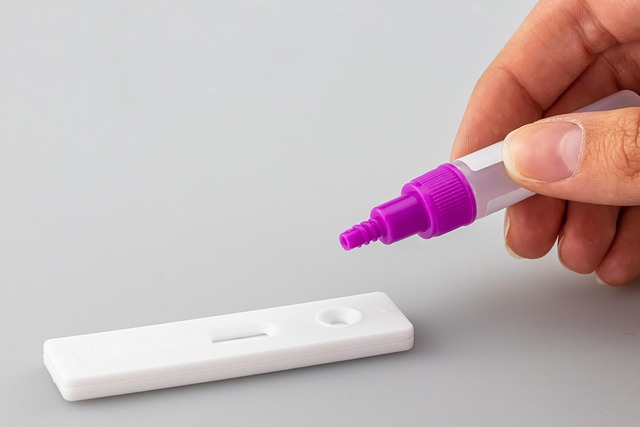
Men's health is a multifaceted topic, and understanding testosterone levels is a crucial component often overlooked. Testosterone, the primary sex hormone in males, plays a pivotal role in various bodily functions, including muscle mass, bone density, and sexual health. However, as men age, testosterone levels naturally decrease, leading to a range of potential symptoms such as reduced energy, muscle mass, and libido. This decline is typically part of the aging process, but certain medical conditions or lifestyle factors can also contribute.
Private testosterone testing naturally has gained prominence as a proactive approach for men concerned about their hormonal balance. Unlike traditional methods that often involve invasive procedures, private testing offers a discreet and convenient option. For instance, a simple blood test at a clinic in Oxford can measure cholesterol levels alongside testosterone, providing comprehensive insights into overall health. Similarly, vitamin B12 blood tests in Milton Keynes or female hormone assessments in Derby are readily available, catering to diverse healthcare needs. Regular screening is essential, as data suggests that up to 30% of men over 30 may experience low testosterone levels, often undiagnosed.
The frequency of testing depends on individual factors and symptoms. Men experiencing significant changes in mood, energy levels, or sexual function should consult healthcare professionals for personalized advice. For instance, a man with low energy and reduced muscle mass might benefit from quarterly tests to monitor improvements after lifestyle adjustments. Conversely, those with no symptoms may opt for annual screenings as a preventive measure. By understanding their baseline hormone levels, men can make informed decisions regarding their health, ensuring prompt intervention if needed.
The Role of Private Testing for Guys

Guys often have concerns about their testosterone levels, prompting many to ask, "How often should I get tested?" The decision to undergo private testosterone testing is a personal one, influenced by individual health goals and potential symptoms of low T. It's important to recognize that private testing offers a discreet and convenient way for men to take charge of their health. This approach is especially beneficial in addressing concerns without the need for extensive medical procedures or lengthy waiting times often associated with traditional healthcare settings.
Private testosterone testing, including blood tests like the kidney blood test Cambridge or Milton Keynes facilities offer, provides an accurate assessment of hormone levels. The testosterone blood test Leeds has become increasingly popular as a private service, allowing men to access results quickly and confidentially. These tests can be particularly valuable for individuals experiencing symptoms such as decreased energy, muscle mass loss, or changes in sexual function. By identifying potential issues early on, men can take proactive measures to maintain optimal health. For instance, data suggests that timely intervention through hormone replacement therapy can significantly improve quality of life for those with low testosterone.
However, the frequency of testing depends on personal circumstances. Some experts recommend annual screenings for older men or individuals with risk factors for hormonal imbalances. Others suggest more frequent checks, perhaps every six months, for those actively managing low T or undergoing hormone therapy. Men should consult healthcare professionals to determine an appropriate testing schedule based on their unique needs. For instance, a private kidney blood test Birmingham could be advised every three to six months during active treatment, ensuring levels remain within the desired range. Regular monitoring enables adjustments to treatment plans, ensuring long-term health and well-being.
Natural Ways to Optimize Testosterone Secretion

Optimizing testosterone levels is a multifaceted approach, and one of the most direct strategies involves private testosterone testing naturally as a starting point for understanding your hormonal health. This proactive step allows men to take charge of their well-being and make informed decisions regarding their bodies. By assessing testosterone levels through specialized tests, individuals can uncover underlying factors influencing secretion and make necessary adjustments.
A key aspect often overlooked is the interplay between various hormones, with the thyroid playing a pivotal role. A thyroid blood test in Birmingham can reveal insights into this intricate balance. Hypothyroidism or hyperthyroidism can significantly impact testosterone production, emphasizing the importance of regular check-ups. For instance, studies have shown that treating thyroid disorders can lead to notable improvements in testosterone levels. Similarly, a comprehensive full blood count (FBC) in Southampton can identify potential red flags, such as anemia, which has been linked to decreased testosterone secretion.
Dietary considerations are another cornerstone of natural testosterone optimization. Food intolerance tests in Manchester have gained prominence as they can pinpoint dietary sensitivities or allergies that might contribute to hormonal imbalances. Eliminating trigger foods from your diet can have a profound effect on overall health and hormone regulation. For example, research suggests that eliminating gluten or dairy may improve testosterone levels in some individuals. Combining these private testing methods with a balanced diet rich in whole foods, regular exercise, and adequate sleep creates a holistic approach to optimizing testosterone secretion.
When to Seek Professional Assessment

Guys often wonder how often they should get tested for their testosterone levels, especially when considering private testosterone testing naturally as an option. The decision to seek professional assessment goes beyond a simple curiosity about one's health; it's a proactive step towards managing overall well-being, particularly as testosterone plays a significant role in various bodily functions. While there's no one-size-fits-all answer, understanding the context and recognizing individual needs is key.
For instance, men experiencing symptoms like decreased energy, muscle mass loss, or libido changes might benefit from a testosterone blood test in Reading to gather data on their current levels. Similarly, regular screening can be valuable for those engaged in intense physical training or athletic competitions, as proper testosterone levels contribute to optimal performance. A liver blood test Leicester and vitamin B12 blood test Newcastle are also relevant components of a comprehensive assessment, as they help identify potential underlying issues that might affect hormone regulation. Data from these tests can provide insights into overall health and guide personalized recommendations.
In terms of frequency, it's generally advised to consult a healthcare professional for guidance based on personal circumstances. For some, annual testing may be sufficient, especially if there are no concerning symptoms or known medical conditions affecting testosterone levels. However, individuals with specific health concerns or those undergoing significant lifestyle changes might require more frequent assessments—perhaps every 3-6 months. Regular monitoring enables timely intervention should any deviations from the norm occur, ensuring optimal health management and addressing potential issues early on.
Interpreting Results and Next Steps

Interpreting results from private testosterone testing naturally is a crucial step towards understanding your health and well-being. These tests, when accurately administered, can provide valuable insights into your hormone levels. It's essential to approach these findings with context; a single test may not tell the whole story. For instance, considering a patient in Leicester who underwent a private testosterone test showing slightly lower-than-average levels, further evaluation is necessary. A comprehensive approach might include additional tests like a full blood count (FBC) in Derby to assess overall health and vitamin B12 levels, as deficiencies can impact hormone production.
Next steps depend on the specific results and any symptoms presented. If the testosterone test indicates low levels, a healthcare professional could recommend lifestyle changes such as regular exercise, healthy diet adjustments, or targeted supplements. For example, certain food intolerance tests in Manchester might reveal dietary sensitivities contributing to hormonal imbalances. Conversely, if the test results are within normal ranges but symptoms persist, further investigation is required. This could involve more specialized testing or consulting with a specialist to rule out underlying conditions affecting testosterone production.
Expert advice emphasizes the importance of consistent monitoring and open dialogue with healthcare providers. Regular private testosterone testing naturally can be a valuable tool for men seeking optimal health. However, it's not a one-size-fits-all process; personalized interpretation and follow-up are key. Data from recent studies suggest that proactive hormone monitoring can significantly improve quality of life for individuals facing hormonal challenges. Therefore, staying informed and collaborating with healthcare professionals ensures the best possible outcomes.
Men should prioritize their health by understanding testosterone levels and embracing both natural optimization techniques and, when necessary, private testosterone testing naturally. Regular checks are crucial for early detection of imbalances, allowing for prompt action to maintain optimal T-levels. By adopting a holistic approach that combines lifestyle adjustments with informed decision-making regarding professional assessments, individuals can take charge of their well-being. This article has empowered readers to navigate the complexities of testosterone management, offering practical insights for enhancing overall health and vitality.