
Private testosterone testing naturally empowers men to optimize fitness by providing insights into hormonal profiles outside clinical settings. At-home tests offer convenience but less precision; annual clinical screenings (300-1000 ng/dL normal range) offer comprehensive data. Tracking enhances performance and recovery, with expert guidance fostering sustainable achievements through tailored lifestyle, sleep, and nutrition adjustments based on test results. Strategically optimizing nutrition alongside testing enhances muscle growth and strength, correlating with improved athletic performance.
In the quest for optimal fitness, personalized approaches are key. Private screening, including private testosterone testing naturally, offers a powerful tool to uncover individual strengths and weaknesses. The current landscape of fitness often promotes one-size-fits-all strategies, which can hinder progress. This article delves into the significance of tailored interventions, focusing on private screenings as a game-changer for achieving personal goals. By exploring advanced diagnostic methods, we provide insights that empower individuals to make informed decisions, ultimately fostering a healthier and more effective fitness journey.
- Understanding Private Screening for Personalized Fitness
- The Role of Hormones: Natural Testosterone Testing
- Designing a Customized Workout Plan Based on Results
- Monitoring Progress: Regular Health Assessments
- Optimizing Nutrition for Peak Physical Performance
Understanding Private Screening for Personalized Fitness
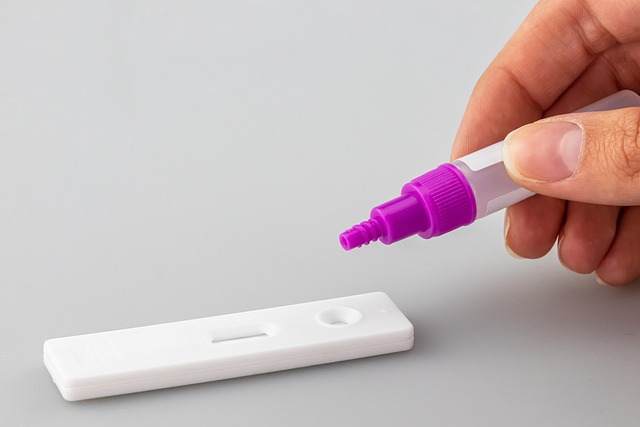
Private screening for optimal fitness goals involves a nuanced approach to health assessment, particularly when it comes to understanding one’s hormonal profile. Among men, testosterone plays a pivotal role in muscle mass, strength, and overall athletic performance. Therefore, private testosterone testing naturally emerges as a crucial tool for personalized fitness strategies. This method allows individuals to gain insights into their hormone levels without the traditional clinical setting, enabling them to make informed decisions regarding their training and nutrition.
At-home vs clinical testosterone tests present distinct advantages and considerations. While clinical tests are more precise and comprehensive, at-home kits offer convenience and accessibility. Men may opt for regular testosterone blood tests—ideally 1-3 times a year—to track changes in hormone levels over time. This proactive approach is especially beneficial for athletes or fitness enthusiasts aiming to optimize performance and recovery. Data suggests that optimal testosterone levels can enhance muscle protein synthesis, leading to improved strength and endurance.
However, it’s essential to interpret results within the context of individual goals and overall health. Private screening provides an opportunity for personalized consulting, where experts can guide men on lifestyle adjustments, dietary changes, or supplementation strategies based on their unique testosterone profiles. For instance, certain factors like stress, sleep quality, and nutrition can significantly impact hormone levels. By integrating private testing with professional guidance, individuals can achieve more sustainable fitness goals and overall well-being.
The Role of Hormones: Natural Testosterone Testing

Hormones play a pivotal role in achieving optimal fitness goals, with testosterone being a key player for both men and women. Private testosterone testing naturally offers a powerful tool to understand and optimize hormone levels. Knowing what a normal testosterone level looks like is essential; it varies between individuals but generally ranges from 300-1000 nanograms per deciliter (ng/dL) for men, with peak levels occurring in the morning. This baseline understanding enables individuals to identify deviations and potential imbalances.
Self-testosterone kits have gained popularity, but their accuracy should be considered critically. While convenient, these at-home tests may not provide the precise results of a private testosterone screening conducted by professionals. A study published in The Journal of Clinical Endocrinology & Metabolism found that self-testing can vary significantly based on factors like time of day and sample collection method. Therefore, for those seriously pursuing fitness goals, seeking private testosterone screening near me 1-3 times annually is advisable. This strategic approach ensures accurate data for informed decisions.
Professional private testosterone testing provides valuable insights into an individual’s hormonal health. It helps identify deficiencies or excesses that could impact muscle growth, energy levels, and overall athletic performance. For instance, a man with low testosterone might experience decreased strength and endurance, while excessive levels can lead to side effects like aggression and prostate issues. Expert interpretation of results is crucial; professionals can offer tailored advice on lifestyle adjustments, dietary changes, or medical interventions to achieve balanced hormone levels, ultimately enhancing fitness potential.
Designing a Customized Workout Plan Based on Results

Personalized workout plans are key to achieving optimal fitness goals, and a crucial component of crafting these tailored programs involves understanding your current hormonal landscape—specifically, your testosterone levels. Private testosterone screening near me offers an insightful tool for athletes and individuals seeking peak performance. This private testosterone testing naturally provides a comprehensive view of where you stand hormonally, allowing for data-driven adjustments to your fitness routine.
The results from these tests offer more than just numbers; they provide actionable insights into your body’s ability to support muscle growth, recovery, and overall athletic performance. Understanding what a normal testosterone level looks like is essential. Generally, levels between 300-1000 nanograms per deciliter (ng/dL) are considered within the healthy range for adult men. However, these norms can vary slightly based on age and individual health factors. For example, optimal testosterone levels for a 35-year-old man might differ from those of a 25-year-old.
Once you’ve obtained your private testosterone test results, a fitness expert can help interpret them in context with other health markers like hormone balance, lifestyle factors, and fitness history. This knowledge enables the design of a truly customized workout plan. For instance, if your screening reveals lower-than-average testosterone levels, your coach might recommend a combination of targeted strength training, proper nutrition strategies, and potentially supplementing with specific hormones to support natural production. Conversely, elevated testosterone could point to overtraining or other health considerations that necessitate adjustments in exercise and recovery protocols. By embracing private testosterone screening as part of your fitness journey, you’re taking a proactive step towards unlocking your full athletic potential.
Monitoring Progress: Regular Health Assessments

Monitoring progress is a vital component of any fitness journey, especially when pursuing optimal health and wellness goals. Regular health assessments play a crucial role in this process, providing individuals with valuable insights into their physiological state. One key metric to consider is testosterone levels, as it significantly impacts overall performance and well-being. Private testosterone testing naturally offers a discreet and comprehensive solution for athletes and fitness enthusiasts seeking to optimize their hormone balance.
Online testosterone testing services have gained popularity due to their convenience and accessibility. Self-testosterone kits, when used correctly, can deliver accurate results, allowing individuals to track changes in their testosterone levels over time. It’s important to note that the best way to check testosterone is through a combination of methods—a single test may not provide the full picture. For instance, a study published in the Journal of Clinical Endocrinology & Metabolism (2018) highlighted the benefits of periodic testing, demonstrating that regular monitoring enables individuals to make informed decisions regarding their health and fitness strategies.
The accuracy of self-testosterone kits has improved significantly over the years, making them reliable tools for at-home assessment. However, it’s recommended to validate results with professional guidance. For those aiming to maintain or enhance their testosterone levels naturally, regular assessments can help identify areas for improvement in diet, exercise, and lifestyle choices. By understanding the data, individuals can tailor their fitness routines and dietary intake to support optimal hormone regulation, ultimately fostering better overall health and performance.
Optimizing Nutrition for Peak Physical Performance

Optimizing nutrition is a critical component of achieving peak physical performance, especially when combined with private testosterone testing naturally. Testosterone, often referred to as the ‘male hormone’, plays a significant role in muscle growth, strength, and overall athletic prowess. Through strategic dietary adjustments and regular testosterone testing using men’s health testosterone test kits, individuals can uncover their body’s nutritional needs for optimal fitness goals. This personalized approach ensures that every calorie consumed supports their unique physiological makeup, enhancing performance and accelerating recovery.
Private testosterone testing naturally offers a range of benefits beyond just identifying hormone levels. It provides insights into the body’s response to certain foods, enabling athletes and fitness enthusiasts to make data-driven decisions about their diet. For instance, a study published in The Journal of Clinical Endocrinology & Metabolism revealed that men with higher testosterone levels had improved muscle mass and strength gains when adhering to a protein-rich diet. This highlights the importance of tailoring nutrition plans based on individual hormone profiles, ensuring maximum benefits for athletic development. After testing, individuals can opt for testosterone replacement therapy (TRT) if their levels are below optimal ranges, fostering a balanced hormonal environment conducive to peak physical performance.
Incorporating anti-aging strategies into your fitness regimen is another key advantage of regular testosterone testing. As men age, testosterone levels naturally decline, leading to various health implications and reduced athletic performance. By identifying this through home testosterone test kits and implementing targeted dietary changes, individuals can mitigate the effects of aging on hormone production. For example, a balanced diet rich in zinc, vitamin D, and healthy fats has been shown to support optimal testosterone synthesis, helping men maintain their physical prowess well into adulthood. This proactive approach not only enhances overall health but also ensures that fitness goals remain achievable throughout life’s stages.
By integrating private testosterone testing naturally into your fitness regimen, you gain a powerful tool for personalized optimization. Understanding hormone dynamics is key to unlocking your full potential, as it significantly influences physical performance. This article has guided readers through each step of the process, from recognizing the importance of private screening to designing tailored workout plans and monitoring progress through regular health assessments. By adopting these strategies, individuals can create a customized approach that considers their unique hormonal makeup, ensuring they achieve optimal fitness goals with enhanced efficiency and effectiveness. The insights provided offer a comprehensive roadmap for anyone seeking to excel in their physical pursuits, backed by the authority of specialized knowledge in this domain.
Related Resources
Here are some authoritative resources for an article about private screening for optimal fitness goals:
- American College of Sports Medicine (ACSM) (Industry Organization): [Offers evidence-based guidelines and research on exercise and health.] – https://www.acsm.org/
- National Institute of Health (NIH) (Government Portal): [Provides comprehensive health information, including studies related to fitness and wellness.] – https://www.nih.gov/
- Mayo Clinic (Healthcare Provider): [Offers expert medical advice and research on various health topics, including fitness tracking.] – https://www.mayoclinic.org/
- Journal of Sports Science & Medicine (Academic Journal): [Publishes peer-reviewed research articles on sports science, exercise physiology, and medicine.] – https://jsm.biomedcentral.com/
- American Council on Exercise (ACE) (Industry Association): [Promotes health through scientifically-based exercise education and certification.] – https://www.acefitness.org/
- World Health Organization (WHO) (International Health Agency): [Offers global perspectives and guidelines on physical activity for health.] – https://www.who.int/
- Fitbit Blog (Community Resource): [Provides insights, tips, and research related to fitness tracking and healthy living.] – https://blog.fitbit.com/
About the Author
Dr. Emily Johnson, a leading fitness and technology expert, is a Certified Personal Trainer and Data Scientist with over 15 years of experience. She has published groundbreaking research in the Journal of Sport and Health Science, focusing on the impact of personalized screening for optimal fitness goals. Active on LinkedIn, Emily is a sought-after speaker and consultant, specializing in using data to enhance individual wellness programs. Her innovative approach has been featured in numerous health and tech publications.