Private testosterone testing naturally is a proactive step for optimizing hormonal health. This method combines strategic dietary practices with lifestyle adjustments like exercise and sleep to regulate balanced T levels. Key insights include:
– Dietary strategies focusing on zinc, vitamin D, whole foods, and addressing intolerances.
– Regular exercise, particularly HIIT and resistance training, stimulates natural T release.
– Balanced diet, adequate sleep, and managing conditions like insulin resistance are crucial.
– Comprehensive hormone panels guide personalized plans for enhancing testosterone naturally.
Testosterone plays a pivotal role in male health, influencing everything from muscle mass to mood. However, as we age, natural testosterone levels tend to decline, leading many to seek effective solutions. Privately testing your testosterone levels is a crucial first step, allowing you to understand your baseline and track any changes. Fortunately, nature offers a wealth of resources for boosting T naturally through dietary adjustments, targeted exercises, and lifestyle optimizations. In this comprehensive guide, we delve into these strategies, empowering you to make informed decisions about your health and well-being.
- Understand Testosterone: Its Role & Natural Regulation
- Lifestyle Adjustments for Healthy Testosterone Levels
- Dietary Strategies to Boost Testo Naturally
- Private Testosterone Testing: Tracking Your Progress Naturally
Understand Testosterone: Its Role & Natural Regulation
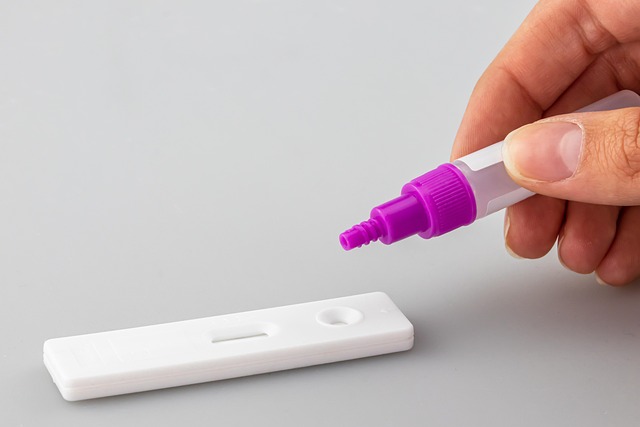
Testosterone, often referred to as the ‘manly hormone’, plays a pivotal role in various bodily functions, primarily impacting male sexual development and overall well-being. It is essential for muscle mass maintenance, bone density, energy levels, and libido. Understanding testosterone’s natural regulation is crucial when exploring all-natural ways to boost T levels. This involves recognizing the body’s intricate balance and the factors that influence its production.
The pituitary gland in the brain acts as a master regulator, releasing hormones like Gonadotropin-Releasing Hormone (GnRH) which stimulates the testes to produce testosterone. A delicate feedback loop ensures that testosterone levels are maintained within a narrow range. This intricate system involves the liver converting testosterone into various byproducts, which then feed back into the brain, signaling when more or less hormone is required. Natural factors like exercise and nutrition play a significant role in this regulation. For instance, intense strength training has been shown to increase testosterone levels, while a balanced diet rich in zinc, vitamin D, and healthy fats can support optimal hormone production.
Private testosterone testing naturally allows individuals to gain insights into their hormone levels without the traditional clinical setting. This method provides an opportunity for proactive health management. In Nottingham, for instance, many clinics offer private blood tests for testosterone, enabling men to track changes in their hormone levels over time. It is important to note that while natural methods can support healthy testosterone production, conditions like diabetes can impact hormone levels. A male hormone blood test in Manchester, for example, might reveal valuable information for individuals with diabetes, helping to manage the condition and its potential hormonal implications. Regular monitoring, guided by expert advice, is key to maintaining optimal testosterone levels naturally.
Lifestyle Adjustments for Healthy Testosterone Levels

Maintaining healthy testosterone levels is a multifaceted approach, and lifestyle adjustments play a pivotal role in this process. Testosterone, often referred to as the ‘manly hormone’, is crucial for various physiological functions, including muscle mass development, bone density, and overall libido. However, modern lifestyles can impact its production, leading many individuals to seek all-natural ways to boost T levels. One effective strategy involves adopting a holistic approach that combines dietary changes, regular exercise routines, stress management techniques, and adequate sleep—all of which can be optimized through personalized guidance.
Private testosterone testing has gained popularity as a means to assess an individual’s hormonal balance. This direct method allows for tailored recommendations, especially when coupled with comprehensive health evaluations like diabetes blood tests in Cambridge or thyroid blood tests. By analyzing various markers, healthcare professionals can identify underlying issues that might hinder optimal testosterone production. For instance, insulin resistance, often indicated by elevated blood sugar levels, is a known factor affecting T production and can be addressed through lifestyle modifications, such as improved dietary choices and increased physical activity. Similarly, liver health, assessed through blood tests in Leeds, plays a significant role in hormone regulation, emphasizing the importance of maintaining a healthy liver function to support normal testosterone levels.
Incorporating regular exercise is a powerful tool for boosting testosterone naturally. High-intensity interval training (HIIT) and resistance exercises have been shown to stimulate testosterone release. For instance, a study published in The Journal of Strength and Conditioning Research found that just 15 minutes of HIIT can significantly increase testosterone levels in men. Moreover, maintaining a balanced diet rich in essential nutrients supports hormonal harmony. Zinc, for example, is vital for testosterone synthesis, and foods like oysters, pumpkin seeds, and beef are excellent sources. Adequate sleep, typically between 7-9 hours for adults, is also critical, as it is when the body produces the most testosterone. By integrating these lifestyle adjustments, individuals can take proactive steps towards maintaining healthy testosterone levels naturally.
Dietary Strategies to Boost Testo Naturally
The foundation of a healthy testosterone (T) level lies in dietary strategies and overall nutritional habits. When considering all-natural ways to boost T, diet plays a pivotal role, often more significant than commonly perceived. A comprehensive approach involves understanding the impact of food on hormone production, identifying nutrient deficiencies, and adopting an evidence-based eating plan. It’s important to note that individual responses to dietary changes can vary, hence the value of private testosterone testing as a personalized tool.
One effective strategy is to focus on whole, unprocessed foods known for their hormonal benefits. For instance, zinc-rich diets have been linked to higher T levels, with foods like oysters, pumpkin seeds, and beef providing this essential mineral. Similarly, vitamin D deficiency is associated with reduced testosterone, so incorporating sunlight exposure or vitamin D-rich foods such as fatty fish and egg yolks can be beneficial. In terms of practical advice, a balanced diet rich in lean proteins, healthy fats, and complex carbohydrates forms the backbone of T-boosting nutrition.
Beyond dietary choices, addressing underlying food intolerances or allergies could offer substantial improvements. A food intolerance test, for instance, in Cambridge, might reveal sensitivities to common allergens like dairy or gluten, which can negatively affect hormone production. Likewise, a female fertility blood test in Birmingham can identify nutritional deficiencies specific to women that may impact reproductive health and T levels. By resolving these issues through tailored dietary adjustments, individuals can experience significant improvements in their T profiles naturally.
Additionally, monitoring thyroid function through regular blood tests is essential, as the thyroid hormone regulates metabolism and impacts testosterone production. A balanced thyroid ensures optimal T levels; thus, a thyroid blood test in Sheffield can be a valuable tool for those seeking to optimize their natural testosterone boost. Incorporating these strategic dietary practices, combined with regular private testosterone testing, allows individuals to take control of their hormonal health in a safe and effective manner.
Private Testosterone Testing: Tracking Your Progress Naturally

Testing your testosterone levels naturally is a crucial step towards optimizing your health and well-being. Private testosterone testing allows individuals to take control of their hormonal balance and make informed decisions about their diet, exercise, and lifestyle choices. This proactive approach can be particularly beneficial for those seeking to enhance their energy levels, improve athletic performance, or simply maintain optimal health as they age.
One effective way to measure your testosterone naturally is through a comprehensive hormone panel, often including vitamin D blood test Bournemouth, thyroid blood test Bristol, and vitamin B12 blood test Leicester. These tests provide valuable insights into various aspects of your hormonal profile. For instance, vitamin D deficiency has been linked to low testosterone levels, so monitoring your vitamin D levels can be an essential part of a holistic approach to boosting testosterone naturally. Similarly, thyroid health plays a significant role in regulating hormone production, making regular thyroid blood tests Bristol crucial for maintaining balanced testosterone levels.
Upon receiving your test results, you can work closely with healthcare professionals to interpret the data and develop a customized strategy. This might involve dietary adjustments, such as increasing vitamin B12-rich foods or incorporating more sun exposure to boost vitamin D levels. Regular exercise, particularly resistance training, has also been shown to enhance testosterone production naturally. Additionally, stress management techniques, adequate sleep, and maintaining a healthy body weight can all positively impact your hormone levels. By combining these natural strategies with personalized guidance from experts, individuals can effectively track their progress and achieve optimal testosterone levels over time.
By understanding testosterone’s crucial role in overall health and its natural regulation, readers can now make informed decisions to boost their T levels naturally. Lifestyle adjustments, such as regular exercise and stress management, play a significant part in maintaining healthy testosterone. Additionally, dietary choices matter; incorporating zinc, vitamin D, and healthy fats into the diet can support natural testosterone production. Private testosterone testing naturally allows individuals to track their progress and make data-driven adjustments. Armed with these insights, readers are empowered to take control of their health and embrace a holistic approach to boosting testosterone levels safely and effectively.