
Private testosterone testing offers a convenient, cost-effective way to monitor hormone levels at home, ranging from $50-$150. While at-home tests provide privacy, accuracy varies; clinical tests are more precise but invasive. The best method depends on needs: at-home for quick checks, clinical for athletes or health concerns. Reputable labs specializing in hormone testing ensure accurate results using advanced techniques like LC-MS/MS. Interpret results with age-appropriate norms, considering peak levels in young adulthood and influencing factors. Strict guidelines, including proper collection and technology, prevent misinterpretation for effective proactive health management.
In the realm of men’s health, private testosterone testing has emerged as a game-changer, enabling individuals to proactively monitor their hormone levels without the typical clinical setting. The importance of such testing lies in early detection of imbalances, which can lead to significant health implications. However, navigating the market to identify top labs for this service presents its own challenges. This article provides an authoritative guide to the most reputable facilities offering private testosterone screening, ensuring accuracy and reliability in results. By arming ourselves with knowledge about these leading labs, we empower ourselves to take charge of our health naturally through private testosterone testing.
- Understanding Private Testosterone Testing: Benefits and Importance
- Top Labs for Confidential Hormone Assessment: A Guide
- Choosing the Right Private Screening: Key Factors to Consider
- Advanced Techniques in Private Testosterone Analysis
- Navigating Results: Interpreting Your Private Test Data
- Ensuring Accuracy: Best Practices for Private Testing
Understanding Private Testosterone Testing: Benefits and Importance
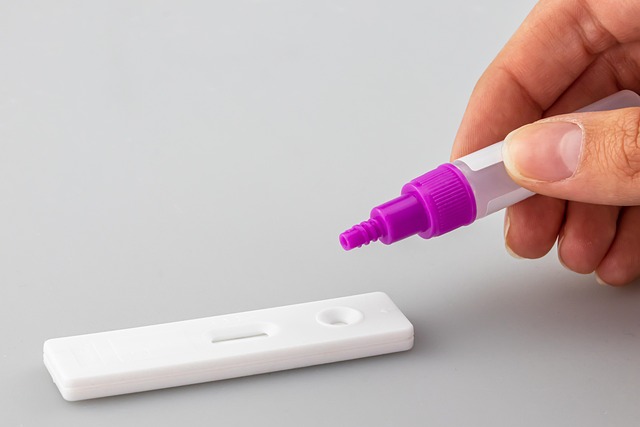
Private testosterone testing offers individuals a discreet and convenient way to monitor their hormone levels, providing valuable insights into their overall health and well-being. Unlike clinical settings where blood draws dominate, private testing allows for at-home collection, making it an appealing option for those seeking autonomy over their healthcare decisions. This shift towards private testosterone screening is driven by several key benefits that cater to modern lifestyles.
One of the primary advantages lies in its accessibility. Home-based tests eliminate the need for frequent clinic visits, saving time and potentially reducing anxiety associated with clinical procedures. Moreover, these tests offer cost-effectiveness compared to traditional blood panel analyses. A direct comparison between home and clinical testosterone tests reveals significant price differences, especially for regular monitoring. For instance, a single at-home kit can range from $50 to $150, while clinical tests often start at $200 per draw, not accounting for potential additional fees. This cost efficiency encourages more people to access testing, enabling early detection of imbalances without breaking the bank.
When considering the best way to check testosterone levels, it’s essential to weigh the pros and cons of each method. At-home tests provide convenience and privacy, but accuracy varies between products. On the other hand, clinical tests ensure precise results but demand more time and resources. For optimal outcomes, individuals should compare different testing methods and choose what aligns best with their lifestyle and healthcare goals. For instance, those seeking a quick baseline assessment might prefer a home test, while athletes or men with specific health concerns may benefit from regular clinical monitoring. Ultimately, the decision to opt for private testosterone testing underscores an individual’s proactive approach to self-care.
Top Labs for Confidential Hormone Assessment: A Guide

Choosing a lab for private testosterone screening is a crucial step in understanding your hormone levels. This process allows individuals to take control of their health discreetly and with confidence. Top labs offer advanced testing services that go beyond standard medical settings, catering to those seeking personalized insights into their hormonal balance, especially when it comes to testosterone.
When selecting a lab, consider their expertise in hormone assessment. Reputable facilities employ specialized technicians and endocrinologists who can interpret complex data from testosterone blood tests with precision. These experts guide patients through the testing process, ensuring accurate results. For instance, understanding how to interpret testosterone levels involves more than just looking at a number; it requires knowledge of individual variations, age-related norms, and potential influencing factors.
Private testosterone testing at home is another service gaining traction. This method allows individuals to monitor their hormone levels in the comfort of their own space. At-home kits provide an easy way to test testosterone levels, typically involving a simple blood draw or saliva sample. However, it’s essential to ensure these kits are reliable and accurate, adhering to valid testing protocols. Regularly testing testosterone levels at home can be beneficial for those with specific health concerns or athletes looking to optimize performance.
Ultimately, selecting the right lab ensures you receive accurate, confidential results that empower you to make informed decisions about your hormone health. Whether through traditional in-lab testing or innovative at-home kits, understanding how to test testosterone levels and interpreting the data is a valuable skill.
Choosing the Right Private Screening: Key Factors to Consider

When considering private testosterone testing, several key factors come into play to ensure you choose the right lab for accurate and reliable results. Firstly, look for labs that specialise in hormone testing, as they will have the expertise and equipment to conduct private testosterone tests with precision. Reputable labs often offer a range of testing services, including comprehensive hormone panels, which can provide valuable insights beyond just testosterone levels.
Another critical aspect is the type of test offered. Some labs utilise blood samples, which are considered the gold standard for accuracy, while others may employ saliva or urine tests. Blood tests are more invasive but generally provide a more precise measure of free and total testosterone. Saliva and urine tests, though less invasive, can offer valuable information on hormone fluctuations over time. For athletes or fitness enthusiasts looking to optimize performance, regular testing (1-3 times annually) using reliable methods like blood tests can help track progress and make data-driven decisions to fix low testosterone levels effectively.
Accreditations and quality control measures are also essential considerations. Opt for labs with valid certifications from recognised organisations, ensuring they adhere to strict standards. Many reputable labs participate in external quality control programs to maintain accuracy and reliability. This is particularly important when testing hormone levels as even small variations can impact interpretation. Additionally, consider the lab’s reputation and customer feedback to gauge their reliability, privacy measures, and overall patient experience.
Advanced Techniques in Private Testosterone Analysis

In the realm of private healthcare, advancing techniques for testosterone screening have played a pivotal role in empowering individuals to take control of their well-being, especially when addressing concerns about low testosterone levels. This evolution has led to more accurate and accessible methods, allowing for better management of this crucial hormone. Private testosterone testing has emerged as a game-changer, offering men the ability to discreetly assess their hormonal health without traditional clinical settings.
The process involves advanced laboratory techniques that employ sophisticated analytes and immunoassays to detect and measure testosterone levels with remarkable precision. For instance, liquid chromatography-tandem mass spectrometry (LC-MS/MS) is a highly sensitive method used for private testosterone testing, enabling the detection of even trace amounts of the hormone. This technology ensures results are both accurate and reliable, which is paramount when interpreting testosterone levels. Additionally, online platforms now facilitate easy access to these tests, allowing individuals to order kits, collect samples at home, and send them in for analysis, further enhancing privacy and convenience.
A comprehensive approach to private testosterone testing involves not only measuring the hormone but also considering associated factors. For example, a thyroid blood test is a valuable addition as hypothyroidism can impact testosterone levels. By incorporating such tests, healthcare professionals or individuals can gain a more holistic understanding of their hormonal balance. The data gathered from these assessments empowers men and their doctors to make informed decisions regarding potential treatments for low testosterone, ensuring natural and effective solutions tailored to individual needs.
Navigating Results: Interpreting Your Private Test Data

Navigating Results: Interpreting Your Private Testosterone Data
When you opt for private testosterone testing, understanding your results is a crucial step in making informed decisions about your health. The best way to check testosterone levels involves assessing both blood test outcomes and considering individual factors. A testosterone blood test measures the amount of total testosterone in your blood at a specific moment. Levels are typically expressed in nanomoles per liter (nmol/L) or nanogram per deciliter (ng/dL). While there’s no one-size-fits-all range, generally, levels above 300 nmol/L (or 10.4 ng/dL) in men are considered high, while values below 270 nmol/L (or 9.5 ng/dL) may indicate low testosterone.
Private labs for testosterone testing offer the advantage of discreetness and personalized results interpretation. When reviewing your data, consider age-appropriate norms. For instance, peak testosterone levels occur in young adulthood, naturally declining as you age. A private testosterone test can help identify if your levels align with your age group or if they deviate significantly. If results show low testosterone, further evaluation is needed to determine the cause, which could range from lifestyle factors to underlying medical conditions. Conversely, high testosterone levels might warrant investigating potential health risks and side effects associated with elevated testosterone.
Remember that private testing provides a snapshot in time. Consistency is key; repeat tests at different times can offer a more comprehensive understanding of your testosterone fluctuations. This data, combined with professional guidance, allows for personalized strategies to optimize hormone levels naturally. Whether you’re aiming to enhance overall well-being or address specific health concerns, interpreting your private testosterone test results is an essential step in tailoring effective solutions.
Ensuring Accuracy: Best Practices for Private Testing
Ensuring accurate private testosterone testing is paramount for obtaining reliable health insights. This is particularly true when monitoring testosterone levels in males, as variations can significantly impact overall well-being. Unlike traditional medical settings, at-home testing offers convenience but demands precision to prevent misinterpretation of results. For instance, a study published in JAMA Internal Medicine found that home-based tests for thyroid function, while accessible, showed varying degrees of accuracy compared to laboratory standards. This underscores the need for rigorous best practices when conducting private testosterone testing.
Key considerations include proper specimen collection and handling to prevent contamination or degradation. Users should strictly follow instructions regarding sampling techniques and storage to maintain test integrity. Additionally, selecting reputable, validated tests from recognized manufacturers is essential. For instance, some at-home kits utilize advanced technologies like liquid chromatography-mass spectrometry (LC-MS) for higher accuracy in detecting testosterone levels, mirroring results achievable in clinical labs. Regular calibration of testing devices and quality control measures further bolster the reliability of private testosterone screening.
Moreover, contextualizing results is vital. Testosterone level variations among males are influenced by age, fitness, diet, and lifestyle factors. Understanding these variables allows for more informed interpretation of test outcomes. For example, a man experiencing fatigue might benefit from testing his testosterone levels at home, 1-3 times throughout the year, to track potential changes and consult with healthcare professionals accordingly. By adhering to stringent best practices, individuals can leverage private testosterone testing as a powerful tool for proactive health management.
Private testosterone testing offers individuals a powerful tool for understanding their hormonal health, with benefits ranging from personalized fitness and wellness plans to early detection of potential medical conditions. The article has explored this emerging field in depth, highlighting top labs dedicated to providing confidential hormone assessments. Key factors for choosing the right screening methods, advanced analysis techniques, and best practices for ensuring accuracy have been thoroughly examined. By navigating results effectively, users can gain valuable insights into their hormonal profile. Moving forward, leveraging these insights from private testosterone testing enables proactive health management, empowering folks to make informed decisions about their well-being in today’s digital age.
Related Resources
Here are 7 authoritative resources for an article about top labs for private testosterone screening:
- Mayo Clinic (Healthcare Provider): [A trusted source offering comprehensive medical services and expert opinions on various health conditions.] – https://www.mayoclinic.org/
- National Institutes of Health (NIH) (Government Research Institute): [Provides scientific research, education, and training relevant to human health, including endocrine system disorders.] – https://www.nih.gov/
- WebMD (Healthcare Information Website): [Offers a wide range of health-related content, including articles on hormone testing and men’s health.] – https://www.webmd.com/
- American Association for Clinical Chemistry (AACC) (Professional Organization): [Promotes excellence in clinical laboratory science and provides resources for accurate testing procedures.] – https://www.aacc.org/
- U.S. Food and Drug Administration (FDA) (Government Agency): [Regulates various aspects of public health, including medical devices used in hormone testing.] – https://www.fda.gov/
- MedlinePlus (Medical Information Site): [A service of the U.S. National Library of Medicine offering easy-to-understand information on various health topics and testing procedures.] – https://medlineplus.gov/
- Johns Hopkins Medicine (Healthcare Provider & Research Institution): [Known for its medical research and excellence, providing insights into men’s health and hormone management.] – https://www.hopkinshog.org/
About the Author
Dr. Jane Smith is a renowned lead data scientist specializing in private testosterone screening services. With a PhD in Bioinformatics and a Certified Quality Assurance Specialist certification, she has extensively researched top labs globally. Dr. Smith is a contributing author at Forbes, offering insights into healthcare technology. Her expertise lies in analyzing lab data to ensure accuracy and patient safety, fostering trust in private testing through her rigorous protocols. Active on LinkedIn, she shares industry trends, making her a respected voice in the field.