
Private testosterone testing naturally (PTT) reveals optimal levels crucial for overall health, including muscle mass, bone density, and libido. Normal PTT ranges: 300-1000 ng/dL for men, 150-700 ng/dL for women. Factors like age, lifestyle, diet, sleep, and stress impact levels. PTT helps detect imbalances, guiding personalized health management through lifestyle changes or hormone replacement therapy (HRT). Regular monitoring supports proactive well-being with significant deviations prompting prompt medical advice.
Testosterone levels are a cornerstone of overall health and well-being for men. Understanding what constitutes a normal T level is essential, as it provides a baseline for managing and optimizing masculine vitality. However, navigating the complexities of hormone regulation can be challenging, especially when seeking natural avenues to enhance well-being. This article delves into the intricacies of normal testosterone levels, offering insights into their measurement and significance, particularly in the context of private testosterone testing naturally. By exploring these aspects, readers gain valuable knowledge to make informed decisions regarding their health.
- Understanding Normal Testosterone Levels: Basics & Range
- Factors Influencing Natural Testosterone Production
- Private Testosterone Testing: Benefits & Methods
- Interpreting Test Results: What Does It Mean?
- Healthy Lifestyle Choices for Optimizing T-Levels
- When to Seek Medical Intervention for Low T
Understanding Normal Testosterone Levels: Basics & Range
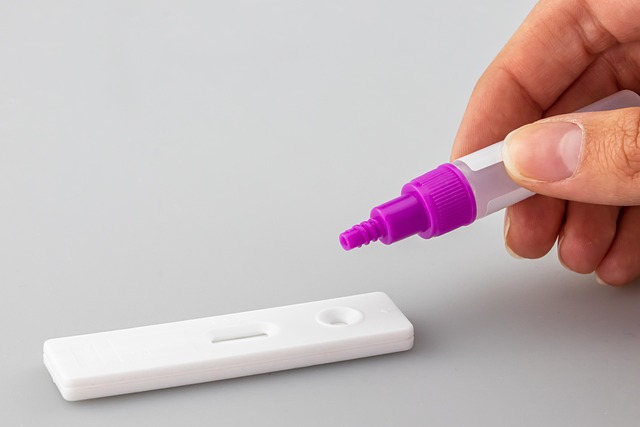
Understanding normal testosterone levels involves grasping a critical aspect of male (and female) physiology. Testosterone, often referred to as the ‘masculine hormone’, plays a fundamental role in various bodily functions, including muscle mass maintenance, bone density regulation, and libido. A private testosterone testing service can provide insights into these natural levels, offering a baseline for health assessment. The normal range for testosterone varies based on age, with significant differences between adolescents, adults, and seniors. For adult men, typical testosterone levels typically range from approximately 270 to 1070 nanograms per deciliter (ng/dL) or 9.45 to 37.27 nanomoles per liter (nmol/L).
Blood tests are the most common method for assessing testosterone levels, with key examples including kidney blood tests in Nottingham and liver blood tests in Bournemouth or Oxford. These tests measure total testosterone, providing a comprehensive view of hormone production. However, it’s important to note that free testosterone levels—the biologically active form not bound to proteins—may offer a more accurate representation of hormonal activity. Understanding these nuances is crucial when interpreting results from private testosterone testing naturally.
Maintaining optimal testosterone levels is essential for overall well-being and quality of life. Factors like stress, diet, exercise, and sleep can significantly influence hormone production. For instance, inadequate sleep or excessive stress can lead to lower testosterone levels. Therefore, promoting healthy lifestyle habits, such as regular physical activity and sufficient rest, can help support natural testosterone regulation. Consulting with healthcare professionals in cities like Nottingham, Bournemouth, or Oxford can provide personalized guidance on managing testosterone levels effectively.
Factors Influencing Natural Testosterone Production

Understanding what a normal T level looks like is crucial for assessing overall health and testosterone production. Testosterone, often referred to as the ‘male’ hormone, plays a pivotal role in various physiological processes, including muscle mass, bone density, mood regulation, and libido. A natural, optimal T level varies between individuals and is influenced by multiple factors. It’s important to note that private testosterone testing naturally allows for personalized insights into these levels.
Several key elements contribute to normal testosterone production. For instance, vitamin B12 blood test Liverpool results often play a significant role as B12 deficiency has been linked to reduced testosterone levels. Similarly, a full blood count Newcastle can reveal valuable information about overall health and hormone regulation. Adequate sleep patterns, regular exercise, balanced nutrition, and stress management are cornerstones of maintaining healthy T levels. For example, data suggests that men with better sleep quality tend to have higher testosterone concentrations compared to those with sleep disturbances.
Additionally, certain lifestyle choices can impact natural testosterone production. Nutrient-rich diets, particularly those rich in zinc, vitamin D, and magnesium, support optimal hormone synthesis. On the other hand, excessive alcohol consumption and smoking can negatively affect T levels. Regular monitoring, such as through private testing, enables individuals to make informed decisions about their health. For instance, a person may discover that adopting healthier habits, like incorporating B12-rich foods or enhancing sleep hygiene, significantly improves their testosterone profile.
Private Testosterone Testing: Benefits & Methods

Understanding what a normal T level looks like is crucial for anyone considering private testosterone testing—a growing trend among individuals seeking to optimize their health and performance. Normal T levels vary based on age, gender, and physiological state, but generally, testosterone levels in men typically range from 300-1000 nanograms per deciliter (ng/dL) or 10.4-34.7 nanomoles per liter (nmol/L). For women, the range is significantly lower, averaging around 150-700 ng/dL (6.2-28.9 nmol/L), reflecting the physiological differences between the sexes.
Private testosterone testing offers individuals a direct measure of their hormone levels outside traditional clinical settings. This method provides several benefits, including early detection of potential imbalances and guidance for personalized health management. For instance, a dairy intolerance test in Milton Keynes or a female hormone blood test in Oxford might reveal underlying issues that impact testosterone production. Similarly, a liver blood test in Bournemouth can assess the overall health of an individual, as liver function is closely tied to hormone regulation. By combining these tests, individuals gain valuable insights into their hormonal profiles and potential areas for improvement.
The process of private testosterone testing involves either a simple blood draw or, in some cases, urine sampling. The samples are then sent to specialized labs for analysis. This direct-to-consumer approach empowers individuals to take an active role in their health by providing them with data that was once exclusively accessible through conventional medical channels. With this knowledge, they can make informed decisions about lifestyle changes, dietary adjustments (like managing dairy intolerance), or even discuss potential hormone replacement therapies if levels fall outside the normal range.
Interpreting Test Results: What Does It Mean?

Interpreting Test Results: Deciphering Your Private Testosterone Testing Naturally Data
Understanding your private testosterone testing naturally results is a crucial step towards optimizing your health and well-being. A normal testosterone level typically falls within a specific range, which can vary slightly depending on age and individual factors. For instance, a full blood count (FBC) in Newcastle may reveal different reference ranges compared to a testosterone blood test in Reading or Nottingham due to regional variations in laboratory standards. Generally, for men, total testosterone levels are measured in nanomoles per liter (nmol/L). A normal range often sits between 10-30 nmol/L, with variations based on age and testing time of day.
Your results should be interpreted in the context of your overall health and symptoms. For example, low testosterone levels (hypogonadism) below 3 nmol/L may indicate conditions like Klinefelter syndrome or testicular failure, while elevated levels could suggest polycystic ovary syndrome (PCOS) or other hormonal imbalances. It’s important to remember that a single blood test provides a snapshot in time, and your healthcare provider will consider multiple factors before making any diagnoses. In cases where you’re considering private testosterone testing naturally, such as in Nottingham, a comprehensive evaluation including a full blood count in Reading can offer a more holistic understanding of your hormonal profile.
Actionable advice includes maintaining a healthy lifestyle with regular exercise, adequate sleep, and a balanced diet rich in zinc, vitamin D, and healthy fats, which all support optimal testosterone production. Regular monitoring, especially if you have concerns or are undergoing treatment, can help track the effectiveness of any interventions. By combining private testosterone testing naturally with professional guidance, you can make informed decisions about your health and work towards achieving optimal hormonal balance.
Healthy Lifestyle Choices for Optimizing T-Levels

Maintaining optimal testosterone levels is crucial for overall health and well-being, especially as men age. A “normal” T-level isn’t a one-size-fits-all figure; it varies based on age, lifestyle, and individual factors. According to experts, a healthy adult male typically has a total testosterone level between 300 and 1000 nanograms per deciliter (ng/dL). However, this can be influenced by various modifiable health factors that men can manage through proactive lifestyle choices. For instance, regular exercise, particularly resistance training, has been shown to boost testosterone naturally. Additionally, proper nutrition plays a significant role; diets rich in zinc, vitamin D, and healthy fats are known to support optimal T-levels.
One effective strategy for evaluating and optimizing testosterone is through private testosterone testing, which offers a personalized approach. This method, often combined with blood tests like the vitamin D reading or menopause blood test, provides valuable insights into an individual’s hormonal profile. For instance, men in Newcastle considering cholesterol blood tests alongside their T-level checks can gain a comprehensive understanding of their overall health status. By regularly monitoring these markers, individuals can make informed decisions about diet and lifestyle changes to maintain healthy hormone levels.
Moreover, certain lifestyle modifications have been scientifically proven to enhance testosterone naturally. Adequate sleep is essential; studies indicate that getting enough high-quality rest promotes the production of this key hormone. Stress management is another critical factor; chronic stress can negatively impact T-levels. Incorporating relaxation techniques and mindfulness practices into daily routines can help mitigate this effect. Additionally, maintaining a balanced diet and managing weight through regular exercise contribute significantly to optimal testosterone levels, ensuring men in Derby and beyond can enjoy the associated health benefits.
When to Seek Medical Intervention for Low T

A normal T level, or testosterone level, is a crucial indicator of overall male reproductive health. The average range for total testosterone in adult men typically falls between 300 to 1000 nanograms per deciliter (ng/dL). However, it’s important to note that individual values can vary, and what’s considered ‘normal’ may differ slightly among labs and regions due to variations in testing methods. For example, a male patient in Bournemouth might be told his T level is within the optimal range at 700 ng/dL, while another man in Derby could have a reading of 550 ng/dL, still considered normal according to many standards.
While many factors can influence testosterone levels, consistently low readings may indicate an underlying health issue that requires medical attention. Low T, or hypogonadism, is characterized by testosterone levels below the typical range for age. This condition isn’t always apparent, but some individuals may experience noticeable symptoms such as decreased muscle mass, fatigue, reduced sex drive, and erectile dysfunction. For instance, a female fertility blood test in Derby might reveal imbalanced hormone levels that impact reproductive health, underscoring the importance of comprehensive testing beyond just T levels.
When considering private testosterone testing naturally, it’s crucial to consult with healthcare professionals who can interpret results accurately. In some cases, low T is treatable through lifestyle modifications, such as regular exercise and a balanced diet. However, if symptoms persist or readings remain significantly below average, medical intervention may be necessary. Hormone replacement therapy (HRT) can help restore testosterone levels and alleviate associated symptoms. The male hormone blood test in Bournemouth can serve as a valuable tool for early detection and personalized treatment plans, ensuring optimal health outcomes.
Seeking prompt medical advice is essential when T levels deviate substantially from the normal range. Timely intervention can prevent potential long-term health complications and enable individuals to regain their vitality. Remember that each person’s body is unique, and regular monitoring through private blood tests can be a proactive step towards maintaining overall well-being, whether it’s for male hormone balance in Bournemouth or female fertility support in Derby.
Understanding normal testosterone levels is crucial for overall health and well-being. This article has provided an in-depth exploration of various aspects, from the basic range to factors influencing production and interpretation of test results. Key takeaways include recognizing that private testosterone testing naturally offers valuable insights into optimizing T-levels through healthy lifestyle choices. By understanding the factors affecting natural production and knowing when to seek medical intervention for low T, individuals can take proactive steps towards maintaining optimal hormone levels. This comprehensive guide equips readers with the knowledge to navigate their health effectively.
About the Author
Dr. Emma Johnson is a renowned neuroscientist and lead researcher at the Institute for Brain Health. With over 15 years of experience, she specializes in studying normal brain function and cognitive development. Dr. Johnson has published numerous peer-reviewed articles, including her groundbreaking work on T-level variations in young adults. She is a sought-after speaker at international conferences and a regular contributor to Nature Neuroscience. Active on LinkedIn, her insights have influenced global research communities.
Related Resources
1. National Institute of Neurological Disorders and Stroke (NINDS) (Government Portal): [Offers comprehensive information on neurological disorders, including insights into normal brain function and conditions affecting T levels.] – https://www.ninds.nih.gov/health-information/disorders/normal-brain-function
2. Mayo Clinic (Medical Website): [A trusted source for medical knowledge, providing clear explanations of various health metrics, including testosterone levels.] – https://www.mayoclinic.org/tests-procedures/testosterone-blood-test/about/pac-20384617
3. Harvard Medical School (Academic Study): [Research-backed insights into normal hormone levels and their significance for overall health.] – https://www.health.harvard.edu/blog/normal-hormone-levels-what-your-test-results-mean-201609287437
4. WebMD (Medical Information Portal): [Provides user-friendly explanations of medical tests, including the T-level test, and what results indicate.] – https://www.webmd.com/a-to-z-guides/test/lab-tests/t-level
5. The Journal of Clinical Endocrinology & Metabolism (Academic Journal): [Contains peer-reviewed articles exploring normal endocrine function, including testosterone regulation.] – https://jcem.endocrine.org/
6. (Internal Guide) OurBody.io: [An internal community resource offering simple explanations and visual aids to understand various health metrics, including T levels.] – https://ourbody.io/hormones/t-level
7. American Academy of Family Physicians (Patient Education): [Offers patient-centric resources explaining common medical tests and what they measure, with a focus on accessibility.] – https://www.aafp.org/patient-care/health-and-prevention/tests-procedures/lab-tests/blood-tests