
Private testosterone testing naturally provides accessible insights into hormonal health for men with low T levels. Key causes include age-related decline and medical conditions affecting liver or kidneys. Symptoms vary from decreased energy to mood swings and concentration difficulties. Early recognition enables proactive discussions with healthcare professionals for tailored natural remedies and lifestyle adjustments, such as dietary changes, stress management, regular exercise, and quality sleep. Lifestyle interventions shown to improve testosterone levels include HIIT exercises, zinc-rich foods, vitamin D, and managing food intolerances. Comprehensive hormone panels consider estrogen, progesterone, and cholesterol levels for a holistic assessment. Natural supplements like ashwagandha may help, but consulting healthcare professionals is crucial for safe, tailored remedies.
Low testosterone levels can significantly impact a man’s overall health and well-being, affecting energy, muscle mass, libido, and bone density. While conventional treatments exist, many seek natural solutions to restore balance. Private testosterone testing naturally at home offers a promising approach, empowering individuals to take charge of their hormonal health. This comprehensive guide explores the science behind low T, its causes, and how accurate, convenient home testing kits provide an initial assessment for those considering natural interventions. By understanding these options, men can make informed decisions regarding their reproductive and overall well-being.
- Understanding Low T: Causes and Symptoms Naturally
- Private Testosterone Testing: A Natural Approach
- Lifestyle Changes for Boosting Testosterone Levels
- Dietary Strategies to Elevate Your Natural Testosterone
- Natural Remedies and Supplements for Low T Management
Understanding Low T: Causes and Symptoms Naturally
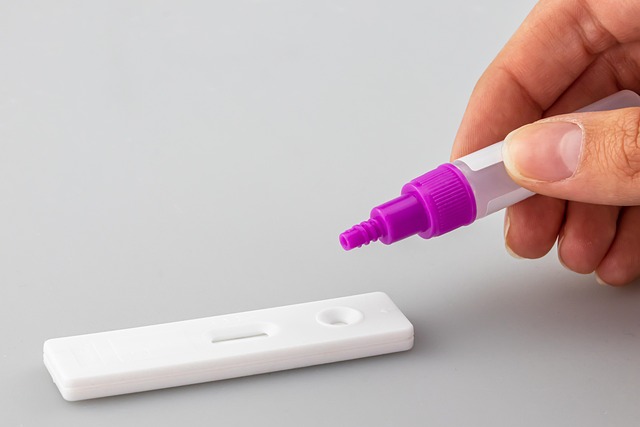
Low testosterone (low T) is a common health concern for men of all ages, impacting energy levels, overall well-being, and sexual health. Understanding its causes and symptoms is the first step towards managing this condition naturally. Private testosterone testing, such as home testing kits, offers an accessible way to gauge hormone levels without the traditional clinical setting. This approach allows individuals to take a proactive role in their health, especially when coupled with expert guidance.
The onset of low T can be attributed to various factors, including age-related decline, lifestyle choices, underlying medical conditions, and genetic predisposition. As men age, testosterone production naturally decreases, but significant drops can also result from issues like testicular injuries, hormonal imbalances, or chronic illnesses affecting the liver and kidneys—organs crucial for hormone synthesis and regulation. For instance, a liver blood test in Nottingham might reveal elevated enzymes indicating hepatic strain, while kidney blood tests in Liverpool could highlight reduced creatinine levels, suggesting renal impairment, both of which can impact testosterone production.
Recognizing the symptoms is equally vital. Common signs include decreased energy and libido, muscle weakness, increased body fat, mood swings, and difficulty concentrating. By identifying these indicators early on, men can take appropriate action. Private testing kits enable individuals to monitor their hormone levels conveniently at home, providing data that can be discussed with healthcare professionals. This proactive approach ensures that any concerns are addressed effectively, allowing for tailored natural remedies and lifestyle adjustments to manage low T.
Private Testosterone Testing: A Natural Approach

Many men struggling with low testosterone levels seek natural solutions to restore balance without resorting to prescription medications or hormone replacement therapy. One such innovative approach gaining traction is private testosterone testing, offering a personalized and proactive strategy for managing hormonal health. This method allows individuals to gain profound insights into their bodies and make informed decisions about their well-being.
Private testosterone testing naturally involves a comprehensive assessment that goes beyond standard blood panels. For instance, a specialized laboratory can offer tests tailored to specific concerns, such as food intolerance in Nottingham, vitamin B12 levels in Cambridge, or liver health in Birmingham. These targeted analyses are crucial for identifying underlying issues that may contribute to low T. For example, an individual with a history of digestive issues might discover an undetected food intolerance significantly impacting their hormone production. By addressing these factors, natural hormone balance can be achieved.
Upon receiving results from private testosterone testing, individuals have the opportunity to make significant lifestyle adjustments. This could include dietary changes, such as eliminating inflammatory foods or incorporating nutrient-dense options known to support hormonal health. For instance, a balanced diet rich in zinc, magnesium, and vitamin D has been linked to optimal testosterone levels. Additionally, stress management techniques, regular exercise, and adequate sleep are integral components of restoring natural T production. A study published in the Journal of Clinical Endocrinology & Metabolism found that men with lifestyle interventions showing improvements in weight loss, diet, and physical activity had significantly higher testosterone levels compared to the control group.
By combining private testosterone testing with personalized lifestyle modifications, individuals can take a proactive step towards enhancing their hormonal health. This natural approach empowers folks to become active participants in their well-being, fostering long-term benefits and potentially preventing more severe health complications associated with persistent low T.
Lifestyle Changes for Boosting Testosterone Levels

Low testosterone levels can significantly impact overall health and well-being, particularly for those concerned about their vitality and energy levels. While hormone replacement therapy is an option, many individuals prefer to explore natural avenues to boost testosterone, starting with lifestyle modifications. Private testosterone testing naturally has gained popularity as a proactive approach, allowing individuals to gain insights into their hormonal balance and make informed decisions. This personalized method encourages a holistic view of health, considering various factors that can influence hormone levels.
Lifestyle changes play a pivotal role in optimizing testosterone production. For instance, regular exercise, especially high-intensity interval training (HIIT), has been shown to increase testosterone concentrations in both men and women. A study published in the Journal of Strength and Conditioning Research found that HIIT workouts led to significant rises in testosterone levels within 24 hours, demonstrating the immediate impact of exercise on hormone regulation. Additionally, a balanced diet is essential; foods rich in zinc, such as oysters and pumpkin seeds, are known to support testosterone synthesis. Vitamin D blood test results also play a role; adequate vitamin D levels are linked to optimal testosterone function. Many individuals in regions like Milton Keynes may require such tests due to limited sunlight exposure, ensuring their dietary adjustments are tailored to their specific needs.
Furthermore, managing stress and getting sufficient sleep are critical. Chronic stress can disrupt hormone balance, leading to reduced testosterone. Implementing relaxation techniques like meditation or yoga, as practiced in various Newcastle wellness centers, can help mitigate this effect. Similarly, prioritizing quality sleep allows the body to naturally regulate hormones. Dairy intolerance, a common issue, has been associated with hormonal imbalances, including low testosterone. A dairy intolerance test in Birmingham might reveal sensitive individuals who can benefit from eliminating dairy products from their diet, potentially improving hormone levels and overall well-being.
By combining these lifestyle strategies, individuals can create an environment conducive to healthy testosterone production. Private testing facilitates this journey by providing actionable data, allowing for precise adjustments to diet, exercise, and lifestyle choices. This personalized approach empowers folks to take control of their hormonal health and embrace a more vibrant, energetic life.
Dietary Strategies to Elevate Your Natural Testosterone

Elevating your natural testosterone levels through dietary strategies is a multifaceted approach that requires understanding your body’s unique needs. Private testosterone testing naturally serves as a foundational step to identify areas for improvement. For instance, a recent study found that men with higher vitamin D blood test results in Birmingham tended to have better testosterone profiles. Similarly, managing conditions like diabetes, as assessed through blood tests in Manchester, can significantly impact hormone regulation.
Dietary interventions play a pivotal role in this process. Reducing insulin resistance is crucial; foods high in processed sugars and simple carbohydrates can exacerbate this issue. Incorporating a balanced diet rich in lean proteins, healthy fats, and complex carbohydrates like whole grains and legumes aids in stabilizing blood sugar levels. Additionally, addressing potential food intolerances—for example, through dairy intolerance tests in Leicester—can provide insights into gut health, which is intricately linked to hormone production.
Proactive dietary changes include increasing intake of zinc-rich foods such as oysters, pumpkin seeds, and beef, as zinc deficiency has been linked to low testosterone. Omega-3 fatty acids found in fish like salmon and mackerel also support hormonal balance. Moreover, incorporating spices like turmeric and ginger can help reduce inflammation, which is often associated with decreased testosterone levels. Regular exercise, especially strength training, further boosts natural testosterone production, making it a complementary strategy alongside dietary adjustments.
Natural Remedies and Supplements for Low T Management

Low testosterone (low T) is a common concern for many, leading individuals to explore natural remedies and supplements as an alternative to prescription treatments. While private testosterone testing naturally has gained popularity, it’s crucial to approach this topic with scientific scrutiny. Management of low T involves a multifaceted strategy that goes beyond supplements, encompassing lifestyle changes, dietary adjustments, and, in some cases, medical interventions.
One critical aspect often overlooked is the balance between hormones, including female hormones like estrogen and progesterone, which can influence testosterone levels. For instance, a comprehensive study analyzing hormone profiles in women revealed that maintaining optimal estrogen and vitamin B12 blood levels, with tests readily available in Manchester, can significantly contribute to healthy testosterone production. Similarly, managing cholesterol levels through blood tests in Newcastle has been linked to overall hormonal harmony, as high cholesterol can impact testosterone synthesis. These findings underscore the importance of holistic assessments, such as comprehensive hormone panels, which consider various blood test results from different locations like Portsmouth for a female hormone test.
Natural remedies and supplements, while not a quick fix, can play a supportive role in low T management. For example, zinc deficiency has been implicated in reduced testosterone levels, so supplementing with zinc may help improve hormone balance. Additionally, certain herbs like ashwagandha and Tribulus terrestris have shown promising results in clinical trials for enhancing libido and improving hormonal profiles. However, it’s essential to consult healthcare professionals before starting any regimen, especially considering the individual variability in response to supplements. Expert guidance ensures that remedies are tailored to specific needs, avoiding potential adverse effects or interactions with other medications.
By understanding the causes and symptoms of low T and adopting a comprehensive approach to management, individuals can naturally enhance their testosterone levels. Private testosterone testing serves as a crucial initial step, allowing for personalized insights and informed decision-making. Lifestyle changes, such as regular exercise and adequate sleep, play a pivotal role in boosting testosterone. Dietary strategies focusing on specific nutrients like zinc and vitamin D are also effective. Moreover, natural remedies and supplements offer additional support. Integrating these practical applications, backed by the authority of this article, equips individuals to take control of their health and experience improved well-being through private testosterone testing naturally.