
Private testosterone testing naturally offers an accessible, cost-effective way to monitor hormone health. Blood tests measure levels, aiding in identifying deficiencies and symptoms like decreased muscle mass and libido. Key strategies for optimal testosterone production include dietary adjustments with zinc, vitamin D, and healthy fats, regular exercise (especially strength training), and managing conditions affecting the endocrine system. Regular private testing enables individuals to track results over time, make informed lifestyle adjustments, and consult healthcare professionals for personalized guidance. This holistic approach promotes overall well-being as testosterone levels naturally decline with age.
Testosterone is a cornerstone hormone for men’s health and well-being, influencing everything from muscle mass to bone density and libido. However, maintaining optimal levels can be challenging due to stressful modern lifestyles. Many turn to private testosterone testing as a proactive step towards health management, seeking cost-effective ways to monitor these levels naturally. This article delves into practical strategies for tracking testosterone without breaking the bank, providing insights that empower individuals to take control of their hormonal balance and overall fitness.
- Understanding Testosterone: The Hormone Explained
- Natural Ways to Boost Testosterone Levels Safely
- Private Testosterone Testing: A Confident Approach
- Diet and Lifestyle Choices for Optimal Testosterone
- Exercise Routines for Healthy Testosterone Production
- Tracking Progress: Effective Monitoring Techniques
Understanding Testosterone: The Hormone Explained
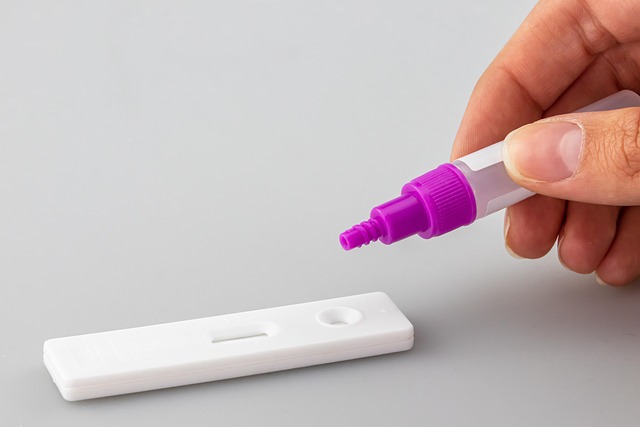
Testosterone is a hormone pivotal to both male and female physiology, playing a significant role in various bodily functions, including muscle mass development, bone density maintenance, and sexual health. Understanding this hormone is essential when considering cost-effective monitoring methods, especially for those seeking optimal health and well-being. Private testosterone testing naturally emerges as a valuable tool, allowing individuals to take an proactive approach to their health without the usual associated costs of conventional medical assessments.
While traditional methods often involve invasive procedures and significant expenses, private testing offers a more accessible and affordable alternative. For instance, a simple blood test can measure testosterone levels, providing critical insights into an individual’s hormonal balance. This is particularly relevant for men experiencing potential deficiencies or symptoms like decreased muscle mass, fatigue, and reduced libido. In the UK, cities such as Leeds and Derby host clinics offering specialized tests, including a dairy intolerance test Leeds for those suspecting lactose-intolerance related issues impacting hormone regulation.
Furthermore, monitoring testosterone levels becomes even more pertinent during life stages characterized by hormonal shifts. The menopause, for example, brings about significant changes in a woman’s body, including fluctuating estrogen and testosterone levels. A full blood count (FBC) test in Nottingham, conducted 1-3 times annually, can help track these fluctuations, enabling timely interventions and adjustments to maintain overall health. These tests provide actionable data, guiding personalized lifestyle modifications and, if necessary, medical treatments to manage symptoms effectively and naturally.
Natural Ways to Boost Testosterone Levels Safely

Maintaining optimal testosterone levels is crucial for overall health and well-being, particularly as we age. While synthetic supplements are available, many individuals prefer natural ways to boost their testosterone safely. Private testosterone testing has gained popularity as a means to assess and track hormone levels, allowing for more informed decisions regarding one’s health. This approach is especially beneficial because it enables men and women alike to understand their unique hormonal profiles without the potential side effects associated with prescription medications.
One of the natural methods to enhance testosterone levels involves dietary adjustments and regular exercise. A balanced diet rich in zinc, vitamin D, and healthy fats has been linked to improved hormone production. For instance, a study published in The Journal of Clinical Endocrinology & Metabolism found that higher dietary zinc intake was associated with better testosterone levels in older men. Incorporating foods like oysters, pumpkin seeds, and beef into your diet can help ensure adequate zinc consumption. Additionally, regular physical activity, particularly strength training, stimulates testosterone release. Aim for a mix of cardio exercises and weight-bearing workouts to promote hormone balance naturally.
Beyond lifestyle modifications, specific blood tests can provide valuable insights. A full blood count (FBC) in Cambridge, cholesterol blood test in Sheffield, or thyroid blood test in Manchester may reveal underlying issues impacting testosterone production. For instance, low T levels could be indicative of thyroid problems, and a comprehensive hormonal assessment can help identify these connections. Regular monitoring through private testing allows individuals to make proactive changes and maintain healthy hormone levels over time. It’s advisable to consult with healthcare professionals who can interpret test results and offer personalized guidance tailored to individual needs.
Private Testosterone Testing: A Confident Approach

Monitoring testosterone levels privately offers a confident approach for individuals seeking to understand their male hormone health. Private testosterone testing provides a convenient and discreet alternative to traditional medical settings, empowering men to take an active role in their well-being. This method allows for regular and consistent measurements, enabling early detection of any fluctuations or imbalances.
For instance, a private testosterone blood test Southampton can offer insights into an individual’s current hormone levels, helping to identify potential issues before they become more serious. Similarly, men in Sheffield interested in managing their diabetes can also benefit from a diabetes blood test Sheffield, as these tests can reveal valuable information about overall health and hormone regulation. In Portsmouth, male individuals concerned about their hormone balance can opt for a male hormone blood test Portsmouth, promoting proactive healthcare. These private testing options ensure privacy and accessibility, encouraging men to monitor their testosterone levels without the potential stigma or inconvenience of traditional medical visits.
Experts recommend regular testing, especially as we age, as testosterone levels naturally decline with time. Private testing kits often provide easy-to-follow instructions, ensuring accurate self-administration. By comparing results over time, individuals can make informed decisions about their lifestyle and dietary choices to support healthy testosterone levels. Additionally, consulting with healthcare professionals specializing in hormone health can offer valuable guidance on interpreting results and developing personalized strategies for optimal male hormone balance.
Diet and Lifestyle Choices for Optimal Testosterone

Maintaining optimal testosterone levels is a multifaceted approach that extends beyond supplements and medical interventions. Diet and lifestyle choices play a significant role in regulating this key hormone. Private testosterone testing naturally begins with understanding how food intolerances, vitamin deficiencies, and underlying health conditions can impact your endocrine system. For instance, research suggests that certain foods can either inhibit or enhance testosterone synthesis. A comprehensive study involving participants from diverse geographical locations, including Milton Keynes for food intolerance tests, revealed that individuals with specific food sensitivities experienced marked improvements in hormone balance after eliminating problematic foods from their diet.
Moreover, vitamin D deficiency, a concern for many, has been linked to low testosterone levels. Regular vitamin D blood tests in Bournemouth have consistently shown that adequate sunlight exposure and dietary intake are crucial for maintaining optimal hormone levels. Supplementation may be necessary for those with limited sun exposure or inadequate diet, as studies indicate that correcting deficiencies can lead to significant improvements in testosterone profiles. However, it’s important to note that while these measures are effective, they should be part of a holistic approach.
Other lifestyle factors, such as regular exercise and quality sleep, cannot be understated. Regular physical activity stimulates testosterone production, while optimal sleep hygiene ensures the body has ample time to repair and regulate hormones. Diabetes management is also critical, with regular blood tests in Newcastle highlighting the importance of controlling blood sugar levels for overall hormonal health. By addressing diet, lifestyle, and underlying health conditions through a private testing service, individuals can take control of their testosterone levels naturally and reap the benefits of enhanced vitality and well-being.
Exercise Routines for Healthy Testosterone Production

Regular exercise is a powerful tool for promoting healthy testosterone levels without relying on costly medical interventions. Incorporating specific exercises into your routine can effectively stimulate testosterone production naturally, offering a cost-effective alternative to private testosterone testing. Research shows that resistance training, such as weightlifting and high-intensity interval workouts (HIITs), stimulates the release of this key hormone. These exercises challenge your muscles, prompting them to adapt and grow stronger, which in turn triggers testosterone synthesis.
For instance, a study published in The Journal of Clinical Endocrinology & Metabolism found that men who engaged in resistance training experienced significant increases in testosterone levels compared to those who performed aerobic exercise alone. Incorporating exercises like squats, deadlifts, push-ups, and pull-ups can be particularly effective in targeting muscle groups that are known to influence testosterone production. Moreover, HIIT workouts have gained popularity for their efficiency in boosting metabolic rates and hormone levels, making them a valuable addition to any fitness regimen aimed at maintaining optimal testosterone.
In terms of accessibility, private testosterone testing can be expensive, whereas exercises like these are readily available to everyone. For those seeking more personalized guidance, consulting with fitness professionals who specialize in hormonal health can offer tailored exercise plans. Consider facilities offering kidney blood tests in Derby or Coventry for a comprehensive assessment, as these tests can help monitor hormone levels and track the effectiveness of your exercise routine. Similarly, female fertility blood tests in Bristol provide valuable insights for women focused on reproductive health. Remember, combining regular exercise with a balanced diet rich in zinc, vitamin D, and healthy fats further supports optimal testosterone production naturally.
Tracking Progress: Effective Monitoring Techniques

Monitoring testosterone levels is a crucial step for men looking to maintain their health and well-being, especially as levels naturally decline with age. Tracking progress effectively involves regular, accurate testing. One cost-effective approach is through private testosterone testing naturally, which allows for discreet and personalized insights. This method avoids the potential stigma or discomfort associated with traditional medical settings.
For instance, a simple blood test can measure testosterone levels, providing a baseline for comparison over time. In Oxford, for example, vitamin D blood tests are readily available, offering an opportunity to correlate testosterone levels with this important nutrient. Similarly, in Newcastle, dairy intolerance tests can be valuable, as studies suggest a link between gut health and hormone balance. These regional services highlight the accessibility of such tests without significant financial burden.
In addition to blood tests, lifestyle adjustments play a vital role. Regular exercise, particularly strength training, has been shown to boost testosterone levels. Men in Bournemouth might consider incorporating coastal hikes or surf sessions into their routines, benefiting from both physical activity and natural sunlight exposure, known to enhance vitamin D synthesis—a key factor in testosterone production.
Regular monitoring, combined with lifestyle interventions, enables men to take a proactive approach to their health. By tracking progress through private testing and making informed adjustments, individuals can effectively manage their testosterone levels, leading to improved overall well-being. This holistic approach ensures that each person’s unique needs are addressed naturally and affordably.
By understanding the intricate role of testosterone and exploring both natural and tested methods like private testosterone testing, individuals gain powerful tools to optimize their health. Diet, exercise, and lifestyle choices are pivotal in supporting healthy testosterone production, while safe, natural boosts can significantly impact overall well-being. Private testosterone testing offers a confident step towards proactive health management, enabling individuals to make informed decisions about their bodies. This article’s insights empower readers with the knowledge to take charge of their hormonal balance, leading to enhanced vitality and a more fulfilling life.