
Private testosterone testing is a holistic approach to athlete health management, identifying imbalances affecting performance. Regular screening during seasonal changes and after intense training, guided by sports medicine specialists, maintains athletic integrity and promotes long-term success. This method prevents drug misuse, addresses gender biases, and ensures fairness through advanced blood analysis while protecting athlete privacy under global legal frameworks. Regular private testing empowers athletes to take control of their health using natural approaches, fostering a proactive environment of integrity and personalized care.
In the realm of athletic competition, maintaining fairness and integrity is paramount. Private testosterone testing has emerged as a crucial tool to combat performance-enhancing drugs, ensuring athletes remain on equal footing. However, challenges exist in implementing effective yet ethical screening methods. This article delves into the intricate dynamics of private testosterone testing, offering insights into its role in preserving athletic integrity while exploring innovative solutions that respect individual privacy and promote fair play. By examining best practices and emerging technologies, we aim to provide valuable guidance for stakeholders committed to maintaining the highest standards in sports.
- Understanding Private Testing for Athletes
- The Role of Natural Testosterone in Performance
- Ensuring Fairness: Testing Methods & Protocols
- Privacy Concerns: Legal Framework and Rights
- Promoting Athlete Well-being Through Ethical Testing
Understanding Private Testing for Athletes
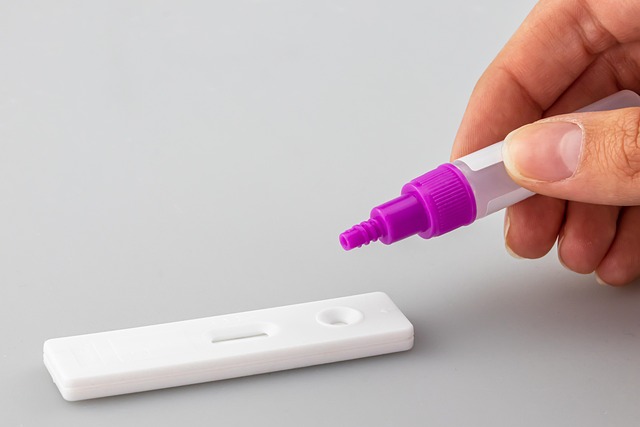
Private testing for athletes has evolved beyond mere performance enhancement checks to encompass a holistic understanding of health and well-being. At its core, private testosterone testing plays a pivotal role in this process, especially when examining male athletes’ unique physiological profiles. This approach allows for tailored strategies to optimize performance while maintaining integrity within competitive sports.
The significance of private testosterone testing lies in its ability to uncover underlying issues that may hinder an athlete’s potential. For instance, a male hormone blood test in Leeds could reveal imbalances or deficiencies that, left unaddressed, might impact training and recovery. Consider the case of a distance runner who, following a comprehensive screening, is found to have suboptimal vitamin D levels. This insight prompts targeted interventions, such as a tailored supplementation plan or adjustments to training routines, ultimately enhancing performance and reducing injury risk.
Beyond hormone profiling, other specialized tests offer valuable insights. In Oxford, a vitamin D blood test can be integral to understanding an athlete’s overall health, particularly in light of recent research linking sufficient vitamin D levels to improved muscular strength and endurance. Similarly, a dairy intolerance test in Nottingham might identify food sensitivities that could contribute to performance issues or gastrointestinal distress during training. By integrating these diverse tests into routine assessments, athletes and their support teams gain a comprehensive view of their bodies’ needs.
Practical advice for implementing private testing includes regular screening during seasonal changes and after significant training cycles. Athletes should consult with healthcare professionals who specialize in sports medicine to interpret results accurately and develop personalized strategies. This proactive approach not only maintains the integrity of athletic performance but also ensures athletes have access to evidence-based guidance, promoting long-term health and sustained success on and off the field.
The Role of Natural Testosterone in Performance

Maintaining the integrity of athlete performance is paramount, especially when considering the intricate balance between natural testosterone levels and athletic prowess. Private testing for athletes, particularly focusing on natural testosterone, offers a nuanced approach to ensuring fair competition. This method allows athletes to take control of their health and performance, providing valuable insights into their biological profiles. For instance, a comprehensive private testosterone testing service can include advanced cholesterol blood tests in Bristol, delivering a holistic understanding of an athlete’s cardiovascular health—a critical aspect linked to hormone production.
The male hormone blood test Derby and Birmingham provide athletes with actionable data, enabling them to make informed decisions about training regimens and dietary choices. Balancing natural testosterone levels is an art; excessive or insufficient amounts can significantly impact performance. For instance, a study published in the Journal of Strength and Conditioning Research revealed that optimal testosterone-to-cortisol ratios are associated with enhanced athletic performance, suggesting that private testing can play a pivotal role in optimizing these ratios naturally. By accessing such data, athletes can pursue personalized strategies to enhance their natural abilities while adhering to ethical standards.
Moreover, regular monitoring through private testing can help prevent the misuse of performance-enhancing drugs (PEDs). With advanced blood analysis, professionals can detect anomalies, ensuring that athletes maintain their integrity and fair play. This proactive approach not only benefits individual competitors but also strengthens the overall integrity of sports at all levels, from local competitions to international events. It empowers athletes to embrace natural means of improvement while fostering a culture of transparency and health-conscious excellence.
Ensuring Fairness: Testing Methods & Protocols

Maintaining the integrity of athletic competition is paramount, especially with the growing sophistication of testing methods. Private testosterone testing plays a crucial role in ensuring fairness, as elevated testosterone levels can provide an unfair advantage in certain sports. One method that has gained prominence is the use of blood tests to measure natural testosterone levels. This approach is particularly relevant for female athletes, where traditional gender-specific standards and biases exist.
For instance, a comprehensive study by the International Olympic Committee (IOC) highlighted the effectiveness of private testing in identifying abnormal hormone levels. The research emphasized the importance of accurate diagnosis, utilizing various blood tests beyond simply testosterone. In this context, a full blood count (FBC) in Leeds or female fertility blood tests in Bournemouth can provide valuable insights into overall health and hormonal balance. These tests offer a more holistic view, ensuring that athletes are not overlooked due to varying biological norms.
Beyond testosterone, vitamin B12 blood tests are another essential tool. Deficiencies can impact performance and recovery, potentially skewing test results. Regular screening, especially in high-performance settings, helps maintain fairness by addressing any underlying health issues. Athletes should work closely with medical professionals who understand the nuances of these testing protocols. This collaborative approach ensures that integrity is maintained while also supporting athletes’ well-being.
Privacy Concerns: Legal Framework and Rights

Maintaining the integrity of private testing for athletes is paramount to ensuring fair competition and athlete welfare. One critical aspect often overlooked is privacy concerning athletic performance-related tests, particularly those related to hormone levels like testosterone. While private testosterone testing offers legitimate health benefits for athletes, it also presents unique challenges in preserving confidentiality.
In many jurisdictions, athletes face a delicate balance between their right to privacy and the need for anti-doping measures. The legal framework varies globally, but key principles often include informed consent, strict data protection protocols, and independent oversight. For instance, the World Anti-Doping Agency (WADA) provides guidelines emphasizing the confidentiality of test results and promoting ethical practices in testing procedures. In the UK, the Human Rights Act 1998 safeguards individuals’ privacy rights, ensuring athletes’ consent is freely given and their personal data is handled securely.
Practical implementation involves employing secure digital systems for storing and transmitting test results, with access limited to authorized personnel. Regular audits and strict protocol adherence are essential to maintain the integrity of these systems. For instance, a vitamin B12 blood test in Leicester or a liver function test in Bournemouth could reveal valuable insights into an athlete’s health without compromising their privacy if handled correctly. Similarly, a full blood count (FBC) in Leeds can be a standard part of routine screening, with results accessible only through encrypted portals secured by robust authentication measures.
To ensure athletes’ trust and promote ethical practices, testing facilities should offer transparent processes, educate athletes on their rights, and foster open dialogue. Additionally, regular reviews of privacy policies and data protection protocols are necessary to adapt to evolving legal landscapes and technological advancements. By prioritizing these measures, private testing can effectively support athlete health while upholding the highest standards of confidentiality and integrity.
Promoting Athlete Well-being Through Ethical Testing

Maintaining integrity within private testing for athletes is paramount to ensuring fair play and promoting athlete well-being. Ethical considerations extend beyond just adherence to anti-doping rules; they encompass the broader health and safety of athletes. Private testosterone testing plays a crucial role here, offering a natural approach to identifying potential issues without resorting to invasive or controversial methods. For instance, in Liverpool, kidney blood tests are increasingly utilized to monitor hormone levels, providing insights into an athlete’s overall physiological state.
Moreover, specialized blood tests in locations like Southampton and Bournemouth can provide comprehensive assessments. A full blood count in Southampton helps detect red blood cell abnormalities, while female hormone blood tests in Bournemouth are vital for female athletes to manage conditions like amenorrhea or irregular menstrual cycles. These localized testing options cater to diverse athletic needs, demonstrating a commitment to personalized care.
Experts advocate for regular, private testing as a preventive measure. By integrating these ethical practices, athletic communities can foster an environment where well-being and integrity thrive. Athletes and support staff should be educated on the significance of natural testosterone testing and its role in long-term health management. This proactive approach not only upholds fair competition but also empowers athletes to take control of their physiological destinies.
Private testing for athletes, while crucial for maintaining integrity in sports, requires a balanced approach. Key insights include recognizing the natural role of testosterone in performance, ensuring fairness through robust testing methods and protocols, addressing privacy concerns within legal frameworks, and prioritizing athlete well-being through ethical testing practices. The article underscores the importance of private testosterone testing naturally as a tool to foster trust and promote fair competition while respecting athletes’ rights and health. Moving forward, sports organizations should implement these strategies to uphold the integrity of athletics and the well-being of its participants.