
Low libido results from physical, psychological, and hormonal causes, with hormone imbalances, particularly low testosterone, a significant factor. Private testosterone testing provides precise assessments beyond general screenings, offering detailed insights for personalized guidance. This approach, backed by holistic lifestyle changes like exercise, diet, and stress management, ensures sustainable improvements in sexual health and well-being. Regular monitoring through comprehensive blood tests is crucial for accurate diagnosis and effective treatment.
Low libido is a common yet often overlooked health concern, significantly impacting individuals’ quality of life and relationships. This subtle yet powerful issue can stem from various factors, including hormonal imbalances, lifestyle choices, or underlying medical conditions. Thankfully, addressing low libido proactively is achievable through advanced testosterone testing, offering a personalized approach to restoration. Private testosterone testing naturally plays a pivotal role in this process by providing individuals with crucial insights into their hormonal health, enabling tailored interventions and fostering enhanced sexual well-being.
- Understand Low Libido: Causes & Impact
- Private Testosterone Testing: A Natural Approach
- Interpret Results: Normal Levels & Deficiencies
- Boost Testosterone Naturally: Lifestyle Changes
Understand Low Libido: Causes & Impact
Low libido, characterized by a diminished sexual desire or inability to maintain an erection, affects millions of people worldwide. Understanding its causes is crucial for effective treatment and management. While it may seem like a simple issue, low libido can stem from complex physical, psychological, and hormonal factors. This comprehensive section delves into the intricate web of causes, offering insights that empower individuals to take charge of their sexual health.
One of the primary contributors to low libido is hormone imbalance, particularly low testosterone levels in men. Testosterone, often referred to as the ‘male sex hormone,’ plays a pivotal role in sexual function and drive. Private testosterone testing naturally becomes a vital tool for identifying this issue. Many individuals are unaware that their libido problems may be linked to deficiencies that can be accurately measured through specialized blood tests. For instance, a diabetes blood test reading might reveal insulin resistance, which can negatively impact hormone levels and subsequently affect sexual health. Similarly, vitamin D blood test results in Liverpool or Birmingham could indicate deficiencies associated with reduced energy and motivation, indirectly influencing libido.
Psychological factors also significantly contribute to low libido. Stress, anxiety, and depression are common mental health issues that can dampen sexual desire. For some, addressing these underlying psychological concerns through counseling or therapy may be the first step in enhancing libido. Additionally, certain medical conditions like chronic fatigue syndrome or thyroid disorders can lead to low libido as a symptom. Early diagnosis and treatment of such conditions are essential for restoring sexual health. It’s important to consult healthcare professionals who can provide personalized guidance based on comprehensive assessments that include relevant blood tests.
Private Testosterone Testing: A Natural Approach
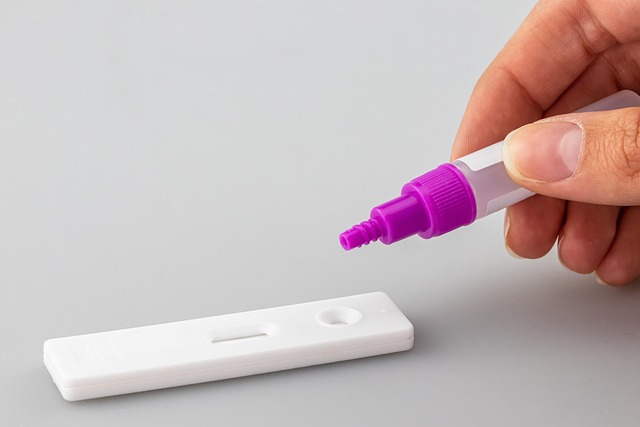
Low libido can be a complex issue, often stemming from underlying hormonal imbalances, particularly low testosterone levels. Addressing this concern requires a comprehensive approach that goes beyond general advice, embracing personalized strategies tailored to individual needs. Private testosterone testing offers a natural and direct method of assessment, allowing for precise insights into hormonal health. This private service is accessible in various locations, such as Manchester for the testosterone blood test, Bristol for specialized kidney blood tests, and Milton Keynes for a comprehensive full blood count.
The benefits of private testosterone testing naturally lie in its ability to provide concrete data on hormone levels, enabling individuals to make informed decisions about their health. Unlike general screenings, these tests offer targeted insights, accounting for variations in lifestyle, age, and overall health. For instance, a study published in the Journal of Clinical Endocrinology & Metabolism highlighted the significance of personalized testosterone therapy, demonstrating improved sexual function and quality of life among participants with low testosterone levels who underwent tailored treatment plans.
By opting for private testing, individuals can access detailed reports and expert consultations to interpret results accurately. This process empowers them to explore natural remedies and lifestyle adjustments to boost testosterone levels safely. For instance, maintaining a balanced diet rich in zinc, vitamin D, and healthy fats, alongside regular exercise, has been shown to support optimal hormone production. In addition to these dietary and fitness strategies, consulting with healthcare professionals can uncover other factors influencing libido, such as stress management techniques or addressing underlying medical conditions.
Interpret Results: Normal Levels & Deficiencies

Understanding your private testosterone testing results is a crucial step in addressing low libido. Normal levels of testosterone typically range between 300-1000 nanograms per deciliter (ng/dL) for men. However, deficiencies can occur, often subtly, and may not always be evident without specific advanced testing. A comprehensive approach involves considering various blood tests beyond just testosterone. For instance, a cholesterol blood test Reading might reveal insights into overall health, as high cholesterol can impact hormone production. Similarly, liver blood test Sheffield results can indicate the liver’s ability to process hormones effectively. Thyroid blood test Reading, too, are essential as thyroid dysfunction can disrupt hormonal balance.
When interpreting private testosterone testing naturally, a deficiency may manifest as levels below 300 ng/dL. This could be indicative of various factors, including age-related decline, certain medical conditions, or lifestyle choices. For example, data shows that over 1 in 4 men aged 45-59 have testosterone levels below the lower normal range. It’s important to note that deficiencies don’t always require immediate intervention; however, they warrant monitoring and may prompt discussions with a healthcare provider about lifestyle adjustments or, if necessary, hormone replacement therapy (HRT).
Actionable advice includes maintaining a balanced diet rich in zinc, vitamin D, and healthy fats, which support testosterone production. Regular exercise, particularly resistance training, can also boost testosterone levels naturally. Additionally, managing stress through mindfulness practices and ensuring adequate sleep are essential, as they influence hormonal regulation. In some cases, addressing underlying issues from these comprehensive blood tests may be the game-changer needed to restore libido naturally.
Boost Testosterone Naturally: Lifestyle Changes

Many individuals seeking to enhance their libido often turn to advanced testosterone testing as a starting point, recognizing the hormone’s pivotal role in sexual health. While over-the-counter solutions abound, experts emphasize the importance of first addressing underlying factors through private testosterone testing naturally. This holistic approach not only ensures accurate diagnosis but also promotes sustainable results.
Lifestyle changes play a significant role in boosting testosterone levels. For instance, regular physical activity, particularly resistance training and high-intensity interval workouts, has been shown to increase testosterone production. Adequate sleep is another critical factor; studies indicate that sleep deprivation can significantly depress testosterone levels. Maintaining a balanced diet rich in zinc, vitamin D, and healthy fats also supports optimal testosterone function. Avoiding excess stress, limiting alcohol consumption, and quitting smoking are additional strategies that can positively impact testosterone levels.
In some cases, specialized blood tests may be necessary to assess hormone levels accurately. Full blood count (FBC) Bournemouth, kidney blood test Birmingham, or cholesterol blood test Oxford can provide valuable insights into overall health and hormonal balance. For example, a low FBC might indicate anemia, which can affect testosterone production. Similarly, issues with kidneys or cholesterol levels could impact hormone regulation. Addressing these underlying medical conditions is essential for optimal testosterone levels and sexual well-being.
Practical steps include incorporating regular exercise into one’s routine, prioritizing 7-9 hours of quality sleep each night, and consulting a healthcare professional to discuss personalized dietary changes. Regular private testosterone testing naturally can serve as a powerful tool for monitoring progress and making informed adjustments. Remember, sustainable improvements in libido often stem from holistic lifestyle changes backed by expert guidance.
By understanding the multifaceted causes of low libido and embracing private testosterone testing as a natural approach, individuals can gain valuable insights into their sexual health. Interpreting test results accurately allows for targeted strategies to boost testosterone naturally through lifestyle changes. This article has equipped readers with key takeaways, empowering them to navigate their journey towards enhanced sexual well-being with confidence, backed by the authority of comprehensive research and practical guidance on private testosterone testing naturally.