
Private testosterone testing is a proactive healthcare tool for men, offering insights into hormone levels and guiding health decisions. Regular testing (1-3 times/year) tracks trends, diagnoses conditions like hypogonadism, and promotes well-being. Normal ranges vary by age, with comprehensive tests revealing overall health status. Consulting professionals ensures accurate interpretation and timely interventions based on symptoms and lifestyle changes.
Testosterone levels are a cornerstone of male health, influencing everything from muscle mass to mood. However, the frequency of private testosterone testing among men is a subject shrouded in confusion and often overlooked. The current landscape lacks clear guidelines, leading many to question when and how often such tests should be conducted. This article aims to demystify this process, offering an authoritative guide on how often guys should consider getting tested for testosterone, with a focus on the benefits of private testing as a natural approach to managing male health.
- Understanding Testosterone Levels in Men
- The Role of Regular Testing: Benefits and Timing
- Private Testosterone Testing: A Natural Approach
- Interpreting Results and Maintaining Optimal Health
Understanding Testosterone Levels in Men
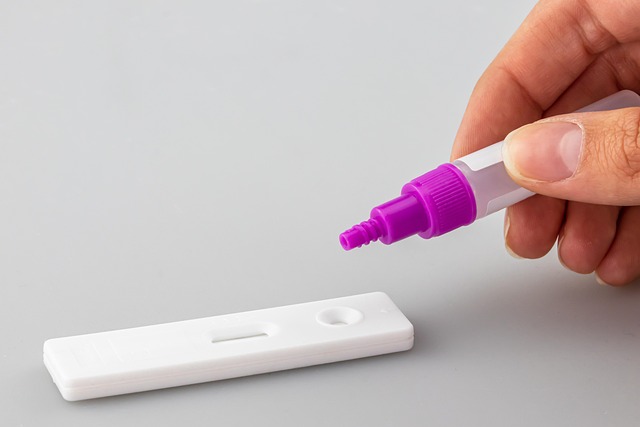
Men often have questions about their testosterone levels and how often they should get tested, especially as they age. Understanding testosterone levels is crucial for overall health and well-being, as this hormone plays a significant role in various bodily functions, including muscle mass, bone density, sex drive, and energy levels. A private testosterone testing service can offer valuable insights into an individual’s hormonal balance, enabling them to make informed decisions about their health.
For many men, the decision to get tested arises from symptoms like decreased energy, reduced muscle mass, or changes in sexual function. However, it’s essential to note that testosterone levels naturally fluctuate throughout the day and can be influenced by factors such as stress, sleep quality, and exercise. Therefore, a single test might not provide an accurate picture. Private testing services often recommend regular, periodic assessments to track trends over time, especially for those experiencing potential symptoms of low T. For instance, a study published in The Journal of Clinical Endocrinology & Metabolism highlighted the importance of consistent monitoring, showing that regular testosterone tests can help identify individuals with hypogonadism, a condition characterized by low testosterone levels.
In the UK, access to private testosterone testing is readily available, with various clinics offering these services. For instance, men in Bournemouth might opt for a menopause blood test to assess their hormone levels, while those in Milton Keynes could consider vitamin D blood tests as low vitamin D has been linked to decreased testosterone. In Birmingham, dairy intolerance testing is another option, as some studies suggest a potential link between lactose intolerance and hormonal imbalances. Regular testing, ideally 1-3 times annually, can help men maintain optimal hormone levels and take proactive steps towards overall health.
The Role of Regular Testing: Benefits and Timing
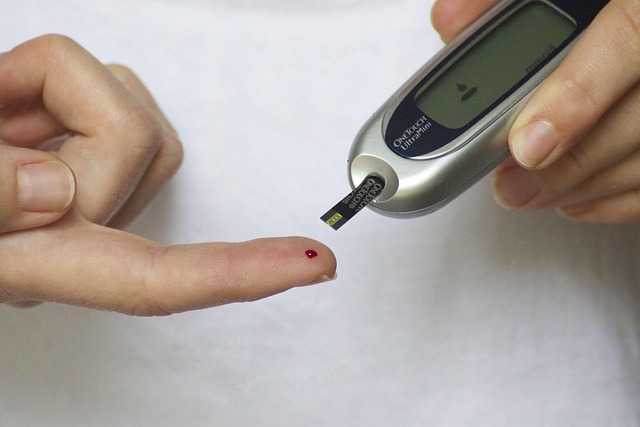
Regular testing plays a crucial role in maintaining optimal health, especially for men concerned about their testosterone levels. Private testosterone testing naturally emerges as a key component of proactive healthcare, enabling individuals to gain valuable insights into their bodily functions. This type of testing allows men to take charge of their well-being by identifying potential issues early on and making informed decisions regarding their lifestyle and treatment options.
The benefits of frequent private testosterone testing are multifaceted. For instance, it can help diagnose hypogonadism, a condition characterized by low testosterone levels, which may cause various symptoms such as decreased muscle mass, fatigue, and reduced libido. By identifying this condition through a simple blood test, like those offered at facilities providing testosterone blood tests in Reading, individuals can seek appropriate treatment to improve their quality of life. Furthermore, regular testing can also uncover underlying health issues that might be affecting testosterone production, such as liver problems, as evidenced by a liver blood test in Nottingham. Early detection allows for timely intervention and management of these conditions.
When considering the timing of private testosterone testing, it is recommended to consult with healthcare professionals who can guide individuals based on their specific concerns and medical history. Generally, men aged 30 and above may benefit from regular testing every 6-12 months, especially those with risk factors for hormone imbalances or sexual health issues. For instance, a food intolerance test in Sheffield might reveal digestive conditions that indirectly impact hormone production. Incorporating such tests into one’s routine healthcare regimen can lead to better overall well-being and potentially prevent more serious health complications down the line.
Private Testosterone Testing: A Natural Approach
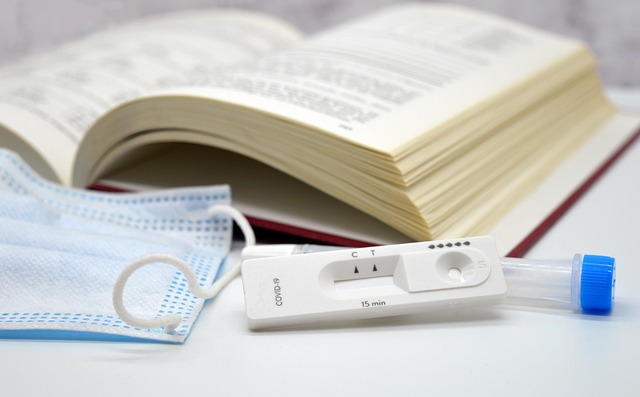
Private testosterone testing offers a natural approach for men to gain insights into their hormone levels, potentially leading to significant health benefits. This method allows individuals to take charge of their well-being by proactively monitoring their male hormone, specifically testosterone. Unlike conventional methods often associated with clinical settings, private testing provides an accessible and discreet way to access these essential blood panels.
Consider a scenario where a man in Leicester decides to undergo a private testosterone blood test as part of his routine health maintenance. This proactive step can reveal valuable information about his hormone balance. For instance, a slightly elevated result might indicate optimal levels, while a decline could be an early indicator of potential issues. Similarly, a male in Portsmouth interested in overall health and fitness may opt for a male hormone blood test to ensure his body is responding favorably to exercise routines. These tests can identify areas for improvement, enabling individuals to make informed decisions regarding their diet, lifestyle, and even medical interventions if necessary.
It’s worth noting that maintaining healthy testosterone levels is crucial for various bodily functions. A study published in the Journal of Clinical Endocrinology & Metabolism highlights the association between optimal testosterone and improved muscle mass, bone density, and overall cognitive function in men. However, not all cases require frequent testing. For example, individuals with diabetes in Nottingham may be advised to monitor their hormone levels more regularly due to potential metabolic implications. A healthcare professional can guide patients on when and how often private testosterone testing naturally aligns with their health goals and medical history.
Interpreting Results and Maintaining Optimal Health

Regularly assessing your testosterone levels through private testosterone testing naturally is a proactive step towards maintaining optimal health. It’s more than just a number; it’s a critical indicator of overall well-being. Interpreting test results requires understanding that normal ranges vary by age and laboratory, but generally, levels between 300-1000 nanograms per deciliter (ng/dL) are considered within a healthy range for adult men.
When considering tests like a full blood count in Nottingham or liver blood tests in Bristol, it’s crucial to look beyond just testosterone. These comprehensive assessments can reveal insights into your overall health status. For instance, a low red blood cell count could indicate anemia, while abnormal liver function results may point towards underlying issues that affect hormone production. Thyroid blood tests in Birmingham are also valuable, as thyroid health directly impacts metabolism and energy levels, which are closely tied to testosterone regulation.
Actionable advice includes consulting with healthcare professionals who can interpret your results holistically. They can guide you on when retesting is necessary, factoring in symptoms, age, and lifestyle changes. Maintaining optimal testosterone levels isn’t just about enhancing performance; it’s about long-term health. Regular monitoring allows for early detection of any imbalances, enabling timely interventions to ensure your overall well-being.
Regular testosterone testing is a powerful tool for men to take charge of their health. By understanding the dynamics of testosterone levels and leveraging private testosterone testing naturally, individuals can make informed decisions about their well-being. The article highlights several key insights: first, regular monitoring enables early detection of fluctuations or imbalances, allowing for prompt action. Second, private testing offers a discreet and natural approach, encouraging men to take ownership of their health without stigma. Third, interpreting results accurately is crucial, guiding lifestyle adjustments such as diet, exercise, and stress management. Ultimately, embracing proactive healthcare through private testosterone testing naturally empowers men to maintain optimal health and well-being throughout life.