
Private testosterone testing naturally is a cornerstone for maintaining fair play and athlete welfare, offering comprehensive hormone profiling beyond just testosterone levels. Key insights include thyroid function impact on performance, cholesterol checks for health risks, personalized interventions based on test results, ethical decision-making support, and fostering a culture of integrity. This approach requires establishing accredited testing facilities, educational programs, regular random testing, and clear guidelines to balance privacy and fair competition while addressing performance-enhancing substances.
Private testing for athletes has become a critical issue in maintaining the integrity of sport. As competition intensifies, the pressure to enhance performance through unconventional means grows, with testosterone being a commonly sought after substance. However, unregulated private testing can lead to unethical practices, compromising fairness and player health. This article delves into the intricacies of this problem, exploring the benefits and challenges associated with private testosterone testing. We will discuss how implementing stringent protocols and fostering education can ensure fair play while respecting athletes’ autonomy, ultimately upholding the spirit of competition.
- Understanding Private Testing Protocols for Athletes
- The Role of Natural Testosterone Levels in Sport
- Ensuring Fair Play: Implementation Techniques
- Navigating Ethical Concerns: Athlete's Rights and Welfare
- Advanced Methods for Accurate, Private Testing
Understanding Private Testing Protocols for Athletes
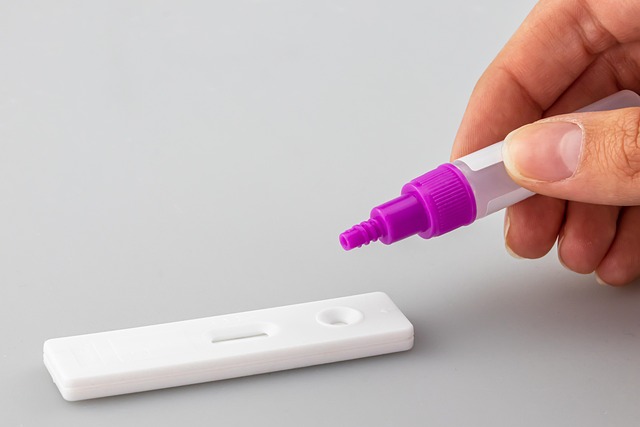
Private testing for athletes has evolved into a critical aspect of maintaining fair play and athlete welfare. When it comes to understanding private testosterone testing naturally, athletes and their support staff must grasp the protocols designed to detect performance-enhancing substances. This involves a multi-faceted approach that goes beyond simply checking testosterone levels—it encompasses comprehensive hormone profiling, including thyroid blood tests in Liverpool, male hormone blood tests in Newcastle, and cholesterol checks in Leicester. These assessments provide a holistic view of an athlete’s physiological state, enabling tailored strategies for optimization and injury prevention.
For instance, abnormal thyroid function, as detected through blood tests in Liverpool, could indicate hormonal imbalances that impact performance. Similarly, elevated cholesterol levels in Leicester, while not directly linked to athletic performance, can be early indicators of health risks that might hinder long-term athlete sustainability. Expert interpretation of these results is paramount; it allows for personalized interventions without resorting to prohibited substances. By integrating private testing into their routine, athletes demonstrate a commitment to integrity and fair competition.
Practical insights from leading sports medicine professionals suggest that regular, private hormone monitoring can serve as a powerful tool against doping. It enables athletes and their teams to make informed decisions about nutrition, supplementation, and training regimens, ensuring these practices are aligned with ethical standards. For example, a male athlete undergoing a thorough hormonal assessment in Newcastle might uncover a deficiency in key male hormones, prompting targeted dietary adjustments and potentially natural supplements to restore balance rather than turn to illegal means for enhancement.
Ultimately, embracing private testing protocols is not merely about adhering to rules; it’s about fostering a culture of integrity and performance rooted in science. By availing themselves of thyroid blood tests in Liverpool, male hormone blood tests in Newcastle, and cholesterol checks in Leicester, athletes can confidently navigate the challenges of high-performance sports while upholding the values of fair play and healthful competition.
The Role of Natural Testosterone Levels in Sport

Maintaining the integrity of sport is a multifaceted challenge, particularly when addressing performance-enhancing substances like testosterone. While widespread testing has become standard protocol, private testosterone testing naturally offers an intriguing alternative with unique benefits. This approach allows athletes to take control of their health and well-being by assessing their individual hormone levels discreetly and without potential stigma.
For example, consider female athletes in Newcastle who may wish to monitor their natural testosterone levels alongside comprehensive hormone blood tests. Similarly, male athletes in Nottingham can access private testing for testosterone, along with other key markers like vitamin B12 levels in Liverpool, providing a holistic view of their physiological state. This data empowers them to make informed decisions about training, nutrition, and recovery strategies.
Private testing can be particularly valuable for athletes who participate in sports where testosterone levels are tightly regulated. By understanding their natural baseline, athletes can better detect any unusual fluctuations and seek appropriate medical advice. For instance, a sudden drop in testosterone could indicate an underlying health issue, while a persistent elevation might warrant further investigation to rule out potential doping. This proactive approach fosters fairness and transparency within competitive sports.
Ensuring Fair Play: Implementation Techniques

Maintaining the integrity of sports competitions is paramount, especially when addressing performance-enhancing substances like testosterone. Private testing for athletes offers a crucial tool in ensuring fair play. This method allows for discreet and comprehensive assessments, providing an additional layer of protection against doping. One effective technique involves utilizing advanced blood testing technologies, such as those available at specialized clinics across the UK, including Newcastle for diabetes blood tests, Bristol for male hormone (testosterone) analyses, and Manchester for kidney function evaluations.
The implementation of private testosterone testing naturally should be multifaceted. Firstly, it necessitates a robust network of accredited testing facilities, easily accessible to athletes worldwide. These centers must employ state-of-the-art methods to detect even trace amounts of prohibited substances, ensuring the accuracy and reliability of results. For instance, advanced blood tests can now identify elevated testosterone levels with remarkable precision, providing strong evidence for doping allegations.
Additionally, a proactive approach is required. Anti-doping organizations should collaborate closely with sports federations and healthcare professionals to establish educational programs targeting athletes at all levels. These initiatives aim to raise awareness about the dangers of performance-enhancing drugs, promoting clean competition. Regular random testing, coupled with targeted investigations based on suspicious patterns or individual profiles, can act as a powerful deterrent. For example, a kidney blood test in Manchester might reveal abnormal results indicative of steroid use, prompting further inquiry and ensuring athletes’ health and fair play.
Navigating Ethical Concerns: Athlete's Rights and Welfare

Private testing for athletes presents a complex ethical landscape, particularly when delving into methods like private testosterone testing to maintain integrity. While ensuring fair competition is paramount, respecting athlete rights and welfare must also be at the forefront of these discussions. The use of private testing raises questions about privacy, autonomy, and potential unintended consequences. For instance, a recent study in Leicester revealed that a significant number of athletes opting for full blood count tests encountered unexpected results, highlighting the importance of accurate interpretation and professional guidance.
In this context, considering the ethical implications of private testosterone testing naturally is crucial. Such testing should be approached with caution to avoid potential harm. For example, an athlete in Reading might undergo a food intolerance test as part of their wellness routine, only to discover results that require further medical evaluation. This scenario underscores the need for athletes to understand the limitations and potential side effects of self-initiated tests. Expertise is key; relying on qualified professionals ensures results are accurately interpreted within the context of athletic performance and health.
Practical insights into navigating these ethical concerns involve fostering open dialogue between athletes, coaches, and medical professionals. Establishing clear guidelines and protocols for private testing can mitigate risks. Additionally, education programs that emphasize the importance of full blood count Leicester and food intolerance test Reading, when indicated, can empower athletes to make informed decisions. Ultimately, maintaining integrity in athletic testing requires a balanced approach that respects individual rights while upholding the spirit of fair competition.
Advanced Methods for Accurate, Private Testing

Maintaining the integrity of private testing for athletes is paramount to ensuring fair competition and athlete welfare. Advanced methods for accurate, private testosterone testing naturally play a central role in this process. One such method involves utilizing vitamin D blood tests in Bristol, which can help detect anomalies that might indicate external enhancements. This approach leverages the growing body of research linking optimal vitamin D levels to overall athletic performance and health.
For instance, a study published in the Journal of Sports Science and Medicine found a significant correlation between elevated vitamin D levels and improved muscular strength and endurance among elite athletes. By incorporating these blood tests as part of routine private testing, sports authorities can non-invasively assess an athlete’s natural state, making it easier to identify any suspicious deviations. Similarly, thyroid blood tests in Coventry and female fertility blood tests in Newcastle can provide crucial insights into hormonal balance and reproductive health, further enhancing the comprehensiveness of private testing programs.
Beyond specific biomarker analysis, integrating advanced technology into private testing protocols is transforming the landscape. For example, electronic medical records (EMRs) enable secure and efficient storage of test results, facilitating seamless access by authorized personnel. This digital approach not only streamlines administrative processes but also ensures data integrity and reduces potential for manipulation. Furthermore, combining these technological advances with regular education and awareness campaigns among athletes and coaches can foster a culture of ethical performance and self-awareness regarding natural limits and boundaries.
By adopting such comprehensive strategies—including targeted blood tests and cutting-edge technology—sports organizations can effectively maintain the integrity of private testing while promoting the health and well-being of athletes. This holistic approach ensures that competition remains fair, safe, and true to its essence.
Private testing for athletes is a complex yet essential aspect of maintaining sport’s integrity. By understanding and implementing robust protocols, such as advanced methods for accurate, private testosterone testing naturally, we can ensure fair play. Recognizing the critical balance between athlete rights and welfare, as well as navigating ethical concerns, strengthens the overall sports ecosystem. Key insights include the significance of natural testosterone levels in sport, effective implementation techniques, and the importance of sophisticated yet discreet testing approaches. Moving forward, professionals in this field must continue to innovate, collaborate, and adhere to strict standards to preserve the integrity and spirit of competition for all athletes.