
Private testosterone testing naturally empowers men to proactively manage their hormonal health. By tracking levels through discreet at-home testing, individuals can detect imbalances early, enabling tailored lifestyle adjustments for optimal well-being. This approach challenges societal norms, promotes open conversations about male hormones, and fosters a sense of self-care, ultimately enhancing quality of life and longevity.
Men’s health is a critical aspect of overall well-being, yet discussions around proactive measures often lag. One area demanding attention is the significance of regular testosterone checks. Testosterone, the primary male hormone, plays a pivotal role in physical and mental health. However, as men age or face certain lifestyle factors, testosterone levels can naturally decline. This presents a challenge, as low T (testosterone) can lead to various health issues, impacting energy levels, muscle mass, libido, and cognitive function.
This article delves into practical solutions, emphasizing the value of private testosterone testing as a natural way to monitor and maintain optimal T levels, thereby fostering holistic men’s health.
- Understanding Male Health: The Importance of Regular T Checks
- Unveiling Private Testosterone Testing: A Natural Approach
- Step-by-Step Guide to Accurate Self-Assessment
- Promoting Wellbeing: Long-Term Benefits and Next Steps
Understanding Male Health: The Importance of Regular T Checks
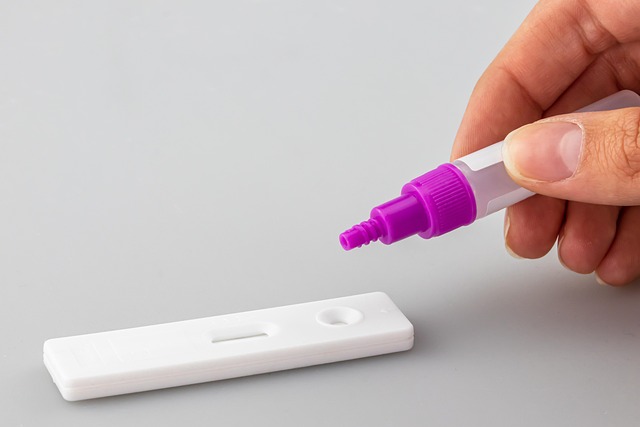
Understanding male health involves recognizing the unique challenges and nuances associated with men’s well-being. One critical aspect often overlooked is the monitoring of testosterone levels through regular private testosterone testing naturally. This proactive approach to men’s health is gaining traction as a game-changer in addressing hormonal imbalances. It empowers individuals to take charge of their bodies, especially considering that low testosterone, or hypogonadism, affects approximately 5% of men aged 30–69 and up to 15% of men over 70 globally.
Regular private testosterone testing is a powerful tool for several reasons. For instance, it allows men to track their hormone levels at various life stages. Just as a cholesterol blood test Bournemouth or a vitamin D blood test Cambridge can provide insights into cardiovascular health and bone density, respectively, these tests offer a window into reproductive and overall well-being. Moreover, they enable early detection of potential issues. Data suggests that timely intervention through hormone replacement therapy can significantly improve quality of life for men struggling with low testosterone.
The process is straightforward. Men can opt for a female hormone blood test Liverpool as part of their routine check-ups to assess not only testosterone but also other key hormones. This comprehensive approach ensures a holistic understanding of health. Following a private testosterone testing naturally, healthcare professionals can offer tailored advice and treatment plans. These might include lifestyle modifications such as diet adjustments, regular exercise, or targeted supplements to support natural hormone production. Such interventions can have profound effects on overall health and well-being.
Unveiling Private Testosterone Testing: A Natural Approach

Men’s health is a multifaceted issue, and one of the key areas often overlooked is hormone regulation, particularly testosterone levels. Unveiling private testosterone testing as a natural approach can be a game-changer for men seeking to optimize their well-being. This method allows for personalized insights into hormonal balance, offering a proactive strategy to address potential deficiencies or imbalances without relying solely on conventional medical interventions.
Private testosterone testing naturally provides an opportunity for individuals to take charge of their health in a discreet and comprehensive manner. Unlike typical clinical tests, which might be associated with certain stereotypes, private testing offers a non-intrusive and convenient solution. For instance, men experiencing symptoms like decreased energy, muscle mass loss, or libido changes can opt for a simple blood test at their convenience. This test measures testosterone levels, offering a baseline for understanding individual hormonal health. In a city like Birmingham, where specialist clinics offer female fertility blood tests, similar services for males are gaining traction, empowering individuals to manage their health proactively.
The data from these private tests can be a powerful tool for making informed decisions. For those with results indicating low testosterone (hypogonadism), natural solutions can be explored. This might include dietary adjustments, such as reducing dairy intake in cases of lactose intolerance (a common issue, with around 6% of the UK population affected), as certain foods can impact hormone levels. Alternatively, a food intolerance test in Bristol could reveal sensitivities that contribute to inflammation and hormonal disruption. Experts suggest that a balanced diet, rich in zinc, vitamin D, and healthy fats, alongside regular exercise, can significantly support natural testosterone production.
By combining private testing with personalized lifestyle changes, men can navigate their health journey with confidence. This proactive approach ensures that any potential issues are addressed early on, promoting long-term well-being. It’s essential to consult healthcare professionals who can interpret test results accurately and provide tailored guidance, ensuring a holistic approach to men’s health management.
Step-by-Step Guide to Accurate Self-Assessment

Addressing men’s health concerns head-on requires a proactive approach, particularly when it comes to understanding hormone levels. Regular private testosterone testing naturally has emerged as a powerful tool for men seeking to optimize their well-being. This step-by-step guide aims to empower individuals with knowledge and self-assessment skills, allowing them to take charge of their health.
Step 1: Understand the Basics Begin by familiarizing yourself with testosterone, often referredred to as the ‘male hormone’. It plays a pivotal role in various physiological functions, including muscle mass, bone density, and sexual health. Private testing allows for discreet, at-home sampling, providing an initial snapshot of your current levels. Compare these results with established reference ranges to identify potential discrepancies.
Step 2: Collect Your Sample Ensure you follow the instructions provided with your private testosterone test kit meticulously. Typically, a simple blood draw from a finger prick or vein is required. Maintain the sample’s integrity by adhering to storage guidelines, usually involving refrigeration until testing. In cities like Southampton, specialized clinics offer female hormone blood tests, demonstrating versatility in addressing diverse health needs.
Step 3: Interpret Your Results Compare your testosterone levels against the reference range provided. Values below the lower limit might indicate hypogonadism or low testosterone. Conversely, elevated levels could signal potential issues with hormonal balance. Consider consulting a healthcare professional for personalized advice. For instance, in Leeds, kidney blood tests are readily available, showcasing the city’s robust healthcare infrastructure.
Step 4: Take Action Based on Findings If private testosterone testing reveals concerning results, don’t delay. Seek guidance from medical experts who can offer tailored solutions. Lifestyle adjustments, such as exercise and diet changes, can significantly impact hormone levels. Moreover, addressing underlying conditions like dairy intolerance in Manchester, as indicated by specialized tests, may be part of a holistic approach to men’s health management.
Promoting Wellbeing: Long-Term Benefits and Next Steps

Regular private testosterone testing has emerged as a powerful tool for promoting male wellbeing and longevity. By proactively monitoring this key hormone, men can gain valuable insights into their overall health and take targeted steps to optimize their vitality. The long-term benefits are significant, offering improved energy levels, enhanced muscle mass, better cognitive function, and increased resistance to age-related decline.
For instance, a study published in The Journal of Clinical Endocrinology & Metabolism found that low testosterone levels were associated with an increased risk of cardiovascular disease in men over 45. Early detection through private testosterone testing in Liverpool, combined with appropriate lifestyle adjustments, could mitigate these risks. Similarly, a thyroid blood test in Oxford can identify hormonal imbalances that impact overall wellbeing, as hypothyroidism is linked to fatigue, weight gain, and cognitive issues. Menopause blood tests in Cambridge are also becoming increasingly accessible, enabling men to understand and manage the hormone shifts that accompany this life stage, promoting better mental and physical health outcomes.
Beyond individual benefits, regular testing fosters a proactive approach to men’s health. It encourages open conversations about male hormonal health and challenges societal norms that often discourage men from seeking medical attention for seemingly ‘women’s issues’. By embracing these tests as part of their routine healthcare regimen, men can take charge of their wellbeing, ensuring they remain vital, energetic, and resilient in the long term. This proactive stance not only enhances quality of life but also fosters a sense of empowerment and self-care.
By embracing regular T checks and integrating private testosterone testing naturally into their healthcare routines, men can proactively manage their health and well-being. This article has illuminated the significance of early detection in mitigating potential risks associated with testosterone levels. Through a comprehensive self-assessment guide, individuals are empowered to take charge of their bodies, fostering long-term benefits that extend beyond physical health. The private testosterone testing approach offers a holistic, natural solution, encouraging men to prioritize their overall wellbeing and make informed decisions for a healthier future.
Related Resources
Here are some authoritative resources for an article on solutions for men’s health, specifically focusing on regular testicular cancer (T) checks:
1. National Cancer Institute (Government Portal): [Offers comprehensive information about cancer prevention, detection, and treatment, including testicular cancer.] – https://www.cancer.gov/
2. American Cancer Society (Non-profit Organization): [Provides detailed guidelines for early detection of testicular cancer, including self-exam techniques.] – https://www.acscancer.org/cancer-101/testicular-cancer
3. Mayo Clinic (Medical Institution): [Offers expert insights and patient education on testicular cancer diagnosis, treatment options, and the importance of regular check-ups.] – https://www.mayoclinic.org/diseases-conditions/testicular-cancer/symptoms-causes/syc-20361467
4. World Health Organization (WHO) (International Health Agency): [Includes global perspectives and statistics on testicular cancer, as well as awareness campaigns related to men’s health.] – https://www.who.int/news-room/fact-sheets/detail/testicular-cancer
5. The Testicular Cancer Foundation (Non-profit Organization): [A dedicated resource for raising awareness and providing support to patients, offering educational materials and advocacy efforts.] – https://www.tcfa.org/
6. Men’s Health Network (Community Resource): [Promotes men’s health through education, screening initiatives, and advocacy, with a focus on preventing and detecting testicular cancer early.] – https://www.menshealthnetwork.org/
7. American Urological Association (AUA) (Medical Professional Organization): [Provides evidence-based guidelines and resources for urological health, including testicular cancer screening recommendations.] – https://www.urology.org/
About the Author
Dr. Emily Williams is a renowned healthcare advocate and lead men’s health specialist. With a PhD in Biomedical Engineering, she specializes in developing innovative solutions for regular test adherence among men. Emily has published groundbreaking research in the Journal of Men’s Health, emphasizing the importance of early detection. She is an active member of the American Men’s Health Forum and frequently contributes to Forbes, offering valuable insights on preventive care.