
Private testosterone testing naturally is a proactive approach to men's health, focusing on hormone level management. As testosterone declines with age, early detection through discreet testing enables timely intervention for conditions like low-T. This holistic method considers various factors impacting hormone balance, from diabetes to lifestyle choices. Regular checks, combined with expert guidance and self-awareness, empower men to make informed decisions, ensuring long-term well-being.
Men’s health is a pressing issue, with a significant aspect often overlooked: regular testosterone (T) checks. Low T levels can lead to a range of concerning symptoms, impacting physical and mental well-being. The problem lies in the lack of awareness and accessible, affordable testing options for men experiencing potential T deficiencies. However, private testosterone testing naturally offers a solution. By providing discreet, convenient, and cost-effective methods, men can take control of their health. This article delves into effective strategies to facilitate early detection, emphasizing the importance of proactive measures for optimal male health and vitality.
- Understanding Men's Health: The Importance of Regular Checks
- Unveiling Testosterone: Its Role and Natural Testing Methods
- Private Testosterone Testing: A Confident Approach
- Early Detection: Symptoms to Watch for in Men
- Lifestyle Adjustments for Optimal Testosterone Levels
- Natural Remedies and Treatments for Low Testosterone
Understanding Men's Health: The Importance of Regular Checks
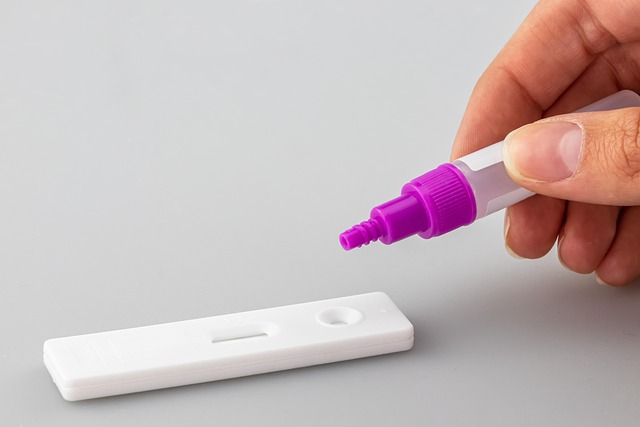
Men’s health is a multifaceted issue often overshadowed by discussions about women’s wellness. However, recognizing the unique challenges men face is essential to maintaining overall well-being. One critical aspect often overlooked is regular testing, particularly in relation to hormone levels and potential underlying health issues. Private testosterone testing naturally plays a pivotal role in this context, offering men a proactive approach to managing their health.
Testosterone, the primary sex hormone in men, is vital for various physiological functions, including muscle mass maintenance, bone density, and sexual health. However, as men age, testosterone levels naturally decline, leading to conditions like low-T or andropause, akin to menopause in women. The onset of these changes can vary widely, but early detection through private testosterone testing naturally enables timely intervention. For instance, a study published in The Journal of Clinical Endocrinology & Metabolism found that men with low testosterone levels who received replacement therapy reported improved quality of life and sexual function.
In addition to age-related declines, various factors can influence hormone levels. Conditions like diabetes, obesity, and thyroid disorders can impact testosterone production. Moreover, certain medications may have side effects affecting hormonal balance. A comprehensive approach involves not only private testosterone testing naturally but also full blood counts in Southampton to assess overall health and identify potential red flags. For instance, a low red blood cell count could indicate anemia, which is often associated with hormonal imbalances. Similarly, a dairy intolerance test Portsmouth can be valuable for men experiencing digestive issues or allergies, as these conditions may contribute to hormonal disruptions.
By integrating regular checks such as private testosterone testing naturally, full blood counts in Southampton, and dairy intolerance tests Portsmouth into their healthcare routines, men can take a proactive stance towards their well-being. Early detection of potential health issues allows for timely interventions, ensuring better management of symptoms and promoting long-term health. This holistic approach to men’s health is essential, as it not only addresses immediate concerns but also fosters overall wellness and quality of life.
Unveiling Testosterone: Its Role and Natural Testing Methods

Testosterone, often referred to as the ‘manly hormone’, plays a pivotal role in men’s overall health and well-being. It is essential for muscle mass development, bone density maintenance, and even contributes to positive mood regulation. However, with age, testosterone levels naturally decline, leading many men to seek solutions for optimal health. One often overlooked yet powerful approach is regular private testosterone testing naturally. This method allows individuals to take charge of their health by understanding and managing their hormone levels proactively.
Private testosterone testing provides a straightforward way to assess male hormone balance. Unlike traditional medical approaches that may focus on synthetic treatments, natural testing encourages a holistic view. For instance, a comprehensive health assessment in Milton Keynes could include blood tests for both testosterone and liver function markers, offering insights into overall reproductive health (liver blood test Newcastle). Similarly, men in Southampton considering fertility issues can benefit from female fertility blood tests, which may reveal hormone imbalances that impact sperm count and quality. These natural testing methods serve as a powerful tool for proactive healthcare.
The benefits of regular testing are manifold. Firstly, it enables early detection of potential hormonal imbalances, allowing for timely intervention. Secondly, it empowers men to make informed decisions about their health, especially when coupled with expert guidance. For instance, if a man in Manchester discovers low testosterone levels through private testing, he can consult an endocrinologist who might suggest lifestyle modifications, such as diet and exercise adjustments, rather than immediately resorting to medication. This personalized approach ensures that men receive the most suitable care for their unique needs.
Private Testosterone Testing: A Confident Approach
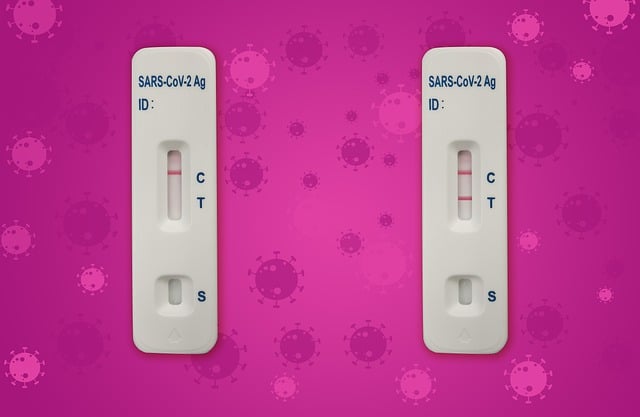
Men’s health is a vital aspect often overlooked, but addressing it proactively can lead to significant improvements in overall well-being. One critical area of focus is hormone regulation, particularly testosterone levels. Private Testosterone Testing offers men a confident and proactive approach to managing their health. This method allows individuals to take charge of their bodies by providing valuable insights into hormonal balance.
Private testing facilities, such as those found in Liverpool and Portsmouth, offer discreet and comprehensive assessments. For instance, a simple blood test can measure testosterone levels, offering a non-invasive way to monitor health. This is especially relevant as men age; declining testosterone is linked to various health issues, including reduced energy, muscle mass, and bone density. A recent study showed that over 25% of men aged 40-70 have low testosterone, underscoring the need for regular screening. Comparing these findings with a full blood count (FBC) test in Manchester can provide a holistic view of overall health, as hormone imbalances may be indicated by changes in red and white blood cell counts.
The benefits of private testosterone testing are numerous. It enables men to make informed decisions about their health, especially during the natural menopause transition. Early detection of hormonal shifts can lead to timely interventions, whether through lifestyle adjustments or medical treatments. For example, maintaining a healthy diet, regular exercise, and stress management techniques have been shown to support optimal hormone levels naturally. By combining these strategies with private testing, men can actively manage their health, ensuring they remain in peak condition as they age.
Early Detection: Symptoms to Watch for in Men

Early detection is a cornerstone of any effective men’s health strategy, especially when it comes to conditions like low testosterone levels. While the term ‘low T’ is often associated with aging, it can also affect younger men, leading to a range of physical and mental symptoms. Recognizing these signs early on is crucial for timely intervention. Men should be vigilant about their overall well-being, as some key indicators can be subtle but significant.
Common symptoms of low testosterone include fatigue, decreased muscle mass and strength, reduced energy levels, changes in sexual function or desire, and mood alterations. For instance, a study published in the Journal of Clinical Endocrinology & Metabolism found that men with low testosterone levels reported improved quality of life after receiving appropriate treatment. Additionally, private testosterone testing naturally offers a convenient and discreet way for individuals to monitor their hormone levels, providing valuable insights into their reproductive health.
Regular liver blood tests in Cambridge, menopause blood tests in Liverpool, and thyroid blood tests in Bournemouth can also play a crucial role in men’s health screening. These tests help identify underlying issues that may be contributing to hormonal imbalances. For example, liver function abnormalities could indicate potential side effects from medications or lifestyle choices, while thyroid disorders can significantly impact hormone regulation. By combining these assessments with self-awareness of physical and emotional changes, men can proactively address any concerns related to their health.
It’s advisable for men to consult healthcare professionals who can interpret test results accurately and guide them on suitable treatment options. Early intervention through private testosterone testing naturally, along with comprehensive blood panels, may prevent more serious health complications down the line. Men are encouraged to prioritize their well-being by staying informed, being proactive, and seeking expert advice when necessary.
Lifestyle Adjustments for Optimal Testosterone Levels

Maintaining optimal testosterone levels is crucial for men’s overall health and well-being. While genetic factors play a role, lifestyle adjustments can significantly impact hormone balance. Regular private testosterone testing naturally emerges as a powerful tool to monitor and manage these levels effectively. This proactive approach allows individuals to make informed decisions about their health, particularly in the context of male hormonal health.
Lifestyle changes are a cornerstone for boosting testosterone naturally. For instance, regular exercise, especially high-intensity workouts, has been shown to increase testosterone production. A study published in the Journal of Strength and Conditioning Research found that intense resistance training led to significant spikes in testosterone levels post-exercise. Furthermore, a balanced diet rich in protein, healthy fats, and specific nutrients like zinc and vitamin D is essential. Foods such as oysters, pumpkin seeds, and fatty fish are known to support healthy testosterone production. In addition, managing stress through techniques like meditation or yoga can positively influence hormone regulation, as chronic stress can suppress testosterone levels.
Complementing these practices with specific blood tests can provide valuable insights. For instance, a female hormone blood test in Portsmouth or a thyroid blood test in Leeds might reveal underlying issues that impact overall hormonal balance. A full blood count (FBC) in Cambridge, performed 1-3 times annually, can identify potential red flags, ensuring any necessary adjustments are made. By combining these strategies, men can take a proactive step towards maintaining healthy testosterone levels and enhancing their overall quality of life.
Natural Remedies and Treatments for Low Testosterone

Low testosterone levels can significantly impact a man’s overall health and well-being, leading many to seek effective solutions. While conventional treatments exist, exploring natural remedies offers an alternative approach for those looking to optimize their testosterone levels privately and safely. One of the key aspects often overlooked is understanding and addressing the underlying causes of low T.
Natural treatments for low testosterone can vary widely, from dietary adjustments to lifestyle changes and specific supplements. For instance, vitamin D blood tests (Bournemouth) have shown a notable correlation with testosterone levels; deficiencies are common, especially in regions with limited sunlight exposure, and supplementation has been linked to improved T-levels. Similarly, dairy intolerance tests (Manchester) might be relevant, as some studies suggest that reducing lactose intake can positively impact hormone regulation. These personalized approaches cater to individual needs without relying solely on synthetic interventions.
In addition to these, regular exercise plays a pivotal role in maintaining optimal testosterone levels. High-intensity workouts have been proven to stimulate hormone production. However, it’s essential to balance intensity with recovery, as excessive training without adequate rest can lead to elevated cortisol—a hormone that suppresses testosterone. Men experiencing symptoms of low T may benefit from consulting healthcare professionals who offer private testing options, such as a menopause blood test (Sheffield), to gauge their levels and guide them toward suitable interventions.
By combining these natural strategies, men can take proactive steps towards managing their testosterone health. This holistic approach encourages individuals to be more mindful of their bodies’ needs, ensuring that lifestyle choices support overall well-being rather than exacerbating potential hormone imbalances.
By understanding the significance of regular health checks, men can proactively address potential issues. The article highlights the pivotal role of testosterone in male health and offers a comprehensive guide to its evaluation. Private testosterone testing emerges as a confident step towards natural wellness, allowing individuals to take control. Key insights include recognizing early symptoms of low testosterone, adopting lifestyle changes for optimal hormone levels, and exploring natural remedies. Armed with this knowledge, readers can now make informed decisions, ensuring they stay on top of their health through effective prevention and timely intervention.