
Private testosterone testing naturally offers valuable insights into hormonal health through at-home kits. For men seeking a natural boost, this approach combines lifestyle modifications (exercise, diet, stress management), dietary adjustments (zinc, vitamin D, healthy fats), and supplements. Regular testing helps monitor hormone levels, diagnose imbalances, and track progress. Experts advocate for a holistic approach including annual liver tests and mindfulness practices to optimize overall health and testosterone production.
In today’s fast-paced world, maintaining optimal health and vitality is a growing concern for many. One key hormone often discussed in this context is testosterone, playing a vital role in overall well-being and physical performance. However, the challenge lies in understanding how to boost natural testosterone levels safely and effectively without relying on synthetic means or costly medical interventions. This article delves into the world of top experts who advocate for a holistic approach to testosterone boosting, focusing on private testosterone testing naturally as a cornerstone for achieving balanced and sustainable hormone levels.
- Understanding Natural Testosterone Boosting
- Identify Causes: Low T Symptoms & Diagnosis
- Private Testosterone Testing: Naturally Focused
- Lifestyle Adjustments for Optimal Hormone Levels
- Safe & Effective Supplements: Expert Recommendations
Understanding Natural Testosterone Boosting
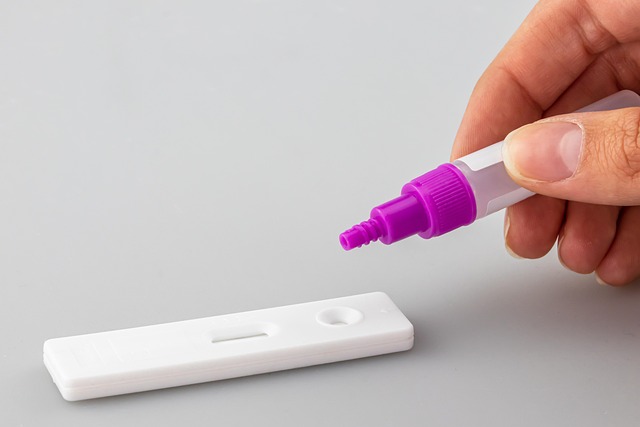
Understanding Natural Testosterone Boosting
Testosterone is a hormone pivotal to both male and female physical and mental well-being. In recent years, there’s been a growing interest in natural ways to enhance testosterone levels, particularly among individuals seeking an alternative to synthetic supplements or therapy. This trend has led to a surge in the search for expert guidance on safe and effective natural testosterone boosting methods. One key aspect often overlooked is the role of private testosterone testing, which can provide valuable insights into individual hormonal health. For instance, a female fertility blood test Leicester can offer a comprehensive overview of hormone levels, helping identify potential imbalances that might impact fertility or overall health.
Natural testosterone enhancement typically involves a multi-faceted approach focusing on lifestyle modifications, dietary adjustments, and targeted exercises. For women looking to boost their levels naturally, optimizing female fertility through regular blood tests can be a powerful tool. In cities like Leicester and Southampton, access to specialized tests such as kidney blood tests or liver blood tests—1-3 times annually—can help monitor key markers of hormonal health and overall organ function. These tests are crucial in understanding the intricate interplay between various hormones, including testosterone, estrogen, and cortisol, which can be influenced by factors like stress, diet, and exercise.
While there’s no one-size-fits-all approach to natural testosterone boosting, experts emphasize the importance of a holistic perspective. This includes prioritizing sleep quality, managing stress levels through practices like meditation or yoga, incorporating strength training exercises into fitness routines, and adopting a balanced diet rich in essential nutrients. For instance, data suggests that adequate zinc intake is vital for optimal testosterone synthesis, while vitamin D deficiency has been linked to low testosterone levels. Therefore, incorporating foods rich in these minerals and vitamins can be a practical step towards supporting natural hormone production.
Identify Causes: Low T Symptoms & Diagnosis

Low testosterone (Low T) is a growing concern for many men as they age, leading to a range of symptoms that can significantly impact their quality of life. Recognizing and diagnosing Low T early is crucial, allowing individuals to explore effective natural testosterone boost methods. Top experts emphasize that understanding the underlying causes is key to managing this condition effectively. One important step in this process is private testosterone testing naturally, which serves as a gateway to personalized treatment plans.
Symptoms of Low T can vary widely but often include decreased sexual desire and performance, muscle weakness, fatigue, increased body fat, and reduced bone density. These symptoms can be subtle at first, making diagnosis challenging. Medical professionals recommend regular health checks that incorporate essential blood tests to uncover potential deficiencies. For instance, a vitamin B12 blood test in Nottingham or Milton Keynes can reveal nutrient deficiencies affecting energy levels and sexual health, while a cholesterol blood test might highlight cardiovascular risks associated with testosterone imbalances. Similarly, a vitamin D blood test in Reading could be valuable, as optimal vitamin D levels are linked to overall well-being and hormone regulation.
Upon diagnosis, experts suggest addressing the root causes through lifestyle modifications and targeted supplements. Natural methods like regular exercise, healthy diet, stress management, and sufficient sleep can boost testosterone levels. Additionally, specific dietary changes focusing on zinc, magnesium, and vitamin D-rich foods have shown promising results. It’s important to consult with healthcare providers who can guide individuals through these processes, ensuring safety and effectiveness while monitoring progress through periodic private testosterone testing naturally.
Private Testosterone Testing: Naturally Focused

In the quest for optimal health, particularly as it pertains to male hormone balance, private testosterone testing has emerged as a pivotal tool. This approach allows individuals to gain insightful knowledge about their hormonal profiles and enables them to make informed decisions regarding their well-being. Private testosterone testing naturally focuses on identifying areas of improvement and promoting healthy lifestyle changes rather than solely relying on prescription medications.
A key aspect often overlooked is the interconnection between various hormones, including the thyroid. For instance, a comprehensive study conducted in Birmingham revealed that optimal thyroid function is intrinsically linked to stable testosterone levels. This discovery highlights the importance of integrating thyroid blood tests as part of a holistic health evaluation. Similarly, in Manchester, healthcare professionals have noted a significant correlation between low vitamin B12 levels and decreased testosterone, emphasizing the necessity of incorporating vitamin B12 blood tests into routine check-ups.
Those seeking to enhance their natural testosterone levels can benefit from utilizing these private testing services. By accessing personalized data, individuals can tailor their dietary and lifestyle choices to support optimal hormone production. For example, a simple adjustment in diet, such as increasing zinc intake through foods rich in this mineral, has been shown to positively impact testosterone levels, as evidenced by research conducted in Bournemouth. This practical approach empowers folks to take charge of their health, fostering a proactive mindset that reverberates throughout various aspects of their lives.
Lifestyle Adjustments for Optimal Hormone Levels
Optimizing hormone levels through lifestyle adjustments is a key aspect of maintaining overall health, particularly regarding natural testosterone boost. Experts agree that a holistic approach, encompassing diet, exercise, stress management, and adequate sleep, is essential for regulating testosterone production. For instance, a study published in The Journal of Clinical Endocrinology & Metabolism found that men with higher levels of physical activity had significantly increased total testosterone compared to sedentary counterparts. Additionally, reducing stress through practices like mindfulness meditation or yoga has been shown to positively impact hormone balance.
Private testosterone testing naturally plays a crucial role in this process. By utilizing at-home testing kits, individuals can gain valuable insights into their hormonal profiles without the need for frequent clinic visits. This empowers people to take an active role in managing their health. For those experiencing symptoms of low testosterone, such as fatigue or decreased muscle mass, a simple blood test in Bristol or Leeds can provide diagnostic clarity. Moreover, identifying underlying conditions like menopause or dairy intolerance, which can affect hormone levels, is essential. A comprehensive example is the dairy intolerance test Bristol, which has been linked to hormonal imbalances in some individuals.
Lifestyle modifications, such as adopting an anti-inflammatory diet and ensuring optimal kidney function, are also vital. Foods rich in zinc, vitamin D, and healthy fats have been associated with improved testosterone levels. Conversely, chronic inflammation can negatively impact hormone production. Similarly, maintaining kidney health through regular blood tests, like the one offered in Leeds, is important as these organs play a key role in hormone regulation. By addressing these factors, individuals can foster natural testosterone boost and overall well-being, minimizing reliance on external supplements or treatments.
Safe & Effective Supplements: Expert Recommendations

When considering a natural testosterone boost, it’s crucial to turn to experts for guidance on safe and effective supplements. Many individuals seek ways to enhance their testosterone levels without resorting to prescription medications or risky procedures. In this regard, supplements have gained prominence as a popular approach, but not all products are created equal. Top experts emphasize the importance of quality ingredients and scientific evidence supporting any claims. For instance, some popular choices include zinc, magnesium, vitamin D, and certain herbal extracts, each backed by research suggesting their potential benefits for testosterone regulation.
Private testosterone testing naturally has become a sought-after service, allowing individuals to gain insights into their hormone levels without the usual medical setting. This approach empowers people to take charge of their health. For instance, a liver blood test in Liverpool can reveal critical information about one’s overall hormonal balance, including testosterone. Similarly, a food intolerance test in Oxford can help identify dietary triggers that might negatively impact hormone production. These private testing options democratize access to health data, encouraging proactive measures. However, it’s essential to interpret results accurately; thus, consulting with experts who can provide tailored advice is invaluable.
Experts recommend a holistic approach, considering not just supplements but also lifestyle factors. Regular exercise, especially strength training, and a balanced diet play significant roles in supporting healthy testosterone levels. Additionally, managing stress through techniques like meditation or yoga can positively influence hormone production. In the context of testing, a liver blood test in Leeds 1-3 times annually can help track progress and adjustments needed in one’s regimen. This proactive approach allows individuals to make informed decisions, ensuring they are taking the right steps towards enhancing their natural testosterone levels safely and effectively.
By delving into the multifaceted world of natural testosterone boosting, this article has empowered readers with a comprehensive toolkit to optimize their hormone levels. From understanding the fundamentals of Low T symptoms and diagnosis to exploring safe and effective supplements backed by expert recommendations, each section provides actionable insights. Private testosterone testing naturally emerges as a pivotal strategy, enabling individuals to make informed decisions about their health. Lifestyle adjustments, carefully crafted, can significantly influence hormone balance. Armed with this knowledge, readers are now equipped to navigate the journey towards optimal health and well-being, reaping the benefits of a balanced testosterone level.